



Antique Bamboo Frame Mirror
An antique bamboo frame mirror brings warmth and texture to a room, offering natural charm through organic stems and turned shapes.
Antique Bamboo Frame Mirror
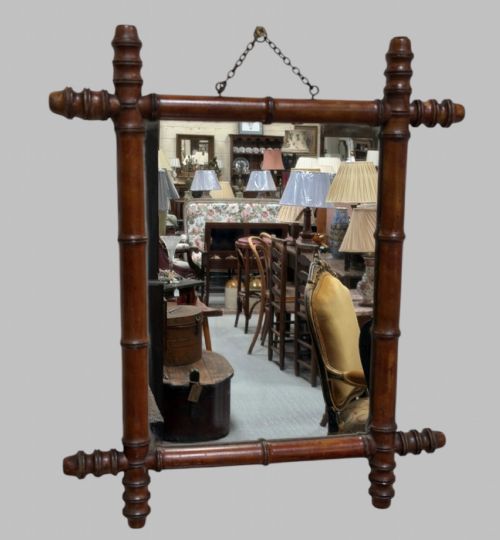
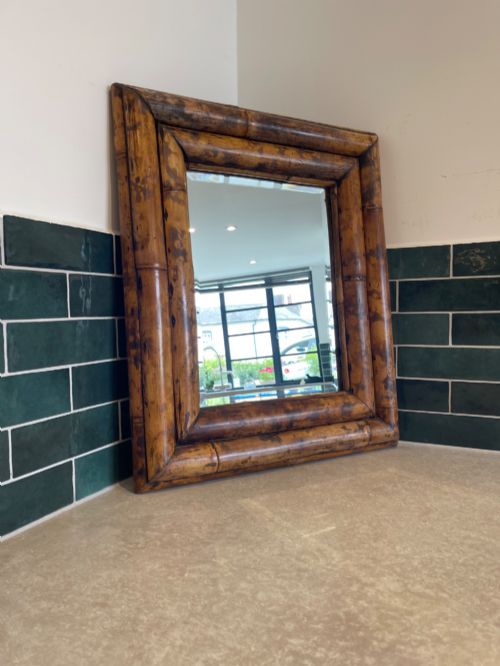
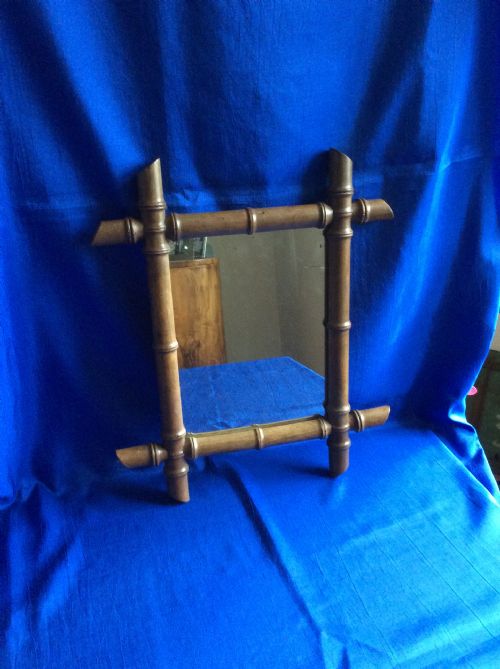
When you search for an antique bamboo frame mirror, you encounter wall mirrors shaped by natural bamboo or carved wood mimicking plant stems. These decorative pieces emerge from the nineteenth century into the early twentieth century, spanning Victorian and Edwardian periods.
Beyond simple hanging plates, forms extend to large hall mirrors and pieces incorporating display shelves or whatnot structures. They serve practical and decorative functions in hallways, sitting rooms, and bedrooms alike.
Materials and construction
Construction relies upon natural bamboo canes or hardwoods such as beech and timber shaped into simulated bamboo joints. Carved wood and gesso provide the foundation for silvered or gilt finishes on faux pieces, creating the illusion of real plant stems.
Mirror glass sits securely within frames constructed from these organic or carved materials, sometimes accompanied by metal fixings and internal wooden panels. Glass plates range from plain rectangular formats to bevelled edges set within deep surrounds.
Materials documented across the inventory include glass, mirror glass, metal, beech, timber, carved wood, and natural bamboo.
Distinctions in craftsmanship
Quality rests upon the crispness of the carving on faux pieces and the structural integrity of the natural cane frames. Superior examples show careful attention to joint details, faithful replication of bamboo nodes, and well-preserved silvering on the glass.
Proportion and scale dictate the visual weight of the object, with larger formats and complex additions like display shelves demanding finer joinery. The depth of the finish, whether gilt, silvered, or natural, determines the visual presence on the wall.
The Antique Bamboo Frame Mirror Glossary
- Faux bamboo
- Carved wood or timber shaped to imitate natural bamboo stems. Artisans utilise beech and other timbers to replicate the characteristic rings and joints of real cane.
- Gesso
- A plaster-like material applied to wooden frames before gilding or silvering. It provides a smooth base that takes fine carved details effectively.
- Aesthetic Movement
- A late nineteenth-century design style emphasising visual beauty over narrative content. It heavily influenced the popularity of bamboo furniture and wall furnishings.
- Chinoiserie
- European artistic styles reflecting Chinese motifs and techniques. This aesthetic frequently pairs with bamboo frames to create exotic wall mirrors.
- Whatnot
- A set of open shelves attached to furniture or wall frames. In this context, it provides small display surfaces integrated directly beneath or beside the mirror glass.
Antique Bamboo Frame Mirror: Frequently Asked Questions
Where should I hang a bamboo mirror?
These wall mirrors suit hallways, living spaces, and bedrooms where natural textures soften heavier furniture. They work particularly well above console tables or mantelpieces.
Ensure the wall fixings match the weight of the timber, beech, or glass construction, especially for larger French or Italian examples.
What is the difference between real and faux bamboo?
Natural bamboo frames utilise actual hollow cane stalks assembled to hold the glass plate. These tend to feel lightweight and display organic irregularities.
Faux bamboo pieces consist of solid woods like beech or timber carved by hand to mimic cane joints, offering greater weight and sturdiness.
How do I date a bamboo mirror?
Dating relies on stylistic clues, construction methods, and materials recorded across the Victorian, Edwardian, and Art Deco periods. French provincial and Aesthetic Movement markers point towards the late nineteenth century.
Examine the backboards, fixings, and glass bevelling to corroborate the era of manufacture alongside the frame's specific design traits.
Are these mirrors suitable for bathrooms?
High humidity rooms can damage nineteenth-century gesso, silvered mirror plates, and natural wood frames. These items prefer stable indoor environments.
Keep them in dry spaces like halls or reception rooms to preserve the original timber, metal components, and delicate gilt finishes.