


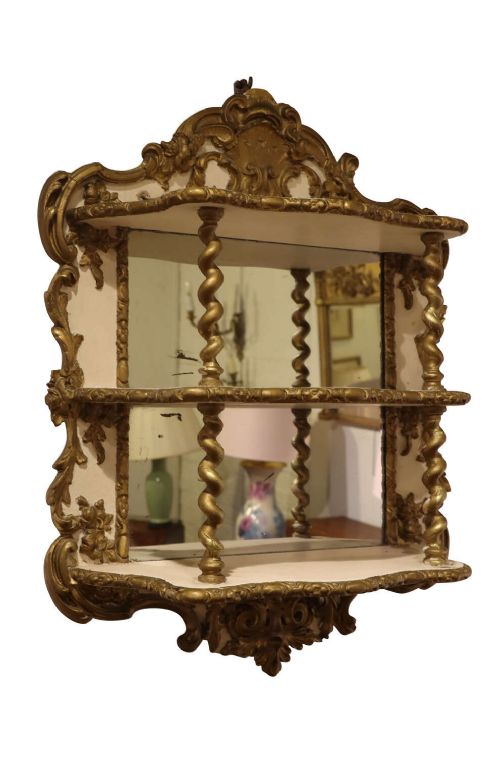
Vintage Wall Hanging Mirror
A vintage wall hanging mirror brings depth and light to a room, drawing the eye with period frames of carved wood, gesso, and gilt.
Vintage Wall Hanging Mirror
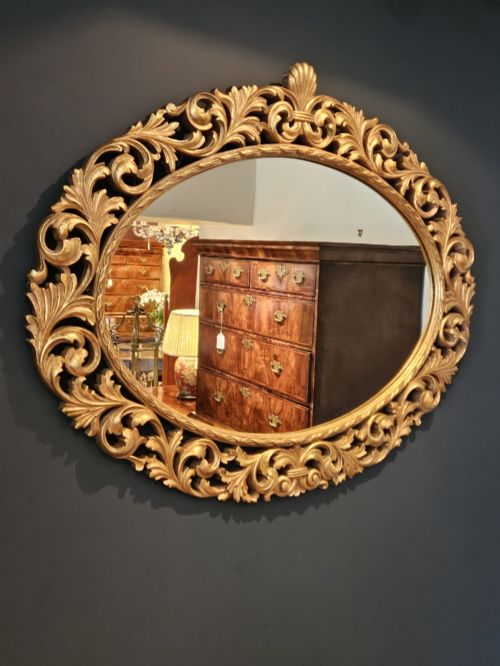
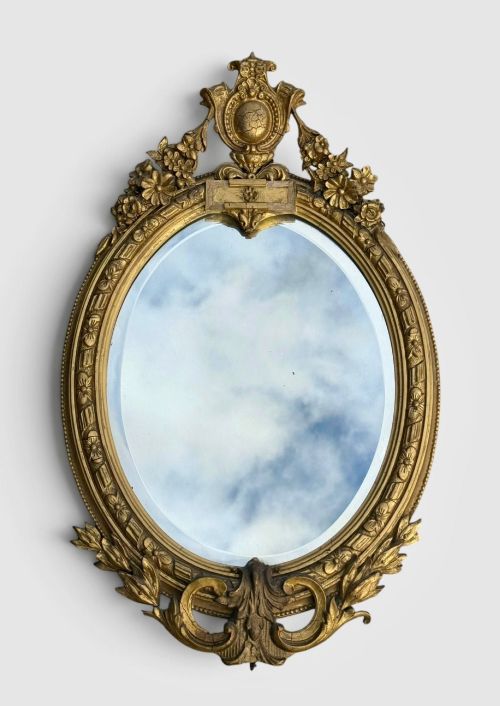
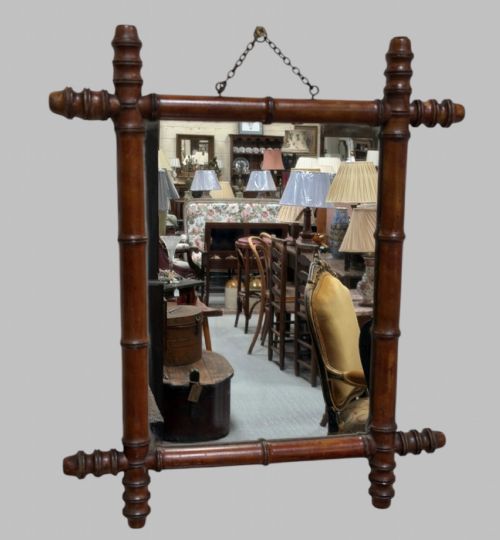
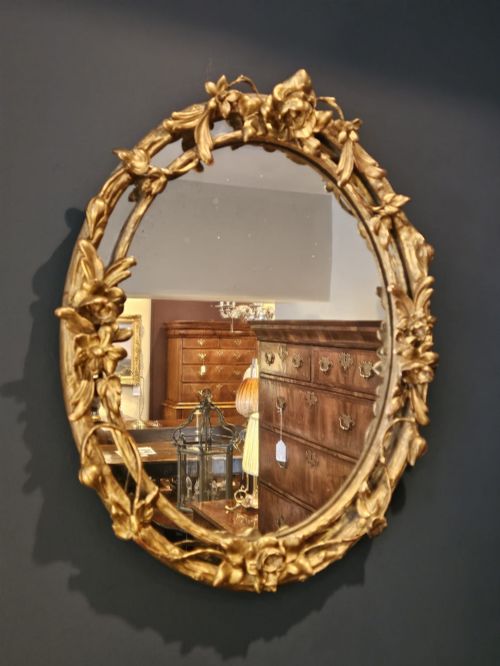
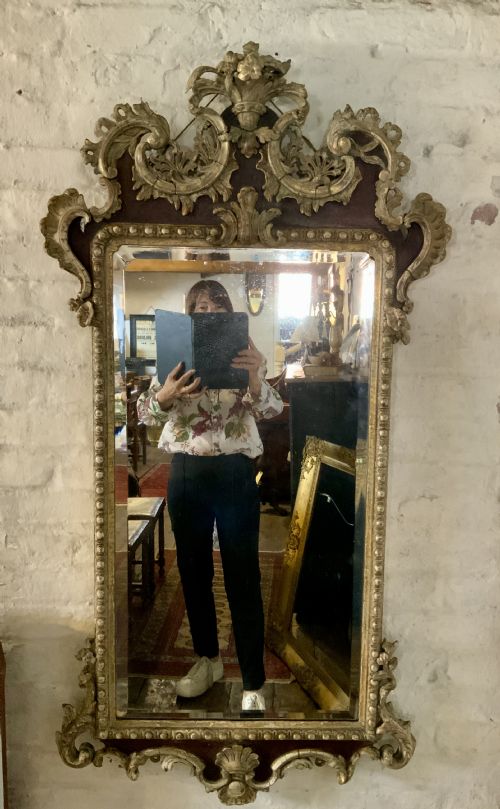
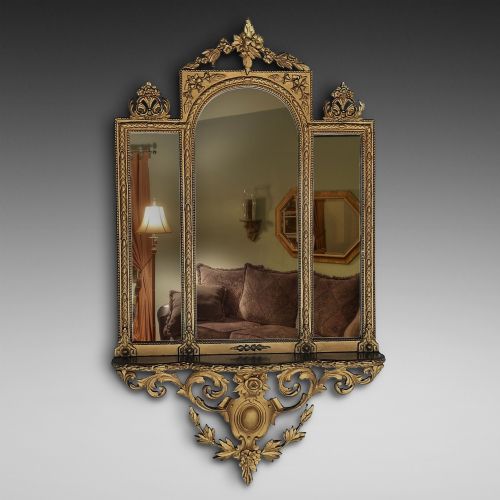
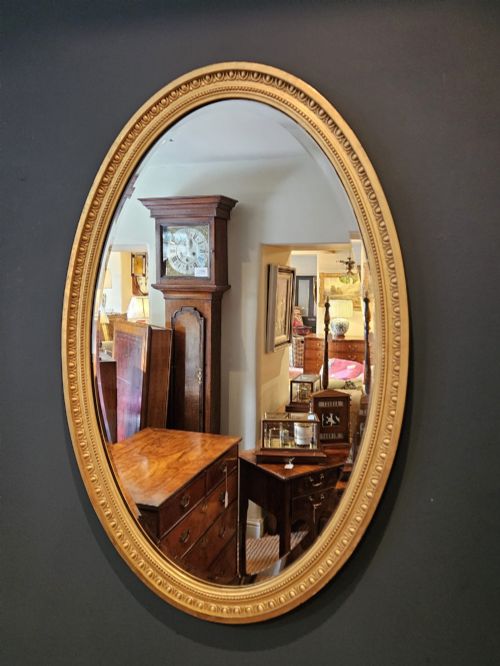
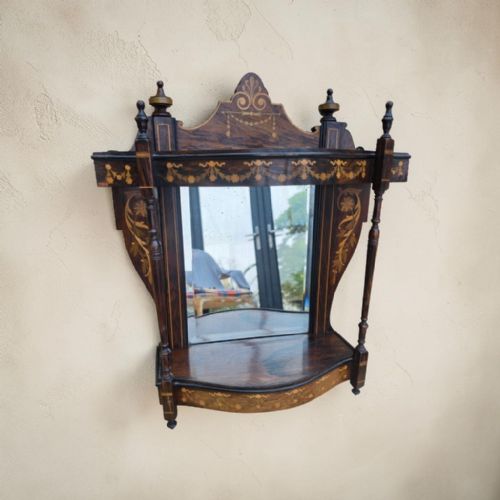
A vintage wall hanging mirror spans centuries of domestic design, running from eighteenth-century walnut and parcel gilt pieces through Victorian gesso work to early twentieth-century oak and mahogany frames. These pieces take various shapes, including grand overmantles, simple rectangular forms, carved ovals, and decorative wall éTAGèRES with built-in shelves.
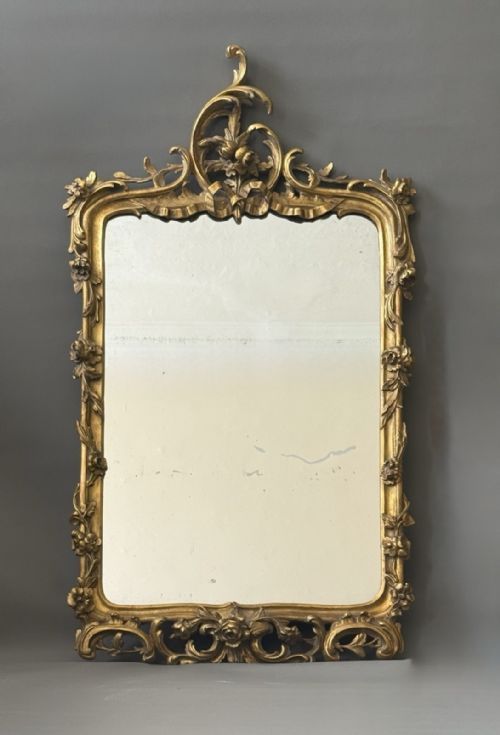
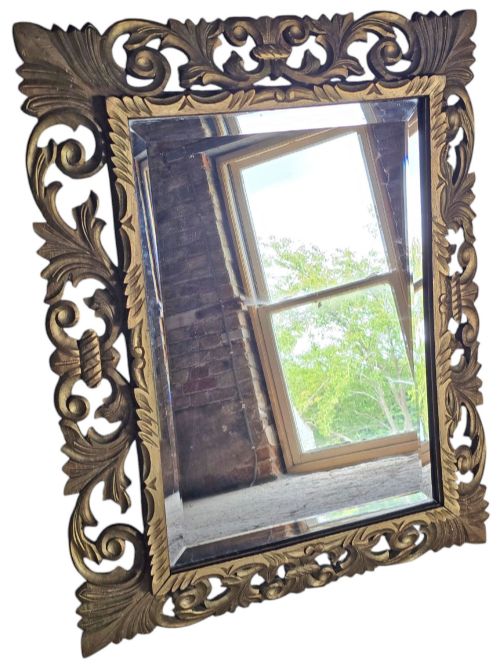
The selection ranges across several distinct stylistic traditions, notably French Rococo Revival, Italian Florentine carving, and Edwardian fretwork. Buyers encounter everything from restrained timber framing to ornate giltwood with floral motifs and scrollwork.
Materials and construction
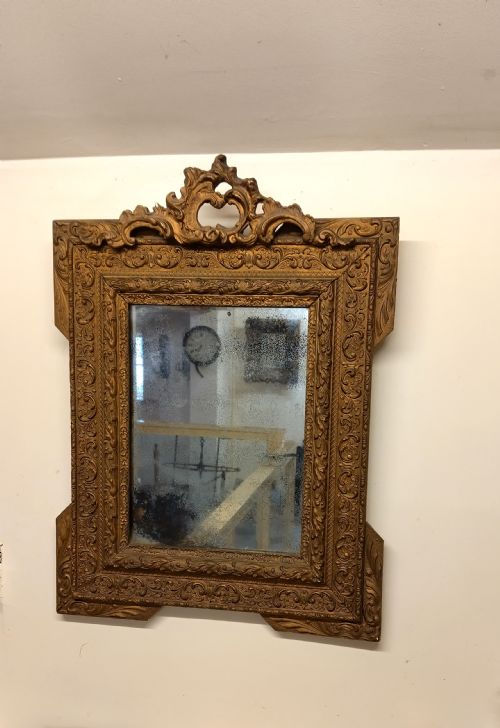
Makers constructed these frames using solid timbers such as oak, mahogany, and walnut, often applying layers of gesso to build up intricate relief decoration before gilding with gold leaf or painting. Carved giltwood and pressed brass also appear frequently among the pieces, utilising traditional joinery and panel construction suited to hanging.
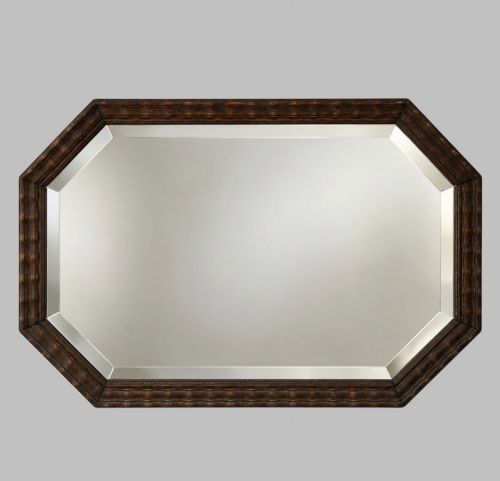
Mirror plates vary from antique glass showing natural Foxing and age spots to bevelled or newly replaced plates that provide a clearer reflection while retaining the historic frame.
Several mirrors include unexpected ledges and small shelves, presumably designed for leaving calling cards or holding miniature trinkets near the door.
Craftsmanship and preservation
Quality rests in the crispness of the carving and the depth of the gesso relief work, where skilled hands achieved fluid scrolls and naturalistic flower details rather than flat or muddy moulding. The choice of timber grain and the integrity of the original gilding distinguish finer examples from standard decorative pieces.
The preservation of the original mirror plate alongside the untouched surface of the frame dictates the character of the piece, marking the distinction between a well-maintained survivor and a heavily restored item.
Waring and Gillow
The Vintage Wall Hanging Mirror Glossary
- Gesso
- A plaster-like mixture applied to wood frames and carved or moulded into decorative relief before gilding. It forms the crisp scrollwork and floral details seen on Victorian and French mirrors.
- Overmantle
- A large mirror designed to hang specifically above a fireplace mantelpiece. These pieces often feature wide proportions to match the width of the hearth below.
- Giltwood
- Wood that has been coated with a thin layer of gold leaf. It catches the light differently than modern metallic paint.
- Parcel Gilt
- Wood framing that is partially gilded, leaving sections of the natural timber grain exposed, such as walnut or mahogany. This technique highlights the contrast between the dark wood and the bright gold leaf.
- Foxing
- Small dark spots and age-related discolouration that develop within the silver backing of old mirror glass. It serves as a natural indicator of antique plate age.
Vintage Wall Hanging Mirror: Frequently Asked Questions
How do I hang a heavy antique mirror safely?
Heavy frames require sturdy fixings screwed directly into wall studs or secured with heavy-duty picture hooks rated for the weight of timber and glass.
Using a professional mirror plate bracket system distributes the load evenly across the top and bottom rails of the frame.
Can I replace the mirror glass if it is damaged?
A glazier can fit a new mirror plate into an antique frame while preserving the original backing and rebate construction.
Many collectors prefer to keep original foxed glass for authenticity, even if the reflection is slightly diminished.
How do I clean a giltwood frame?
Dust giltwood surfaces gently with a soft, dry brush to remove particles without disturbing delicate gesso or gold leaf.
Avoid liquid cleaners, water, and chemical sprays, as moisture strips the historic finish from the wood.
What is the difference between an overmantle and a wall mirror?
Overmantles are proportioned specifically to sit horizontally above fireplaces, often featuring wider dimensions and landscape orientations.
Standard wall mirrors are built for general room placement in hallways, bedrooms, and reception spaces in various vertical and oval shapes.