

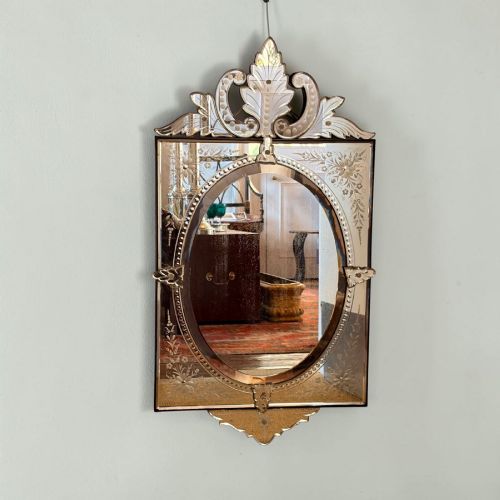
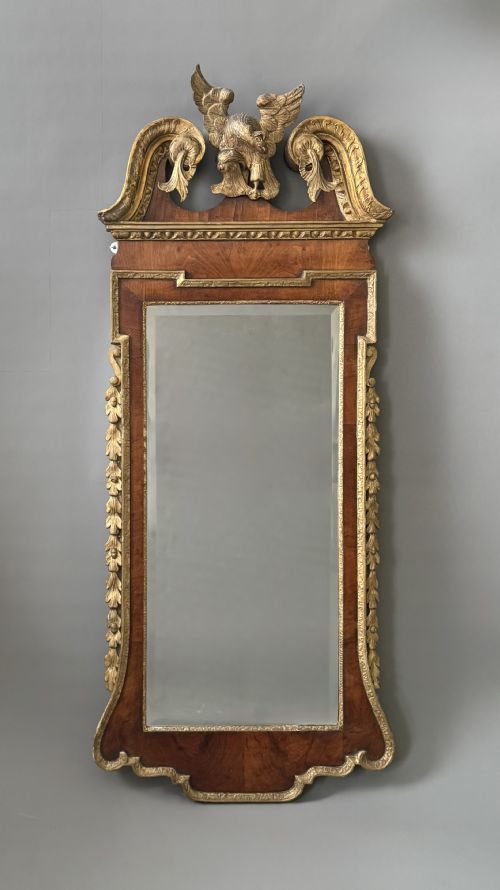
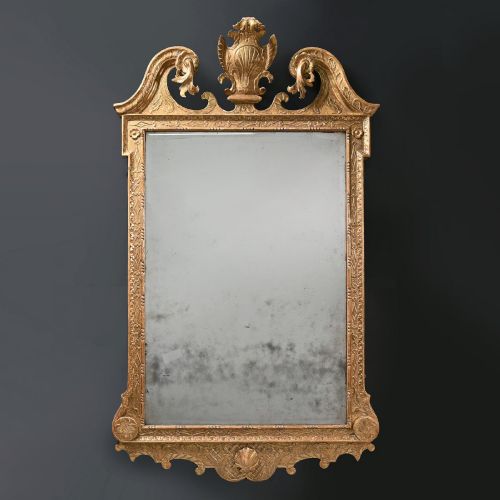
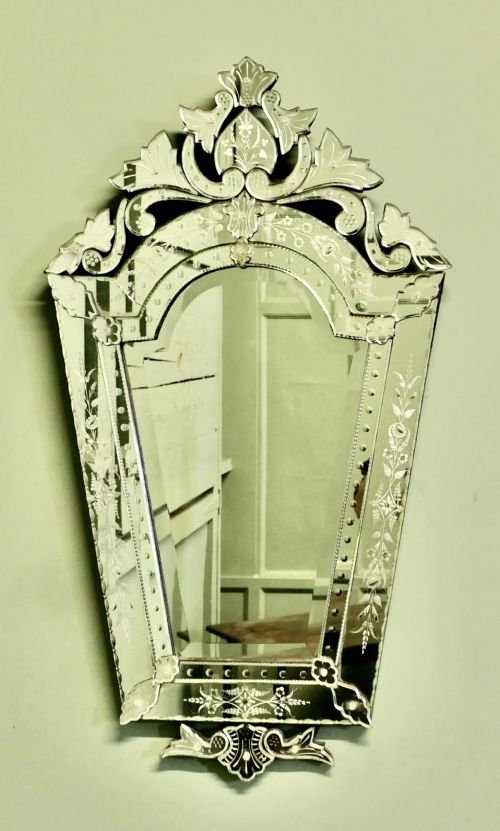

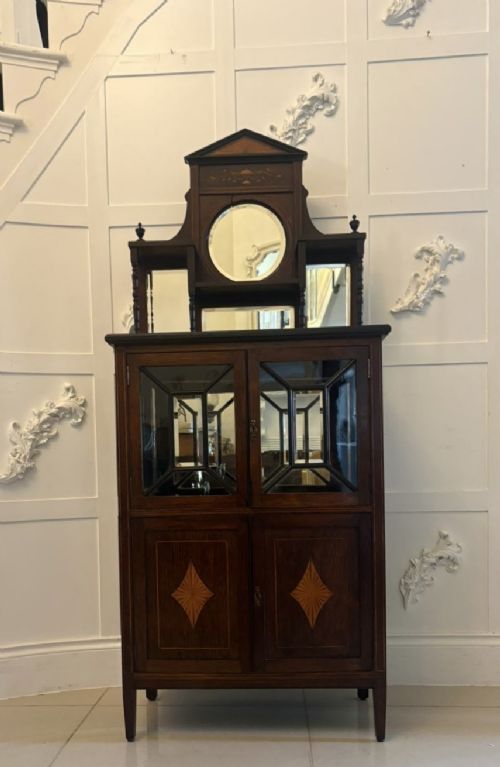


Antique Glass Pediment Mirror
An antique glass pediment mirror brings architectural presence to a room, offering reflective depth framed by period craftsmanship.
Antique Glass Pediment Mirror
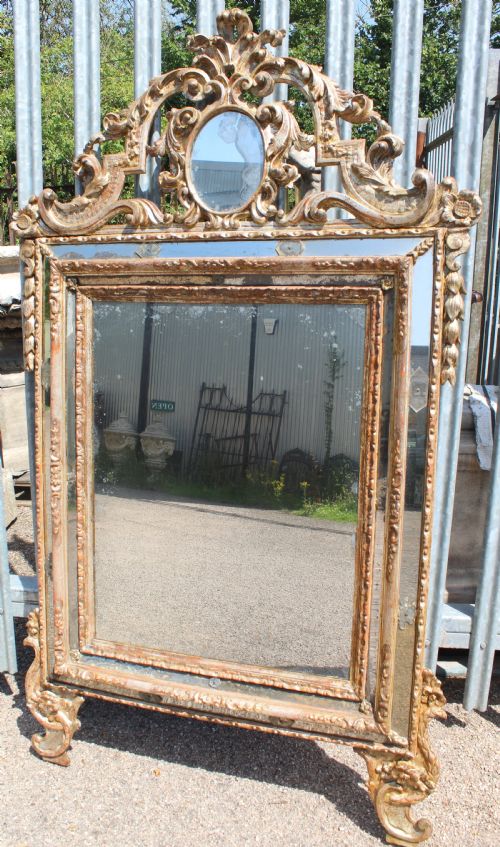
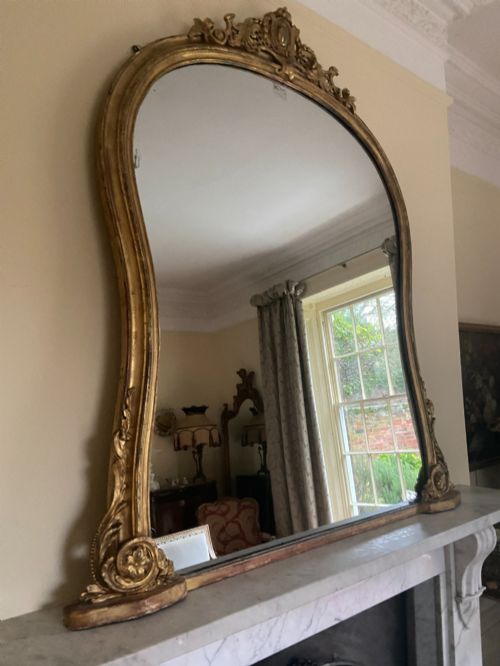
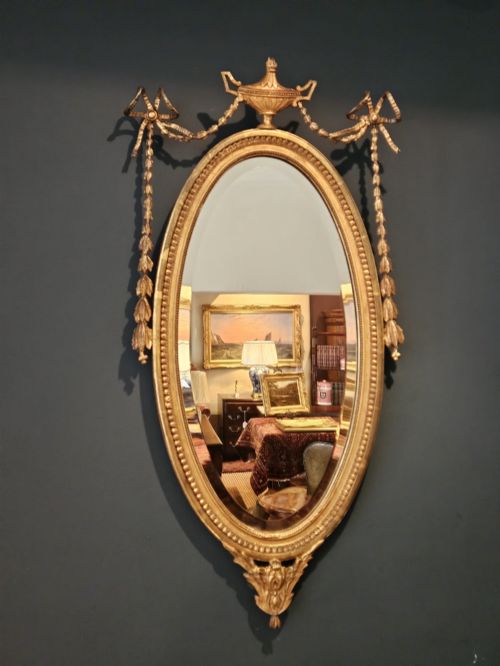
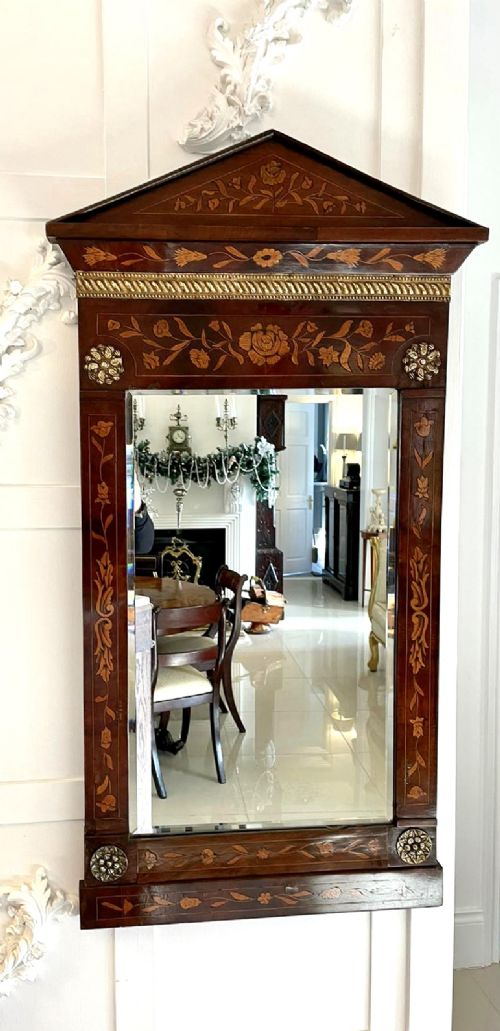
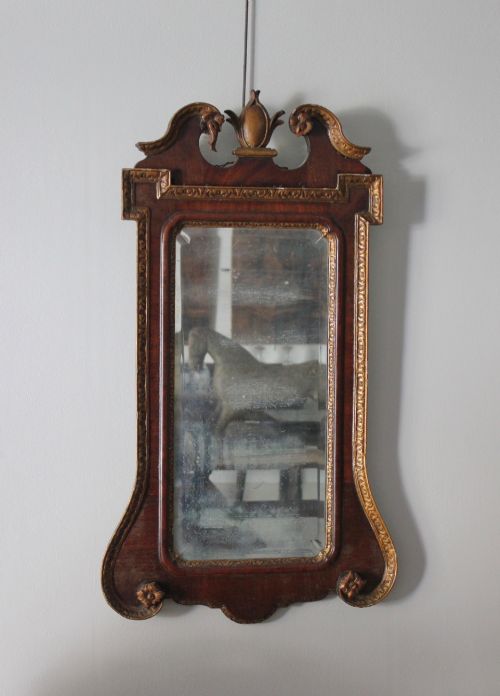
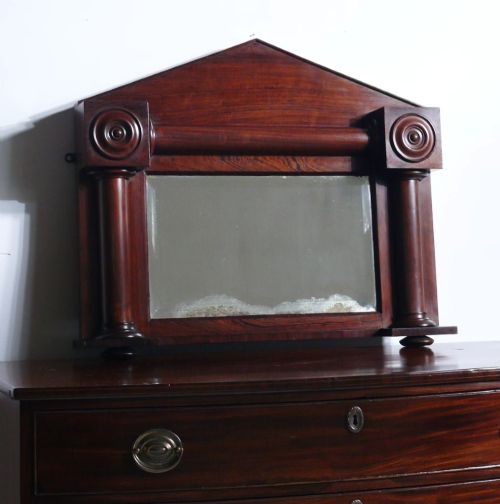
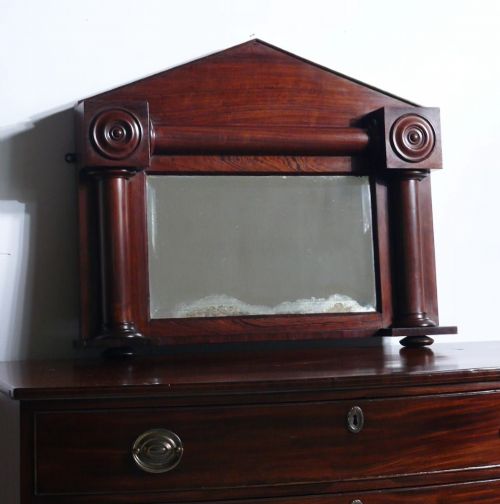
When searching for an antique glass pediment mirror, buyers encounter wall-hanging and overmantle formats originating from the eighteenth and nineteenth centuries. These pieces incorporate architectural crests above the main glass plate, drawing on Georgian, Victorian and Edwardian design traditions.
How they were made
Frames rely on cabinet timbers such as mahogany, walnut and satinwood, frequently shaped with carved gesso and finished in parcel gilt. Master makers constructed these carcasses to support heavy glass plates within architectural outlines.
Pediments incorporate carved wooden details, urn motifs and cut glass elements fixed above the primary frame. Surface decoration combines hand-carving with marquetry inlay and gilding techniques typical of Georgian and Victorian workshops.
Antique Glass Pediment Mirror Retail Price Guide 2026
Typical asking prices for glass pediment mirror among the pieces listed under this phrase on Sellingantiques today, from the lower quarter to the upper quarter. They describe what is for sale here now, not the wider market.
The listings span from 18th-century Georgian designs to 19th-century Victorian and Edwardian interpretations, utilising giltwood, mahogany, walnut and gesso.
What varies in quality
The distinction between tiers rests upon the crispness of the carved ornament on the pediment and the depth of the gilding. Superior examples display finely proportioned mouldings and original mirror plates that show authentic age without losing their reflective capacity.
Construction methods also separate standard production from master craftsmanship, visible in the precision of the timber joints and the integration of the architectural crest. The harmony between the pediment scale and the main glass frame dictates the visual balance of the piece.
The Antique Glass Pediment Mirror Glossary
- Pediment
- The architectural crowning feature placed above the main mirror frame, often taking triangular, arched or urn-topped forms. It draws inspiration from classical building facades.
- Giltwood
- Timber coated with a thin layer of gold leaf over a prepared gesso ground. This finish provides a luminous surface characteristic of formal period mirrors.
- Pier glass
- A tall mirror specifically designed to hang on the wall space between windows. These pieces often match console tables or architectural piers in formal rooms.
- Parcel gilt
- A decorative treatment where selected portions of a wood frame are gilded while the underlying timber grain remains visible. It highlights specific carved details.
- Gesso
- A plaster-like mixture applied to wood frames and carved into intricate relief ornament before gilding. It allows for sharp sculptural detail on period pediments.
Antique Glass Pediment Mirror: Frequently Asked Questions
How do I hang a heavy overmantle mirror safely?
Heavy overmantle mirrors require secure fixing directly into wall studs or masonry using appropriate weight-bearing brackets. Professional installation ensures the substantial frame and glass are properly supported.
Distributing the weight evenly prevents strain on the original timber joints and protects the structural integrity of the antique frame.
Where should I place a pier mirror?
Pier mirrors work best in narrower wall spaces, traditionally hung between windows or above hallways tables. Their vertical proportions draw the eye upward and amplify natural light in smaller rooms.
Positioning them opposite a window maximises the reflection of daylight across the interior space.
How do I clean antique mirror glass?
Clean antique glass gently using a soft, lint-free cloth and a mild, ammonia-free cleaning solution applied to the cloth rather than directly to the plate. This prevents moisture from seeping behind the silvering.
Avoid abrasive materials that can scratch the aged surface or damage the delicate edges where the glass meets the frame.
Are these mirrors fitted with original glass?
Many period pieces retain their original glass plates, which often display subtle imperfections, minor foxing and soft reflections characteristic of historic manufacturing methods. These traits confirm the age and authenticity of the piece.
Replacements do occur over centuries of use, so examining the silvering and how the plate is secured helps determine its history.