
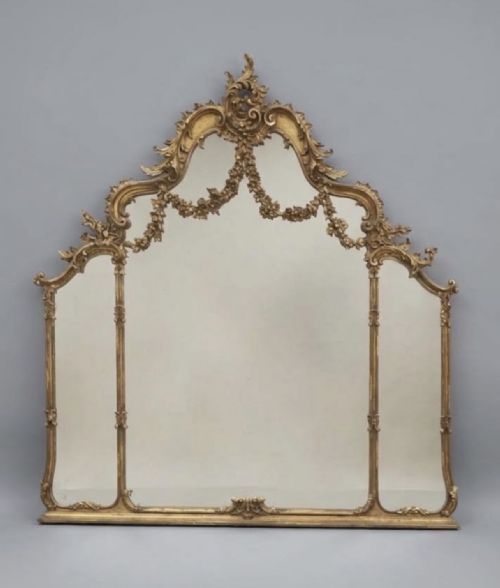
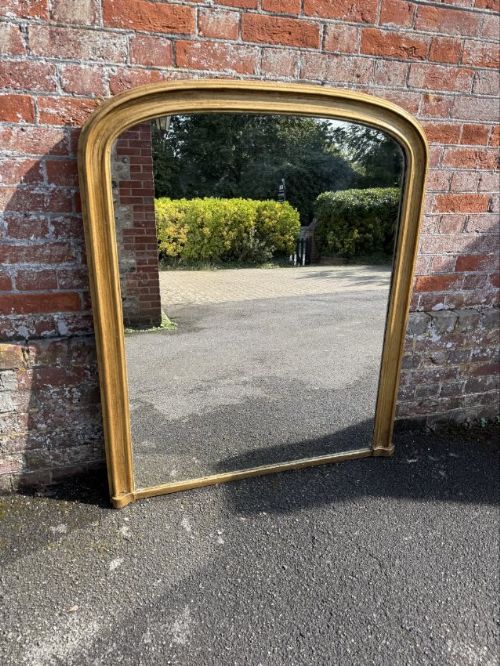
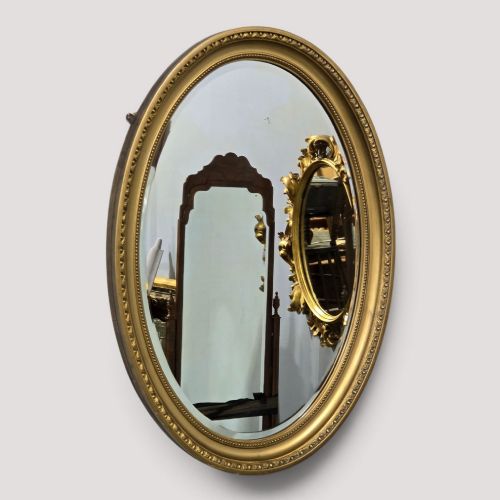
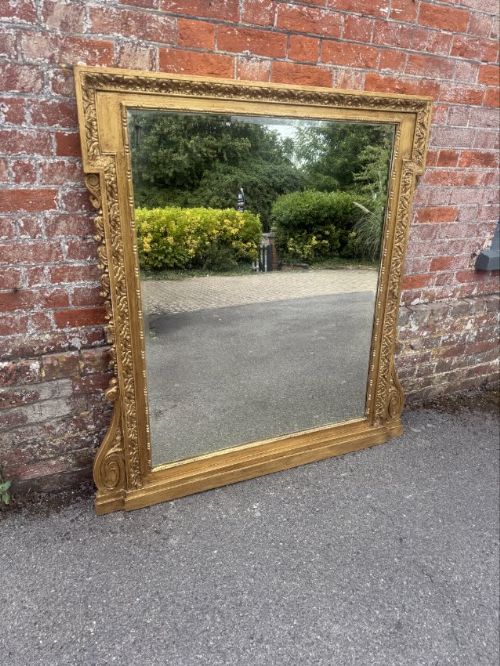


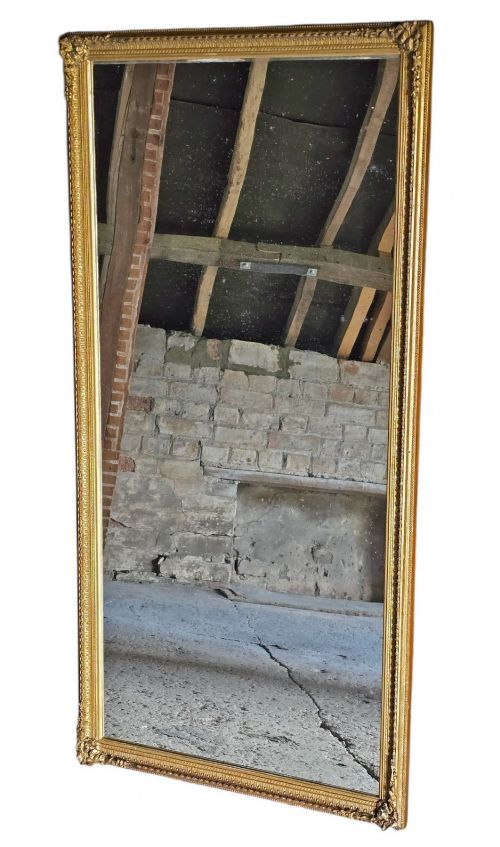
Edwardian Gilded Mirror
An edwardian gilded mirror brings reflective light and classical proportions to a room, drawing on revival styles from Adam to Regency.
Edwardian Gilded Mirror
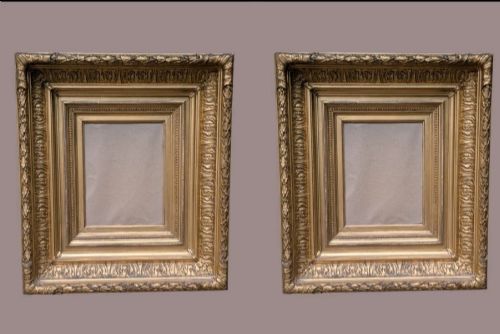
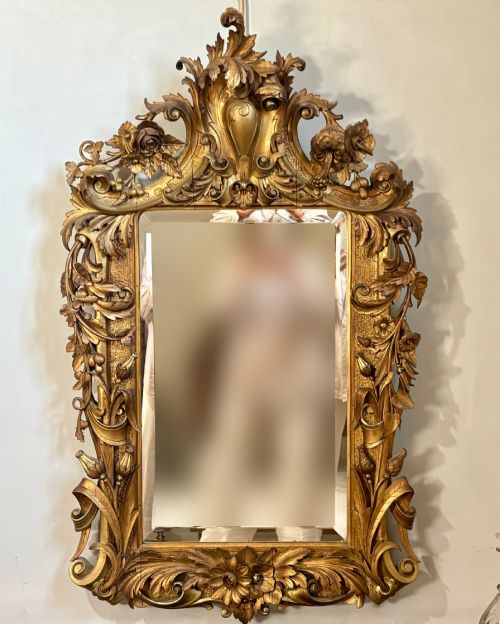
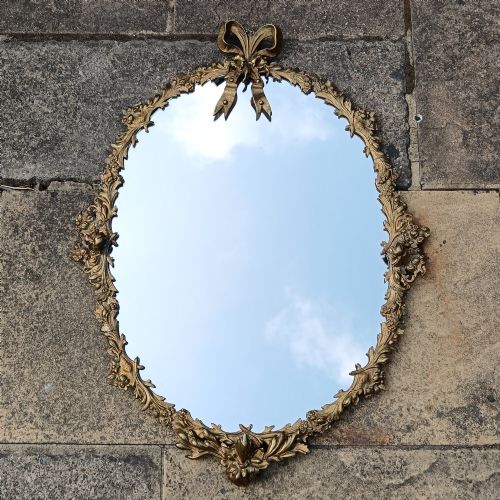
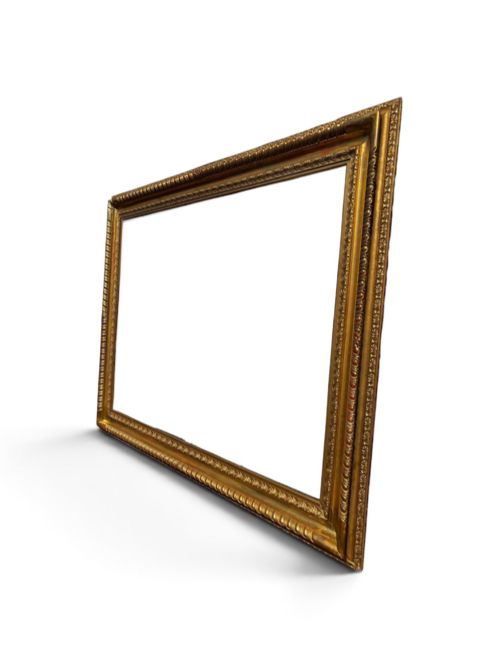
When you search for an edwardian gilded mirror, you encounter wall-mounted pieces, overmantles, and dressing mirrors spanning the late nineteenth and early twentieth centuries. The selection ranges from compact round frames and pier mirrors to large overmantle mirrors designed to sit above a fireplace.
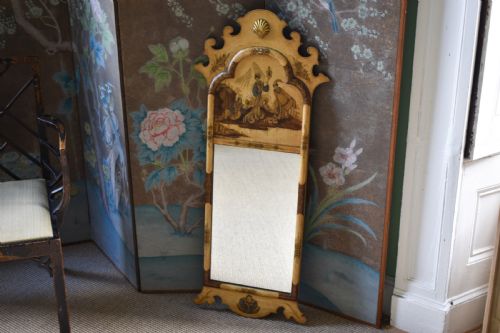
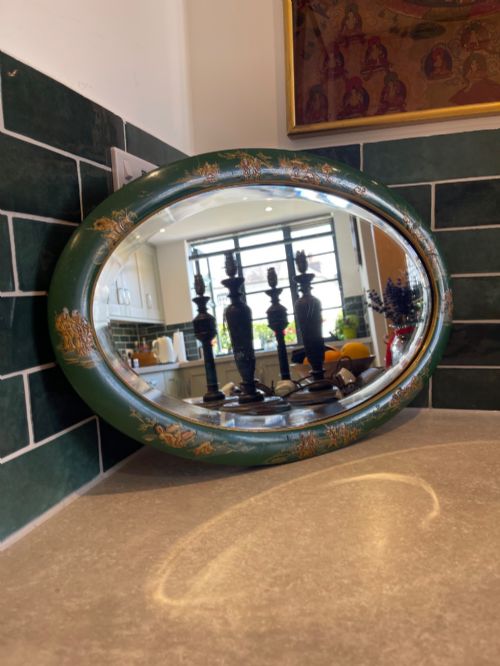
You meet pieces influenced by historic design movements, including Adam Revival, Regency Revival, and Chinoiserie decoration. These items utilise wood bases finished with gilt surfaces to create decorative focal points within domestic spaces.
How they were made
Carved wooden frames form the structural foundation, built from timbers such as mahogany, walnut, or pine. Craftsmen applied layers of gesso to smooth the wooden substrate before adding gold leaf or composition ornamentation.
Surfaces received water gilding or oil gilding to achieve metallic brilliance, frequently paired with mirrored glass secured within the rebate. Decorative mouldings and applied reliefs completed the aesthetic vocabulary of the period.
Object forms span wall mirrors, overmantles, console tables, and pier glasses.
What varies in quality
The precision of hand-carved wooden details and the depth of the gesso relief distinguish finer examples from simpler production. Superior pieces display crisp definition in revival motifs like husks, paterae, and classical urns.
The integrity of the gilding and the clarity of the mirror glass dictate visual success. Original mercury glass or period replacement plates retain characteristic patination that enhances the character of the object.
The Edwardian Gilded Mirror Glossary
- Gesso
- A plaster-like mixture applied to wood frames to create a smooth surface for gilding. It allows for intricate relief moulding.
- Giltwood
- Timber that has been coated with gold leaf or metallic powder. It provides a durable and reflective exterior.
- Overmantle
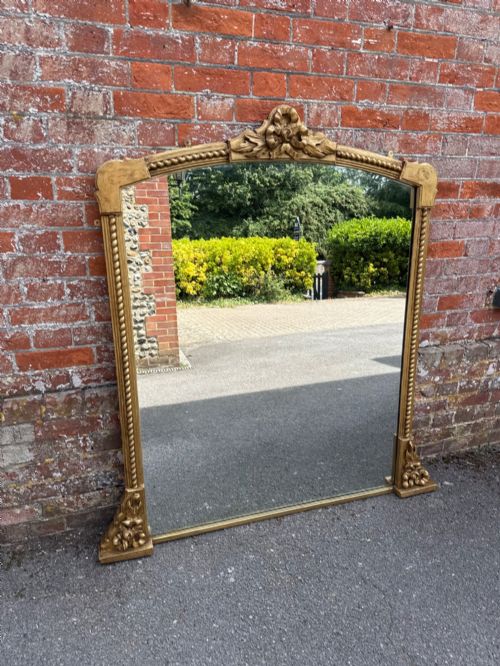
- A large mirror specifically proportioned to hang above a mantelpiece. These pieces frequently feature arched or shaped tops.
- Pier Mirror
- A tall, narrow mirror designed to hang on the wall space between windows. They often coordinate with console tables placed below them.
- Composition
- A moulded material made from whiting, glue, and resin pressed into decorative shapes. It was utilised as a cost-effective alternative to hand-carved wood.
Edwardian Gilded Mirror: Frequently Asked Questions
Where should an overmantle mirror be placed?
These mirrors traditionally anchor the wall space directly above a fireplace hearth, reflecting light across the room. They also function effectively on principal walls in dining rooms and entrance halls.
Ensure the wall construction supports the substantial weight of carved wood and glass frames. Secure them using appropriate fixings suited to the specific wall type.
How do I clean a gilded frame?
Dust the surface gently with a soft, dry brush to prevent accumulation in carved crevices. Avoid liquid cleaners and chemical solvents that damage historic gilding.
Water and harsh cloths strip delicate gold leaf and composition ornament from the wooden substrate. Maintain the finish through careful dry maintenance alone.
What defines Adam Revival style?
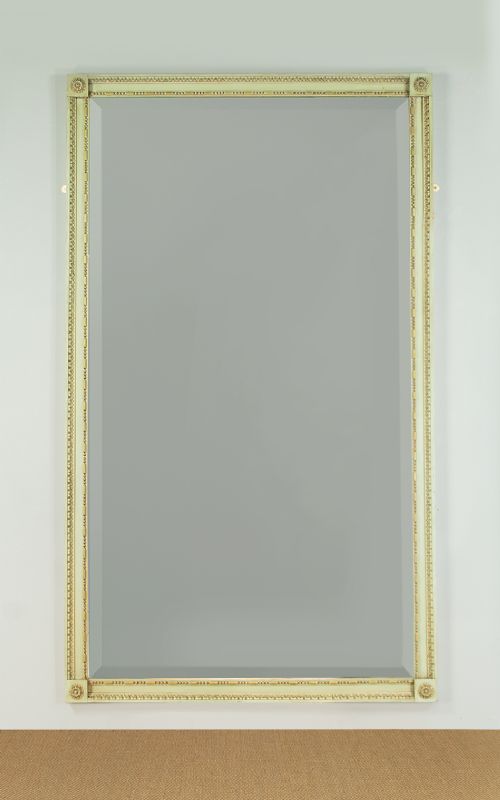
Adam Revival mirrors draw inspiration from eighteenth-century neoclassical design championed by the Adam brothers. They feature symmetrical motifs such as urns, swags, ribbons, and beaded borders.
Proportions remain balanced and restrained, prioritising geometric elegance over heavy ornamentation. This style suits both period interiors and contemporary architectural settings.