
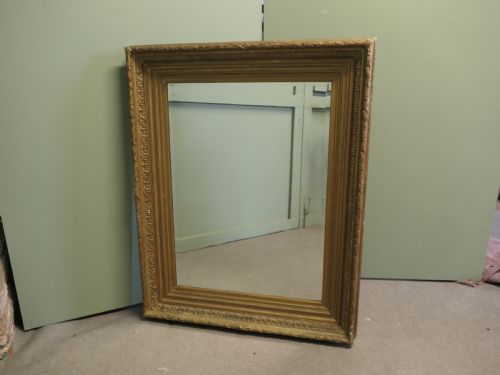
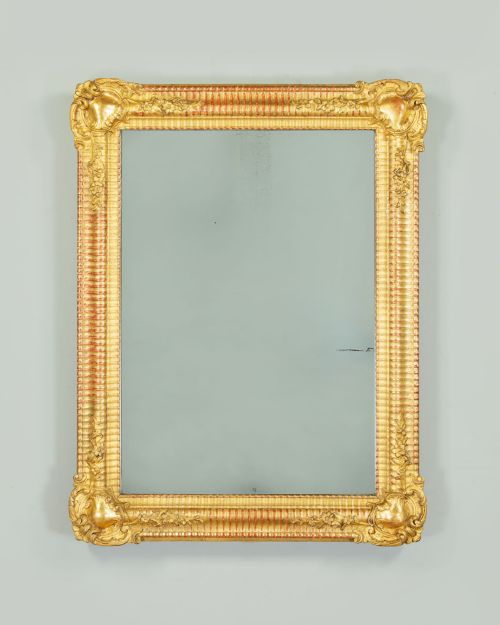
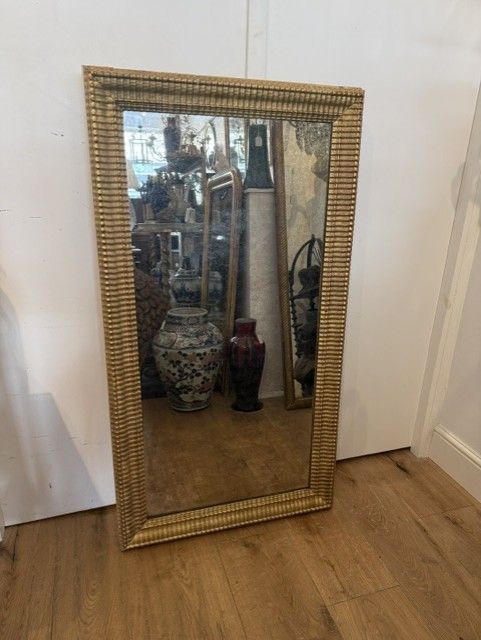
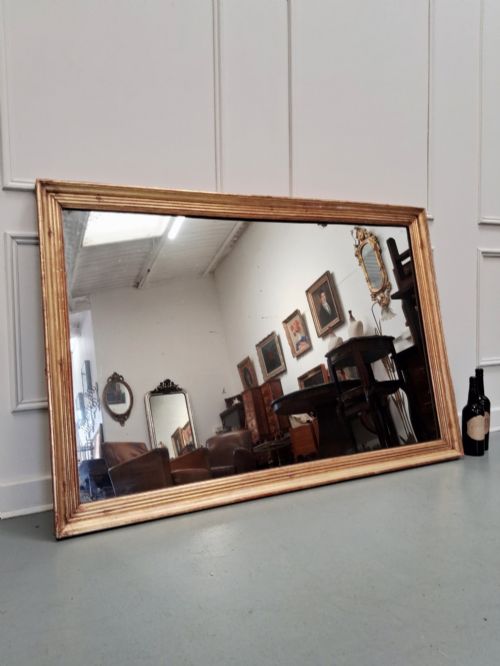
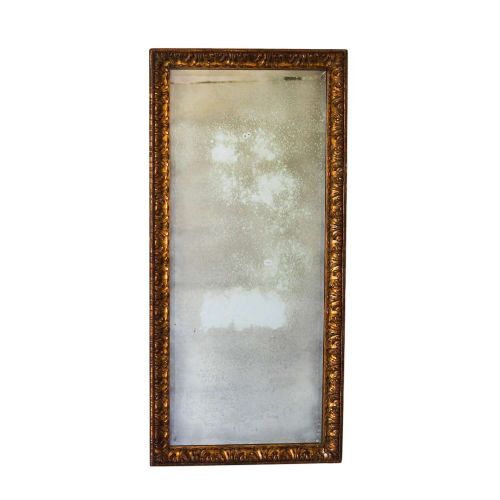
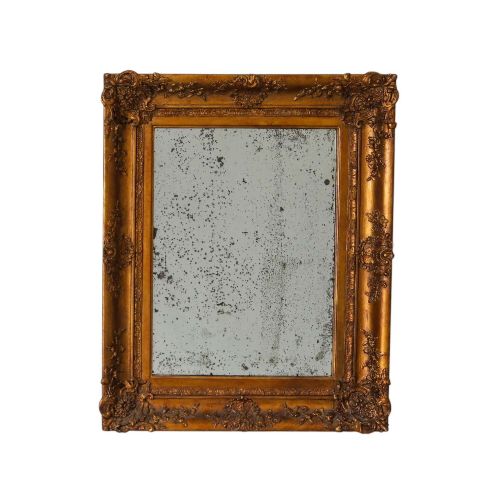
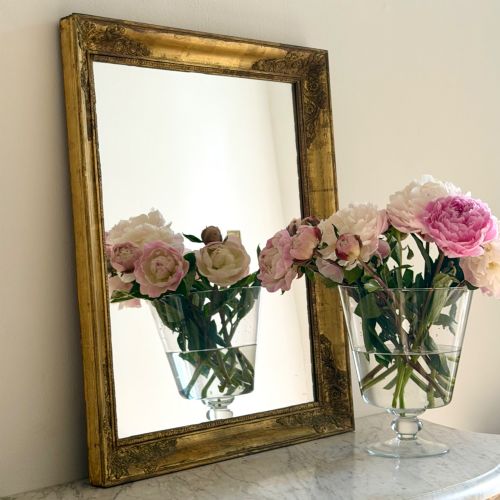
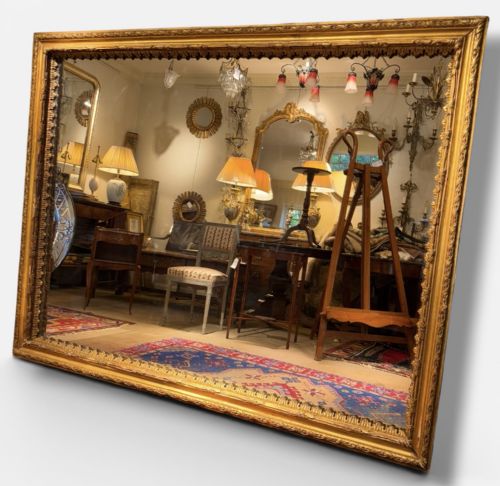
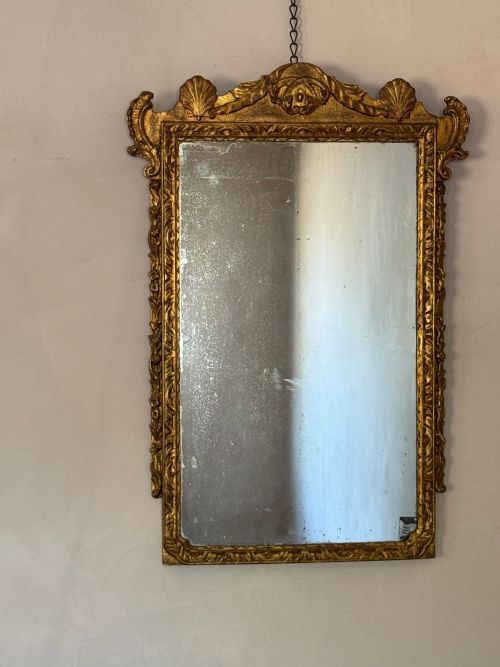
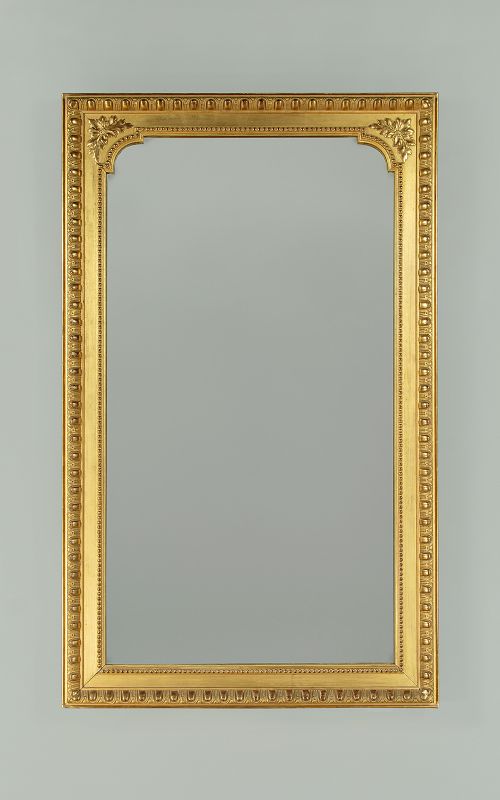
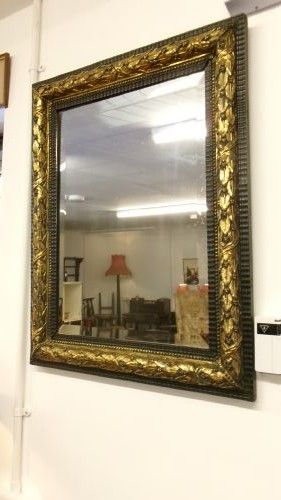

Gold Leaf Rectangular Mirror
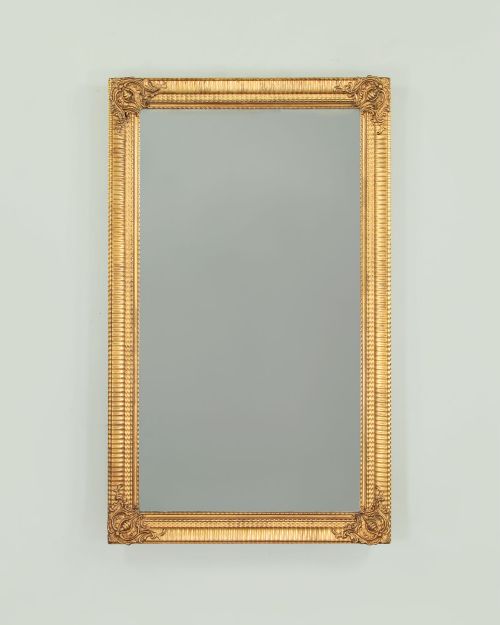
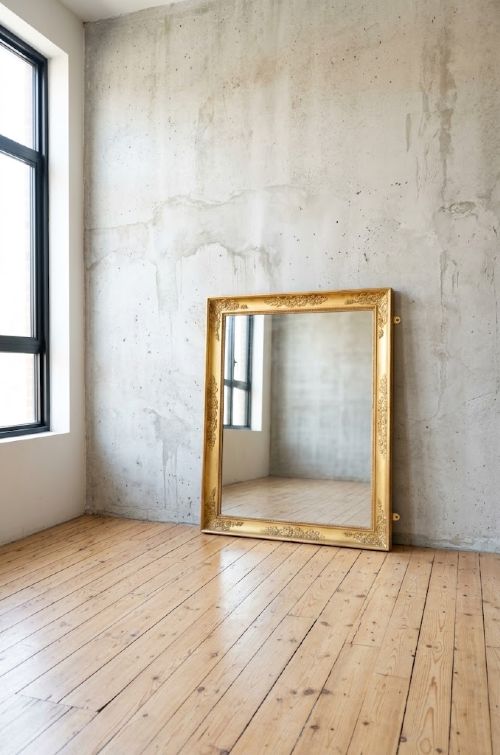
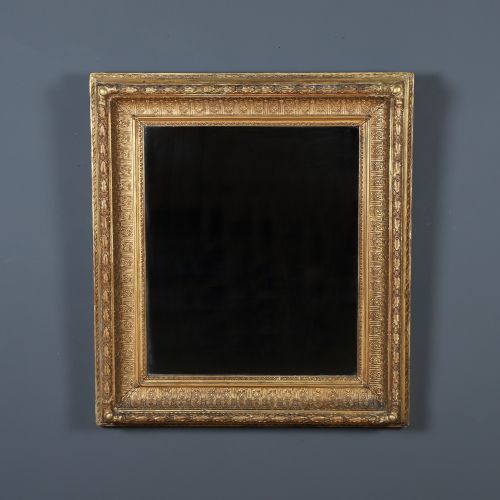
A gold leaf rectangular mirror brings depth and reflective light to a room through traditional gilded framing.
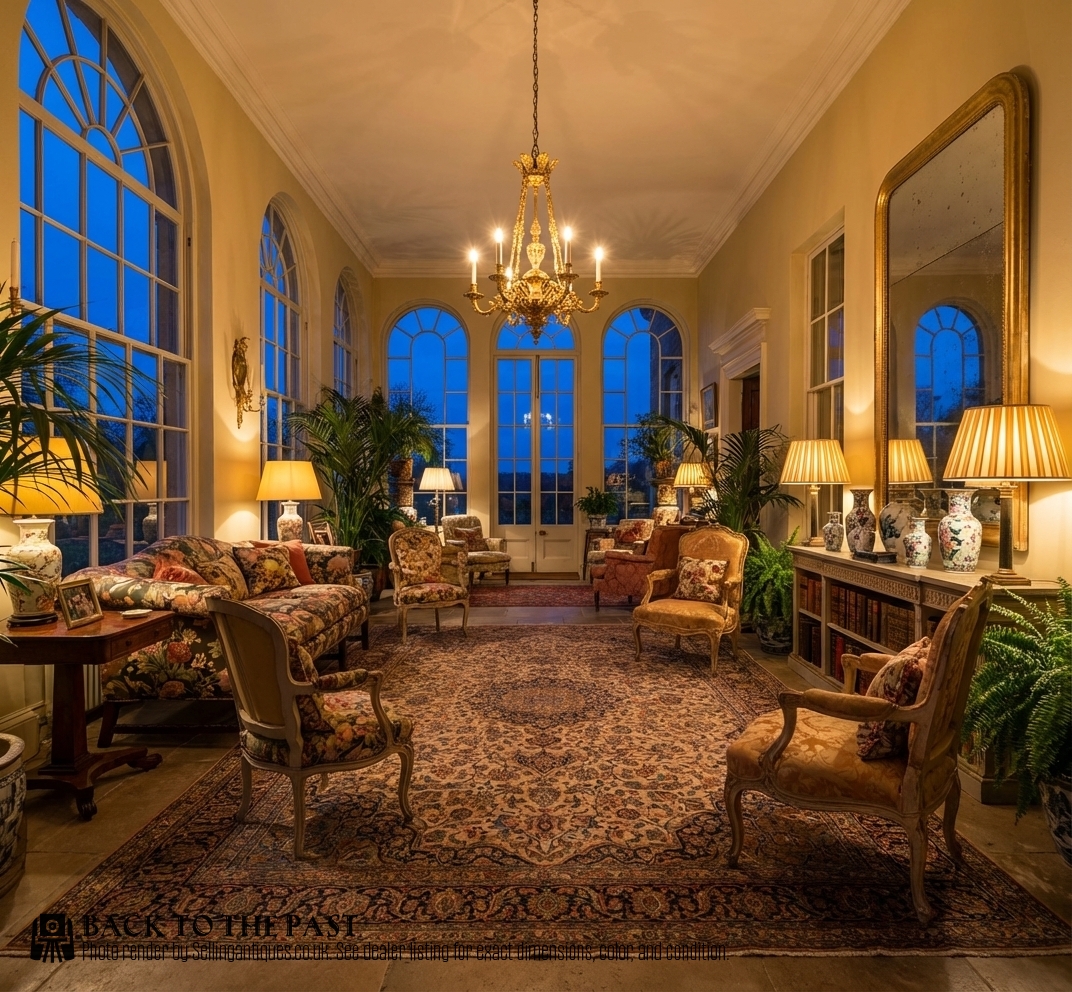
What They Are
A gold leaf rectangular mirror spans centuries of craftsmanship, ranging from eighteenth century Italian examples to nineteenth century French models. These wall hanging pieces and pier mirrors appear in styles such as Regency, Louis Philippe, Neoclassical, and French Chateau.
The format covers substantial French carved wood bistro mirrors from the early twentieth century alongside refined English pier mirrors from eighteen hundred. Most pieces on this page originate from nineteenth century France, showing rectangular proportions designed to expand interior space.
How They Were Made
Maker construction relies on carved wood and ebonised wood forming the underlying structure. Giltwood and gilt elements provide the bright surface finish.
Applied gesso prepares the wooden substrate for gilding, creating smooth or textured grounds beneath the metal leaf. Glass completes the construction, fitted into rectangular frames.
Retail Price Guide 2026
Typical UK retail prices for gold leaf rectangular mirror, calculated from the Sellingantiques database of over a million retail prices indexed since 2003. This retail price guide relies exclusively on Sellingantiques data; no external sources or auction records are used, so the figures do not describe the wider market.
What Varies in Quality
Quality rests in the depth of the carving and the application of the gold leaf over gesso. Pieces with crisp detail in the wooden ornamentation demonstrate superior workshop standards.
Age and origin influence the character of the piece, with eighteenth century examples and specific regional styles holding distinct historical interest. The preservation of the original gilt surface determines the visual impact of the frame.
The Gold Leaf Rectangular Mirror Glossary
- Giltwood
- Wood that has been coated with gold leaf or gold paint. This finish creates a reflective metallic surface across the frame.
- Gesso
- A plaster mixture applied to wood to prepare a smooth surface for gilding. It allows for intricate carved details beneath the gold leaf.
- Pier Mirror
- A tall mirror designed to hang on the wall between windows. These pieces often feature rectangular proportions to match architectural spaces.
- Ebonised Wood
- Timber treated to resemble ebony, providing a dark contrast to gilt elements. This finish appears on nineteenth century frames.
Frequently Asked Questions
Where should I hang a rectangular mirror?
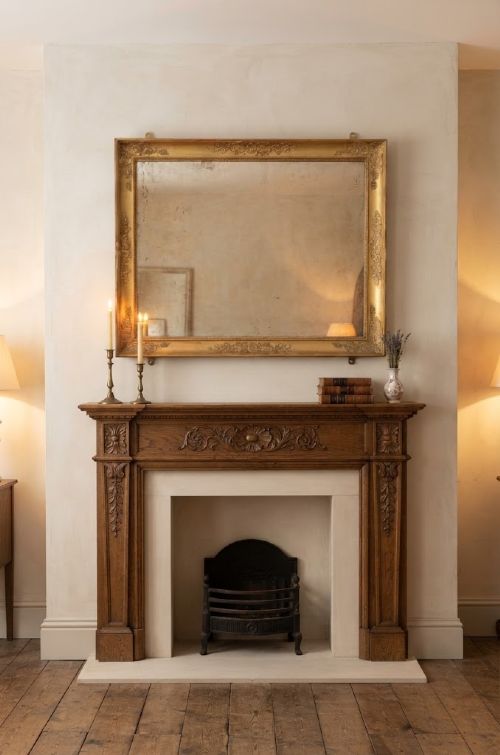
These mirrors suit placement above mantelpieces, sideboards, or console tables in principal rooms.
Their vertical or horizontal rectangular shapes help bounce natural light into darker corners.
How do I identify a French Louis Philippe mirror?
Louis Philippe mirrors typically feature rounded top corners combined with straight rectangular sides.
They often display simple gilded frames with subtle ornamentation rather than heavy carving.
Are these mirrors suitable for daily use?
Original antique mirrors function effectively for daily reflection while adding historic character to an interior.
Care should be taken to mount them securely due to the weight of the timber and glass.
What is a bistro mirror?
Bistro mirrors are large utility mirrors originally used in French cafes and public spaces.
Early twentieth century examples feature plain frames designed to maximise light and space in commercial settings.