
Gold Gilt Mantle Mirror
A gold gilt mantle mirror brings a room together, reflecting light through centuries of carved wood and polished glass.
Gold Gilt Mantle Mirror
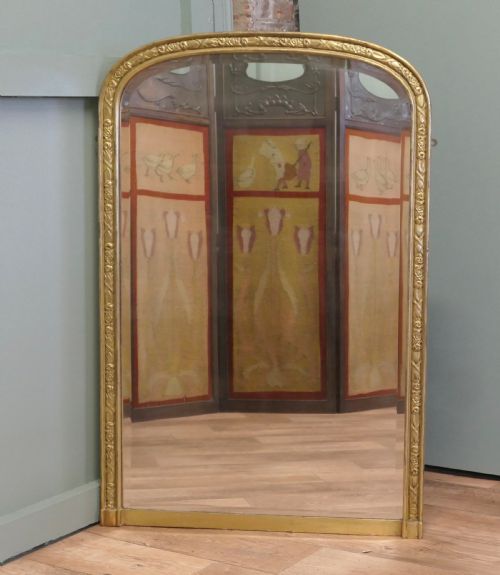
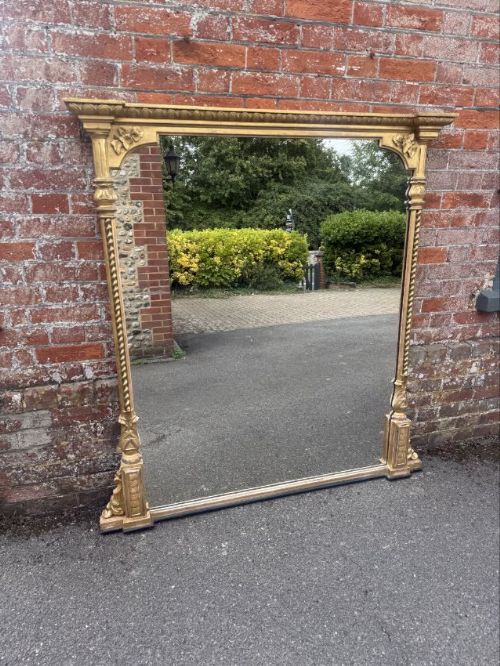
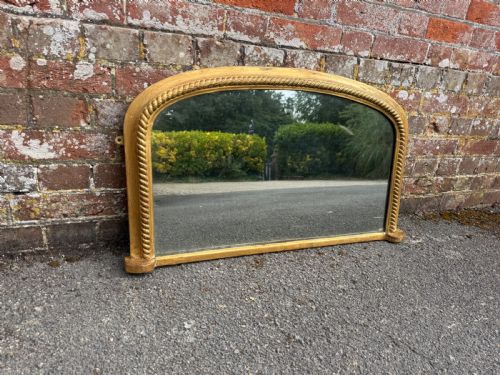
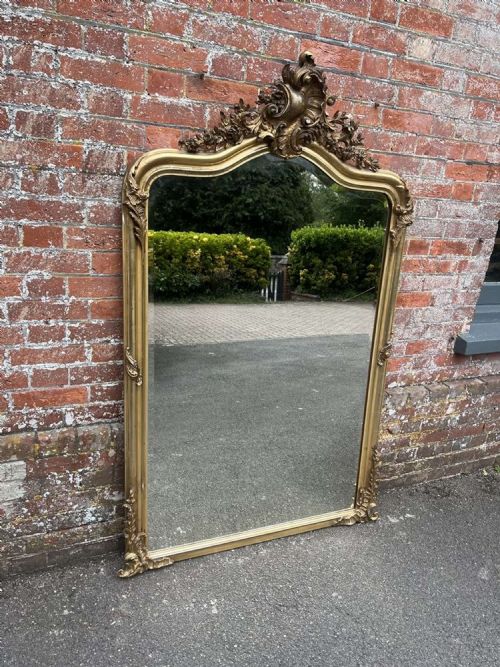
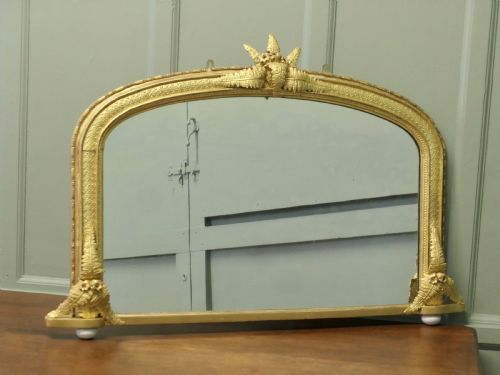
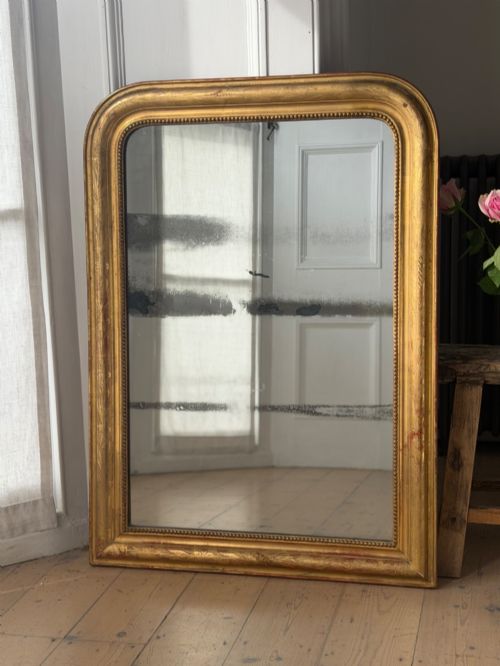
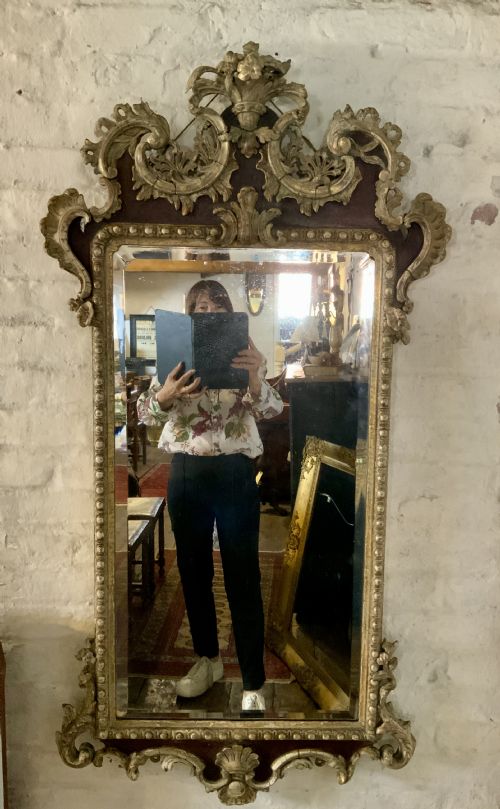
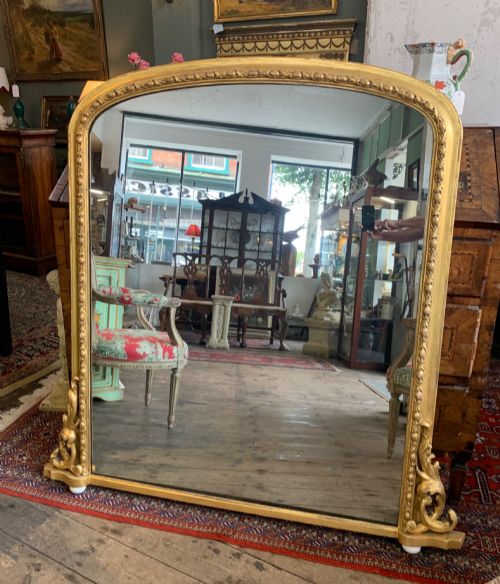
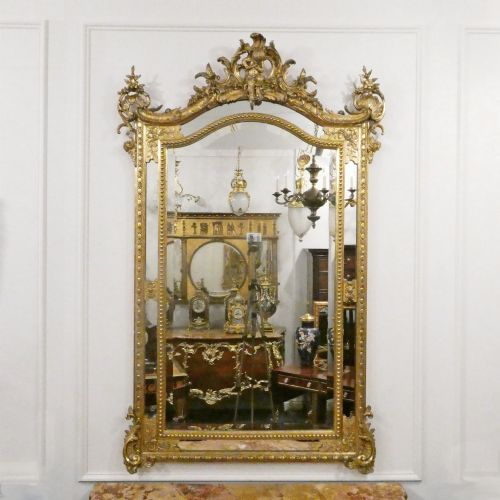
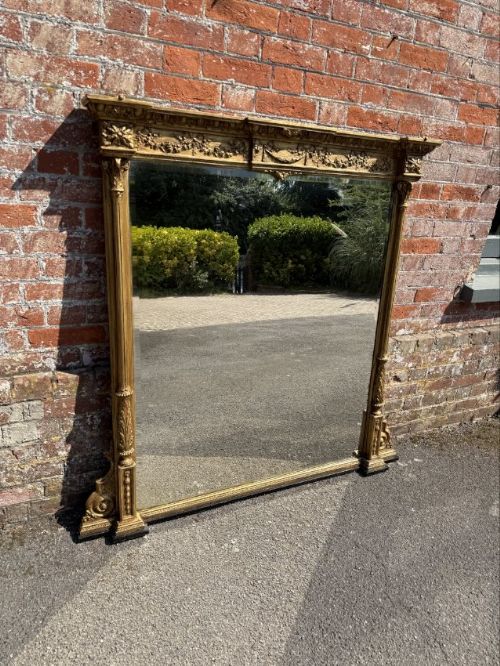
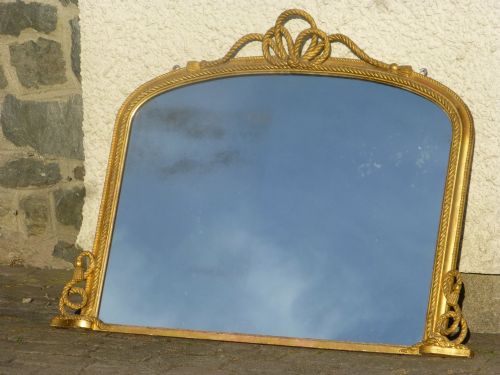
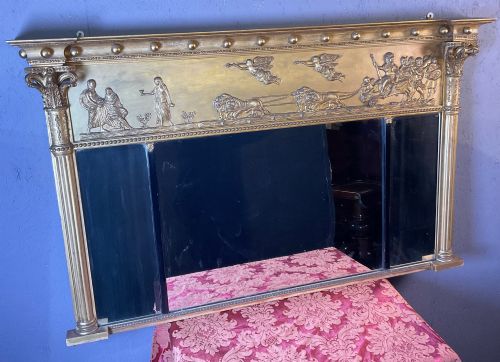
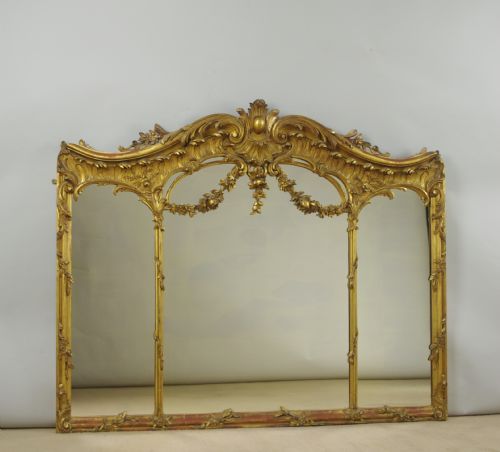
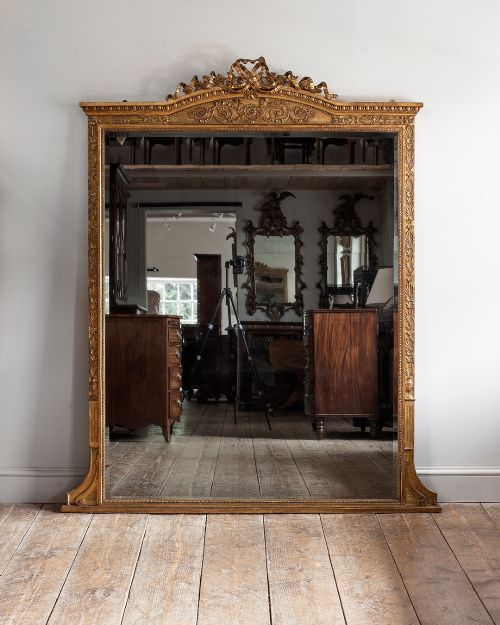
A gold gilt mantle mirror sits above a fireplace or serves as a principal wall hanging, designed to bounce light around a room and anchor the hearth. Most examples met on this page belong to the nineteenth century, including large Victorian and French Louis Philippe overmantels with architectural presence.
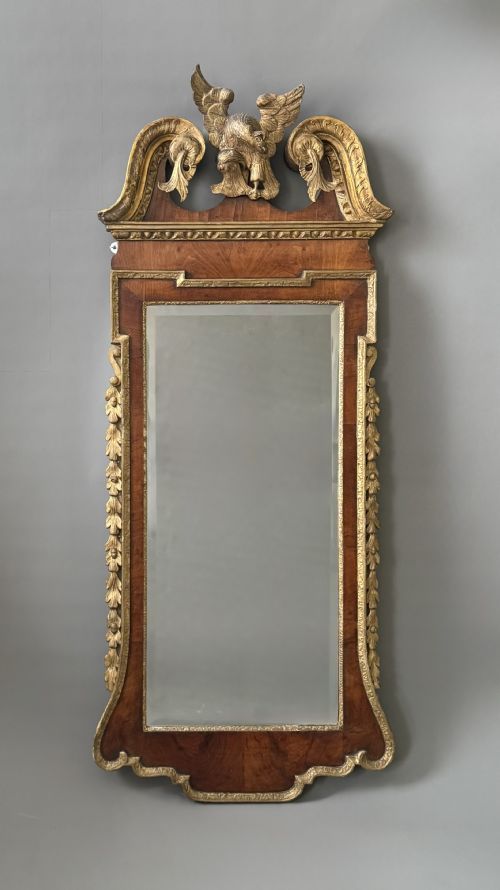
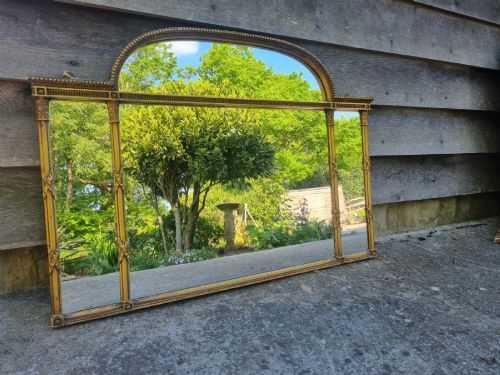
The form spans centuries, taking in Georgian parcel gilt and walnut designs alongside ornate Rococo revival pieces and Regency convex or rectangular glasses. Whether styled with arched tops, column frames, or triple plates, these overmantel and wall mirrors function as substantial decorative statements.
Origins stretch across English workshops and French ateliers, bringing together classical motifs, rope twists, and ribbon frames. Buyers encounter both landscape-oriented overmantels meant for mantelpieces and taller vertical wall mirrors built for principal reception rooms.
How they were made
Makers shaped these frames from solid woods like mahogany or walnut, and applied layers of gesso - a chalk and glue mixture - to build up intricate three-dimensional carvings. This composition material allowed artisans to sculpt elaborate scrolls, masks, and floral details before gilding.
Gold leaf or gold finish was laid over the prepared wooden and gesso surfaces, catching light and developing a warm patina over time. Mercury glass or early bevelled glass plates were then set into the frames, sometimes showing natural foxing from age.
Gold Gilt Mantle Mirror Retail Price Guide 2026
Typical asking prices for gold gilt mantle mirror among the pieces listed under this phrase on Sellingantiques today, from the lower quarter to the upper quarter. They describe what is for sale here now, not the wider market.
Some French trumeau mirrors hide miniature seascapes of galleons at sea right above the glass, doubling as marine art.
What varies in quality
The depth and crispness of the carved wood and gesso ornamentation dictate the tier of craftsmanship, separating hand-modelled relief work from simpler moulded compositions. Sharp detail in rope twists, column frames, and classical motifs signals skilled workshop production.
The integrity of the original gilding and the survival of early or mercury glass plates define the preservation standard. Frames retaining their original gold leaf without heavy regilding offer greater historical value.
The Gold Gilt Mantle Mirror Glossary
- Giltwood
- Wood that has been covered with a thin layer of gold leaf. It forms the primary bright framework for many traditional mirrors.
- Gesso
- A plaster mixture applied to wood frames and carved into detailed ornaments. It provides the smooth base needed for applying gold leaf.
- Overmantel
- A large mirror specifically proportioned to hang above a fireplace mantel. These pieces often feature wide rectangular or arched formats.
- Foxing
- Age-related spots and discolouration within the glass plate. This natural oxidation indicates genuine antique mercury glass.
- Parcel Gilt
- Woodwork that is only partially gilded, leaving areas of natural walnut or mahogany exposed to contrast with the gold.
Gold Gilt Mantle Mirror: Frequently Asked Questions
How do I hang a heavy overmantel mirror?
These heavy frames require secure wall fixings anchored directly into masonry or substantial timber studs to support the weight safely.
Professional mirror fixings or French cleats distribute the load evenly across the wall surface.
What is the difference between an overmantel and a wall mirror?
An overmantel mirror is specifically built to sit above a fireplace, traditionally featuring a wider horizontal format to match the mantel.
Wall mirrors are proportioned for general wall hanging and often take taller vertical shapes.
How should I clean antique gilt frames?
Dust the carved gesso and gold leaf gently with a dry, soft brush to protect the delicate metallic surface from damage.
Avoid liquid cleaners and harsh chemicals, which can strip the gold leaf or soften the underlying composition.
How can I tell a Victorian mirror from a Georgian one?
Georgian mirrors often feature walnut or mahogany frames with parcel gilt details and restrained architectural lines.
Victorian and later nineteenth-century pieces tend to utilise heavier gesso ornamentation, elaborate rope twists, and arched tops.