

Cased Sterling Silver
Cased sterling silver brings together the precision of British silversmithing and the tailored protection of custom-fitted presentation boxes.
Cased Sterling Silver
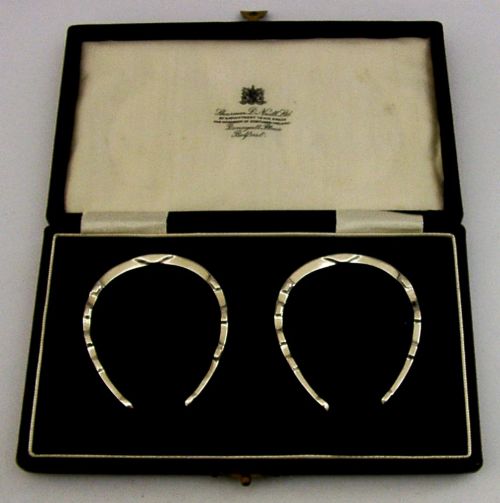
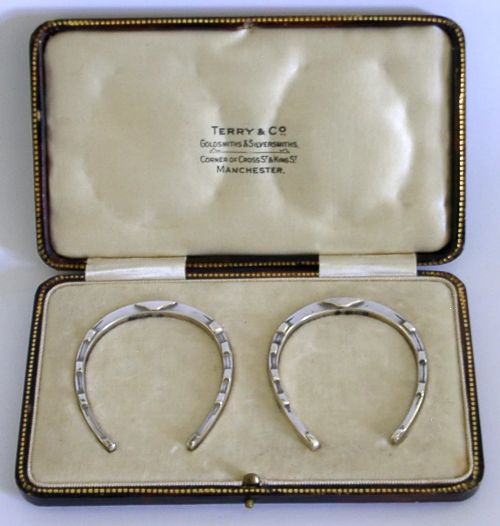
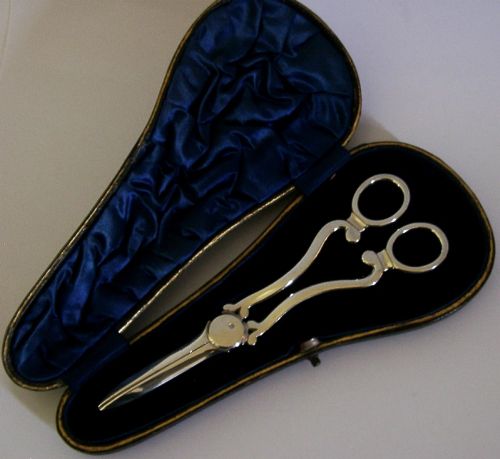
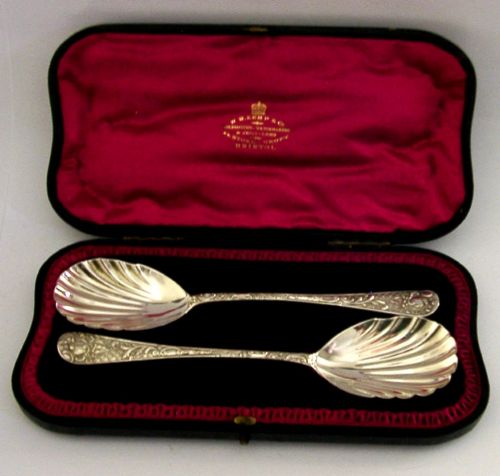
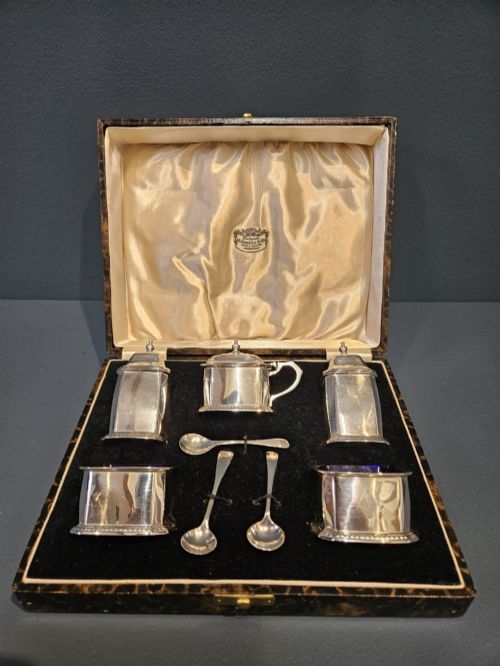
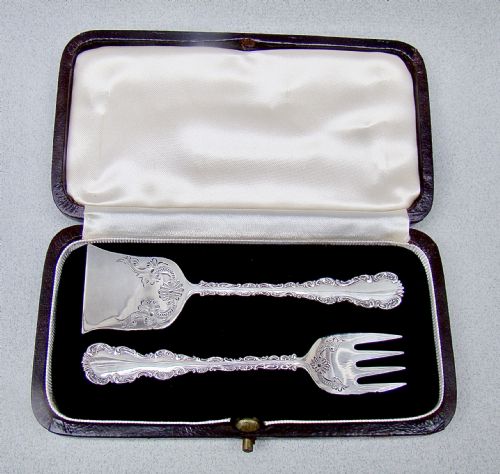
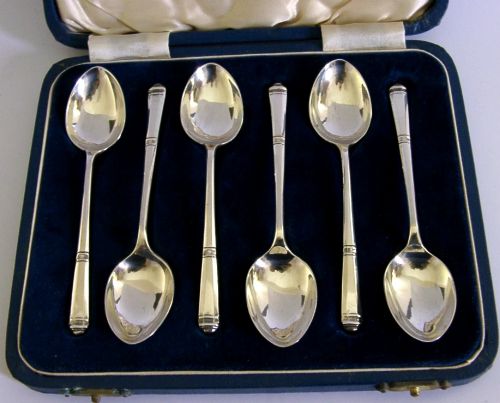
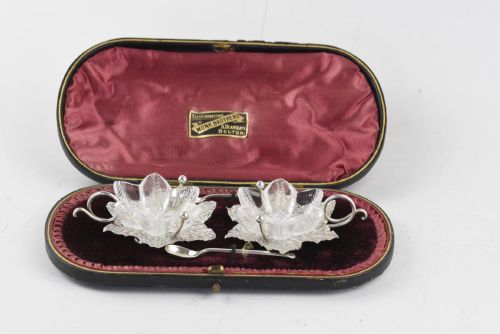
When browsing cased sterling silver, collectors encounter matched sets of flatware, serving items, and novelty presentation pieces preserved in fitted containers. These assemblies range from Victorian cruet sets and Edwardian napkin rings to Art Deco teaspoons and cocktail sticks.
The objects inside were originally commissioned for special occasions, weddings, or formal dining, requiring a dedicated home to prevent tarnishing and damage. Surviving examples retain their original internal fabric linings, offering an intact snapshot of period domestic life.
How They Were Made
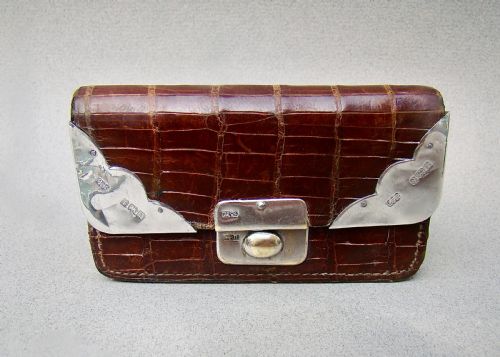
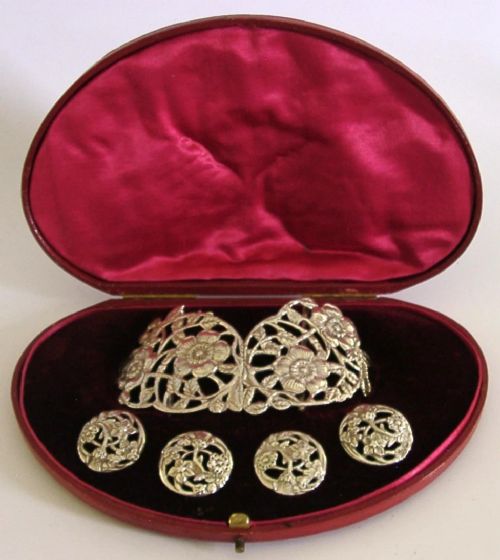
Makers fashioned the outer protective shells from wood or pressed card covered in durable leather, leatherette, or textured crocodile skin. Inside these housings, compartments were moulded to fit each individual silver item and lined with plush velvet, silk, satin, or soft fabric.
The silver components themselves were shaped through traditional silversmithing methods such as casting, stamping, and piercing, frequently enhanced with hand-painted enamel or gilt finishes. Fitted metal hinges and secure clasps completed the boxes, ensuring the contents remained immobile during transport.
Listings span from the Victorian and Edwardian eras through the Art Deco period into mid-century modern design.
What Varies in Quality
The distinction between standard items and exceptional pieces rests on the complexity of the silversmith's work and the integrity of the housing. Elaborate figural forms, such as menu holders shaped like owls or detailed enamel work, command greater attention than plain utility spoons.
Preservation of the original fitted case significantly influences desirability, particularly when the interior silk and velvet remain untorn and the exterior leather shows minimal wear. Complete sets retaining every matching spoon, fork, or container display a higher degree of original craftsmanship than assembled or partial groupings.
Charles Penny Brown·Henry Wilkinson·Aaron Lufkin Dennison·Levi And Salaman·Howard James·EV Pledge And Son·Robert Chandler·Horton And Allday·FA Barrett·A Wilcox·Walker And Hall·The Adie Brothers·Souche Lapparra·Asprey And Co
The Cased Sterling Silver Glossary
- Vesta case
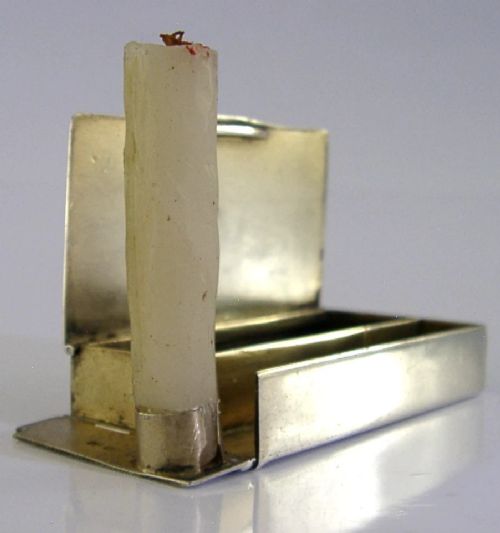
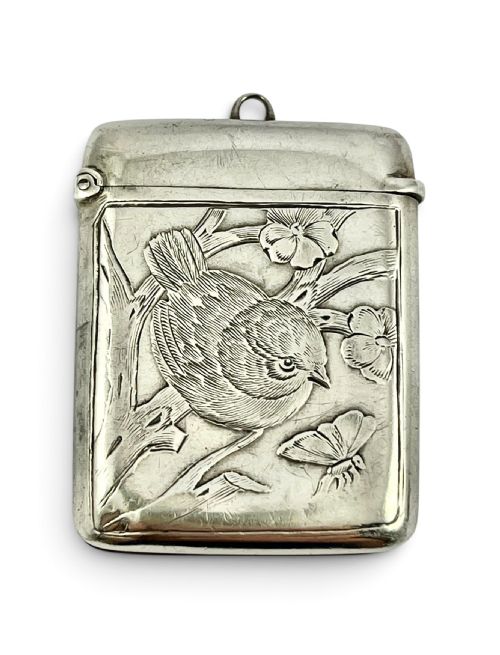
- A small pocket container designed to hold matches, typically featuring a striking serrated base. Victorian and Edwardian examples often include spring-loaded lids.
- Cruet set
- A matched group of small condiment containers holding salt, pepper, or mustard, frequently accompanied by bespoke spoons and presented in a fitted tray or box.
- Enamel
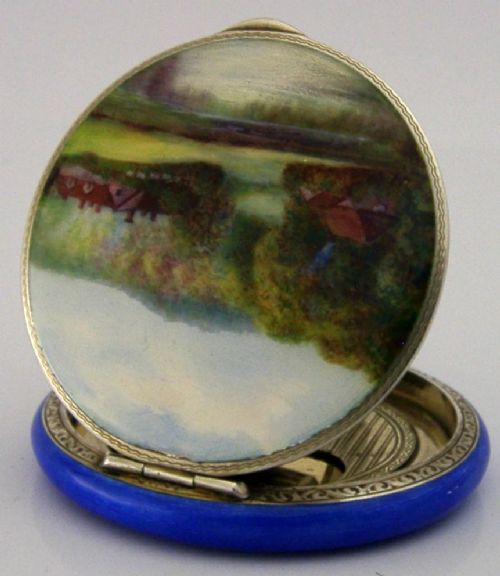
- A decorative glassy substance fused to the surface of sterling silver through high-heat firing. Hand-painted motifs and translucent guilloche patterns appear frequently on compacts and spoons.
- Assay office
- An official body responsible for testing the purity of precious metals and stamping them with hallmark symbols. Towns like Birmingham, Sheffield, and Chester maintained active offices.
- Gilt
- Silver objects that have been coated with a thin layer of gold, providing a rich two-tone decorative effect on the interior of bowls or spoons.
Cased Sterling Silver: Frequently Asked Questions
What are cased silver items?
These are solid sterling silver objects sold alongside their original custom-fitted storage boxes. They include dining flatware, desk accessories, and personal items.
The protective containers shielded the precious metal from tarnishing and kept delicate sets organised between uses.
How were these sets used?
Owners displayed or utilised them during formal dining, travelling, or daily grooming routines. Many were presentation gifts for weddings or retirements.
The fitted cases allowed families to store the collection safely in sideboards or transport luxury items securely.
How do I date cased silver?
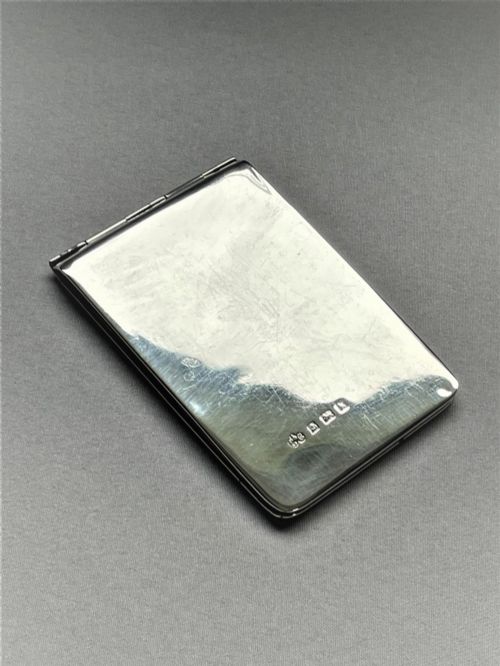
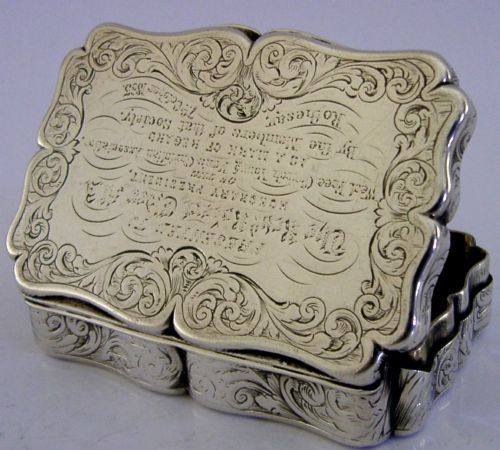
British silver bears hallmarks stamped directly onto the metal, including date letters that correspond to specific assay office records. Examining the style of the box lining and exterior materials also helps confirm the era.
Art Deco and Victorian pieces display distinct aesthetic markers in both the silver design and the typography used on inner box silk linings.
How should I clean them?
Silver components require gentle cleaning with a specialised soft cloth to preserve the underlying metal and any fine engraving. Abrasive polishes should be avoided on enamelled or gilt surfaces.
The velvet and silk interiors of the cases benefit from light surface dusting using a dry brush rather than liquid cleaners.