



Silver Pedestal Fruit Dish
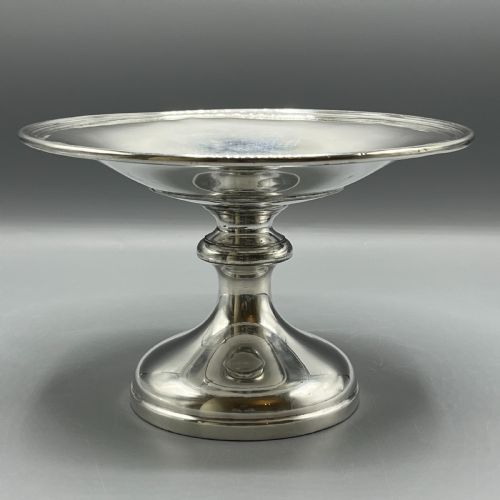
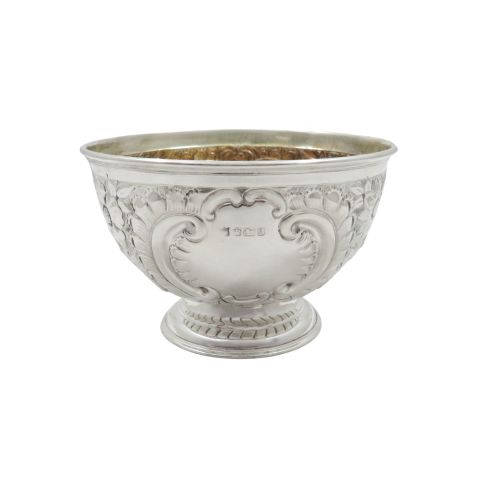
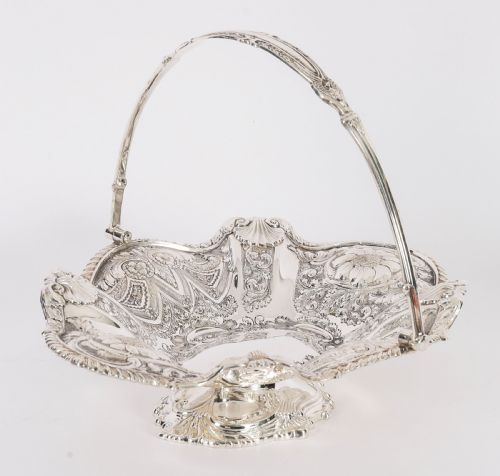
A silver pedestal fruit dish elevates table service quite literally, offering a footed stage for produce or centrepiece display.
Silver Pedestal Fruit Dish
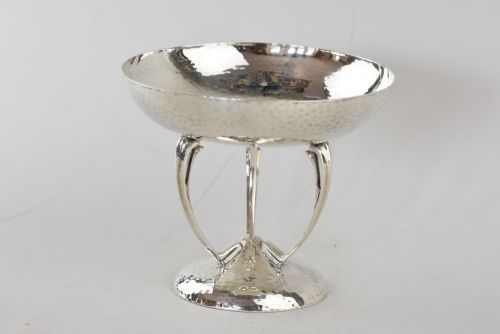
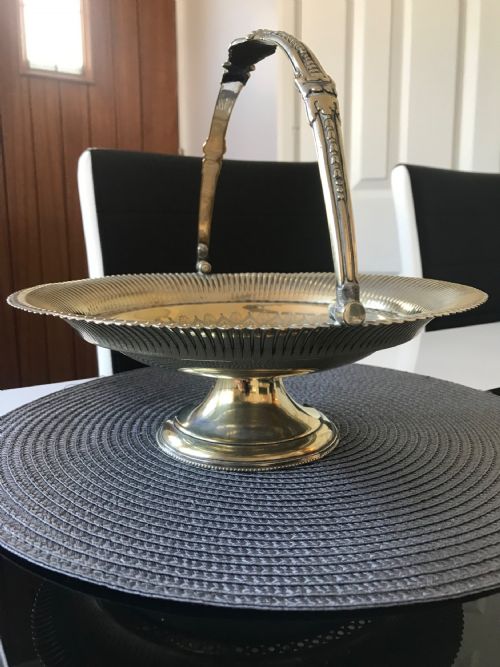
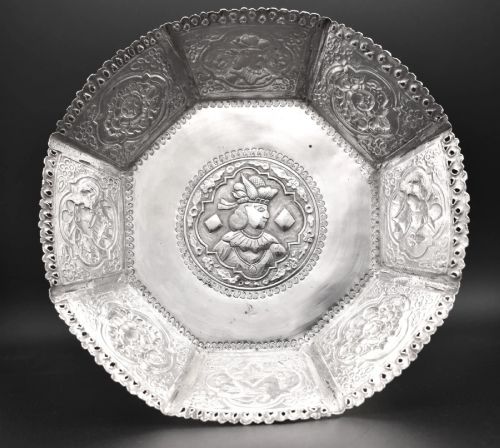
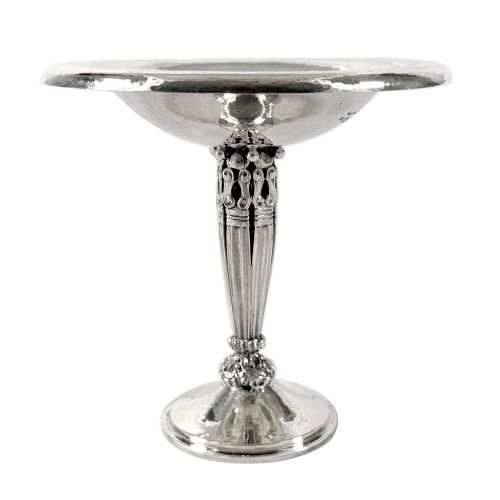
A silver pedestal fruit dish brings height and presence to a dining table, functioning as a raised vessel for holding fruit, cakes, or confections.
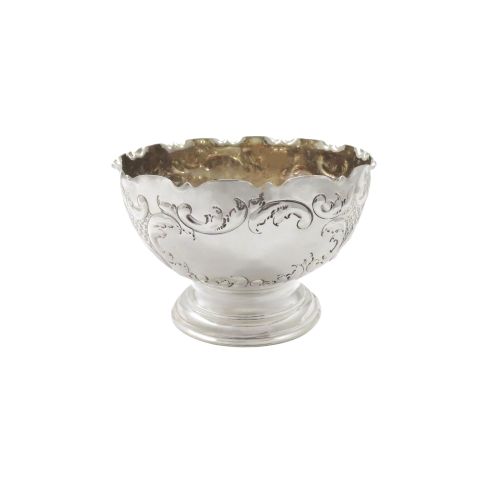
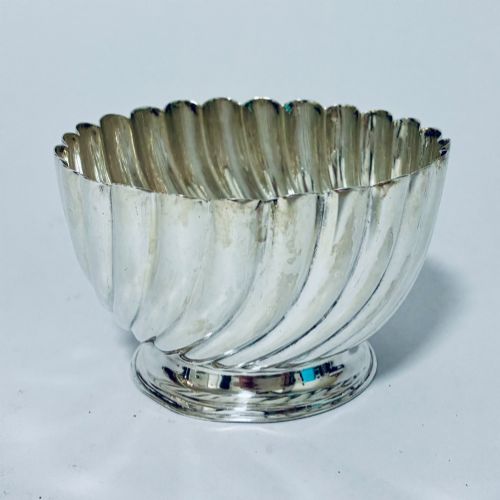
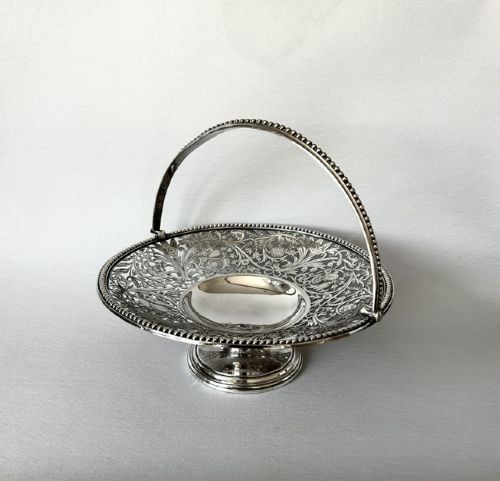
You will encounter these pieces across Victorian, Edwardian, and later twentieth-century periods, taking the form of footed bowls, tazzas, and swing-handled baskets.
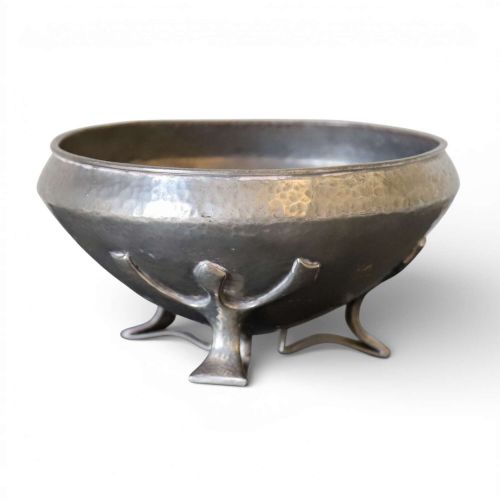
The materials span from heavy sterling silver to electroplated nickel silver, silver plate, pewter, and occasional combinations with glass liners.
Materials and construction
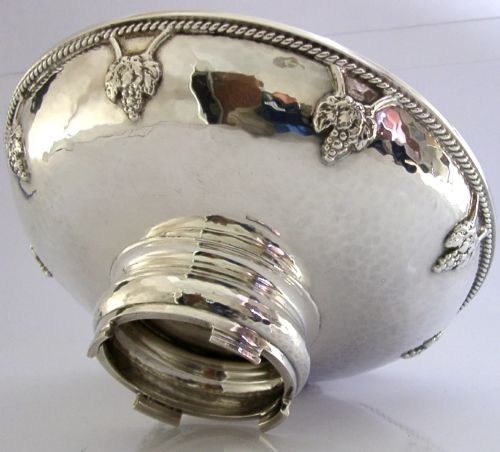
Silversmiths utilised traditional methods such as hammering, planishing, piercing, and repoussé to shape sterling silver, silver plate, and pewter into elevated forms.
Decorative elements often include lattice work, embossed detailing, and cast feet or handles soldered securely to the central bowl or basket.
Silver Pedestal Fruit Dish Retail Price Guide 2026
Typical asking prices for silver pedestal fruit dish among the pieces listed under this phrase on Sellingantiques today, from the lower quarter to the upper quarter. They describe what is for sale here now, not the wider market.
Several baskets include swing handles designed originally to let Victorian servants tuck the dish away neatly before dessert.
Distinguishing quality
The standard of a silver pedestal fruit dish rests on the crispness of its pierced or embossed detailing and the weight and balance of its foot.
Pieces bearing marks from recognised makers or retail houses display superior control in surface finish, whether through hand-planished facets or polished plating.
A E Jones·Goldsmiths and Silversmiths Company·Liberty and Co·Oliver Baker·Charles Boyton·George W Scott and Sons Ltd·Walker and Hall·James Deakin and Sons·Elkington and Co·WMF·James Dixon and Sons
The Silver Pedestal Fruit Dish Glossary
- Tazza
- A shallow bowl or plate mounted on a stem and foot. This Italian term describes many footed presentation pieces found on this page.
- Repoussé
- A metalworking technique where the metal is hammered from the reverse side to form a raised design in relief. It creates textured, tactile surface patterns.
- Planished
- A surface finish achieved by striking metal with a small-headed hammer, leaving systematic facets across the body. This technique is typical of Arts and Crafts metalwork.
- Pierced
- Work cut through the metal to create openwork lattice designs or borders. It lightened the visual weight of large silver baskets and bowls.
Silver Pedestal Fruit Dish: Frequently Asked Questions
What is a tazza?
A tazza is a flat, shallow vessel raised upon a central foot or pedestal base. It serves to elevate food items above the table surface.
In historical dining, these pieces held fruit, sweetmeats, or cakes during formal courses.
How do I clean my silver dish?
Use a soft microfiber cloth and a mild, reputable silver polish designed for sterling or plated surfaces. Avoid harsh abrasives that remove thin layers of plating.
Wash the piece in warm soapy water and dry it thoroughly after polishing to maintain the lustre.
Are these pieces dishwasher safe?
None of these antique or vintage vessels should ever go into a dishwasher. The harsh detergents and prolonged heat ruin silver plate and damage pewter or glass components.
Hand washing remains the only safe method for maintaining these historic metal items.
How can I tell the period?
Hallmarks stamped into sterling silver provide specific date letters and assay office symbols that date the piece precisely. Stylistic cues like Art Nouveau curves or Arts and Crafts hammer marks also point to exact eras.
Silver plate relies more on maker marks and overall design conventions to indicate its decade of manufacture.