



Sterling Silver Compote Dish
These sterling silver compote dish pieces bring raised presence to a table, offering deep bowls lifted on stems for fruit or display.
Sterling Silver Compote Dish
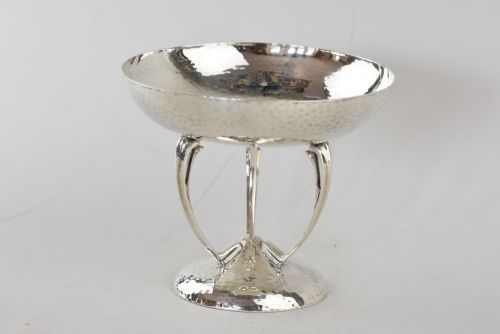
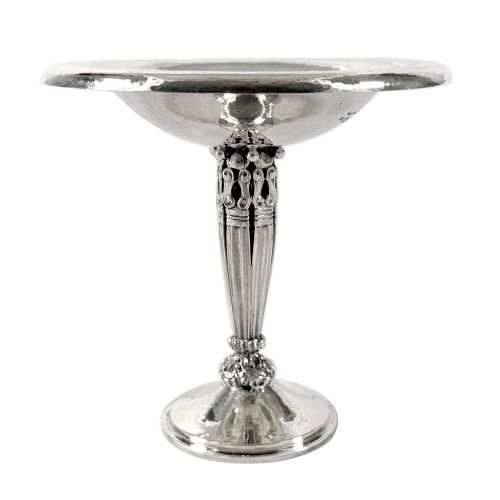
A sterling silver compote dish stands on a raised foot or pedestal, creating height and drama on a table or sideboard. These items appear in forms such as tazzas, pedestal bowls, and centrepiece bowls designed for serving fruit or sweets.
The selections span centuries of British and international silver-making, ranging from Georgian pedestal dishes and Edwardian pierced centrepieces to later Art Deco and Arts and Crafts examples. Buyers will encounter varied silhouettes, from simple round bowls to three-legged tazzas and twin-handled vessels.
Origins stretch from London, Sheffield, and Edinburgh workshops to Anglo-Indian Burmese productions and Spanish silver work. The material is predominantly sterling silver, sometimes finished with vermeil or gilt interiors that catch the light.
How they were made
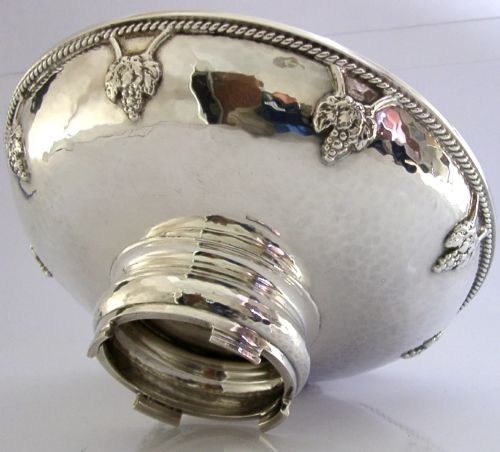
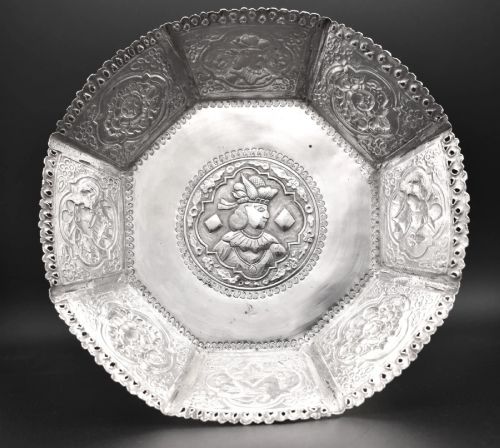
Makers shaped sterling silver using techniques of hammering, piercing, and repoussé to create texture and pattern across the surface. Hammered finishes show the deliberate marks of the artisan, while pierced sections create delicate lattice and openwork details around the rim or body.
Pedestals and feet were often cast separately and joined securely to the main bowl, supported by collars or structural stems. Interiors frequently received a wash of gold, known as vermeil, providing a warm contrast to the bright exterior silver.
Sterling Silver Compote Dish Retail Price Guide 2026
Typical asking prices for sterling silver compote dish among the pieces listed under this phrase on Sellingantiques today, from the lower quarter to the upper quarter. They describe what is for sale here now, not the wider market.
Listings include pieces spanning from the eighteenth century through the Edwardian era and mid-twentieth century.
What varies in quality
Quality rests in the balance of the proportions between the bowl and its raised foot, alongside the crispness of any repoussé relief or hand-hammered texture. Heavier gauge silver provides a reassuring weight and structural integrity that resists bending.
The distinction between standard commercial production and finer work lies in the refinement of decorative details, such as hand-pierced lattice patterns and clearly struck maker marks. Integration of gilt interiors and specialised stylistic touches elevate individual examples.
A E Jones·Goldsmiths and Silversmiths Company·Charles Boyton·Walker & Hall·James Dixon & Sons
The Sterling Silver Compote Dish Glossary
- Tazza
- A shallow bowl or plate mounted on a stem and foot, used historically for serving small portions of food or fruit. It often serves as a focal point on a dining table.
- Vermeil
- Sterling silver that has been plated with a thin layer of gold. This technique adds a rich, warm tone to the interior of bowls and dishes.
- Repoussé
- A metalworking technique where the silver is hammered from the reverse side to create a raised design in relief on the front. It requires considerable skill to achieve smooth contours.
- Pedestal dish
- Any vessel raised above the surface on a central foot or stem. These forms emphasise verticality and presence in silver display pieces.
- Pierced work
- The method of cutting or piercing decorative patterns through the silver sheet. This lightens the visual weight of large centrepiece bowls.
Sterling Silver Compote Dish: Frequently Asked Questions
What is a compote dish used for?
These elevated vessels were traditionally designed to serve fruits, nuts, or sweetmeats at the conclusion of a formal meal. Their raised profile kept the contents visible and accessible among other table settings.
Today, they function well as decorative centrepieces on sideboards or dining tables, holding seasonal displays or standing empty to showcase the metalwork.
How do I tell an Edwardian compote from a Georgian one?
Georgian pedestal dishes often display the restrained classical lines and proportions typical of the eighteenth century. Edwardian examples frequently incorporate pierced scrollwork or heavier decorative flourishes characteristic of the early twentieth century.
Maker marks and hallmarks stamped into the silver provide the most reliable guide to the exact period of manufacture.
What does a gilt interior mean?
A gilt interior indicates that the inside of the silver bowl has been coated with a thin layer of gold, often referred to as vermeil. This protected the silver from being tarnished by acidic foods like fresh fruit.
It also provides a striking visual contrast between the golden interior and the bright polished silver exterior.
How should I clean sterling silver compote dishes?
Regular dusting with a soft cloth helps maintain the shine of polished sterling silver surfaces. When tarnish accumulates, a specialised silver cream applied gently prevents damage to delicate hand-hammered or repoussé details.
Harsh abrasive cleaners and immersion dips should be avoided, particularly on pieces with gilt interiors or delicate pierced work.