
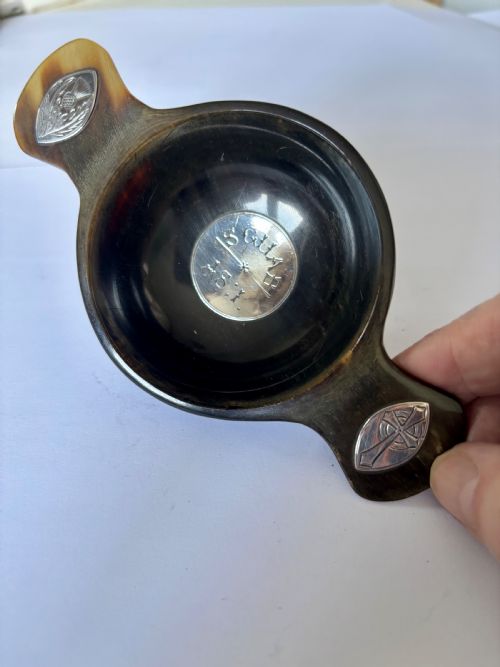


Silver Quaich Cup
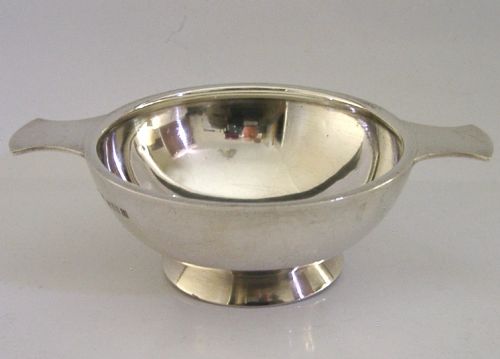
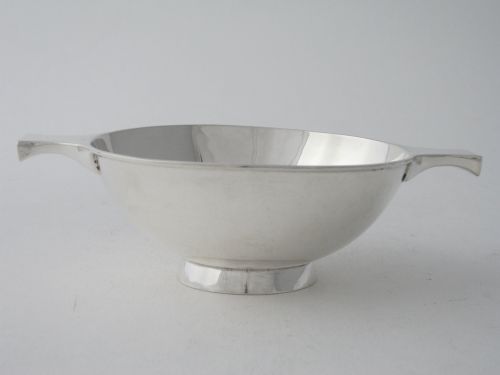
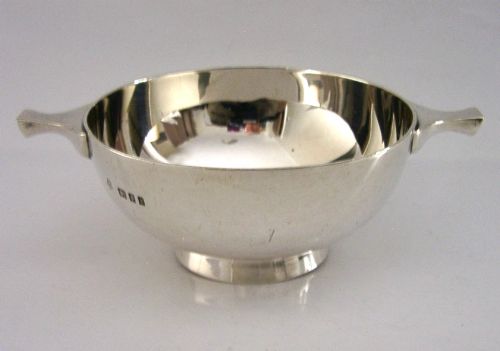
A silver quaich cup brings traditional Scottish drinking vessel forms into polished metalwork through twin handled bowls.
Silver Quaich Cup
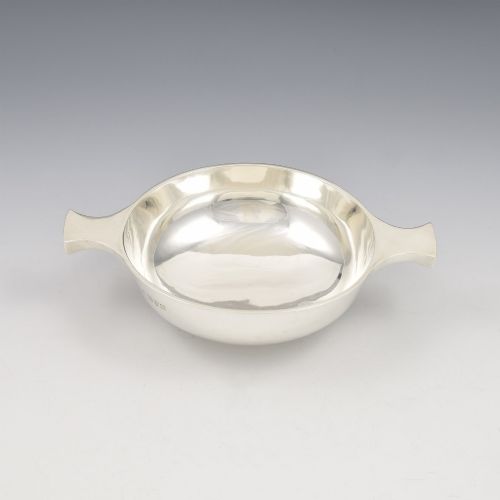
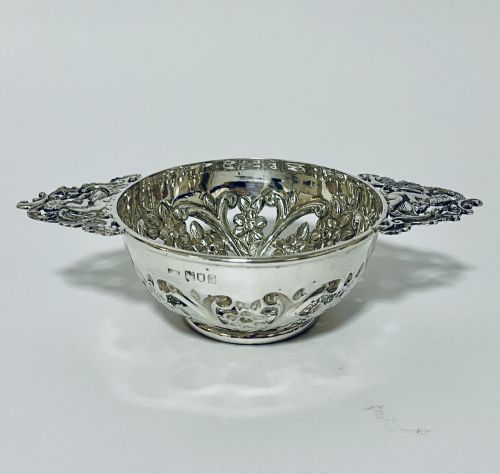
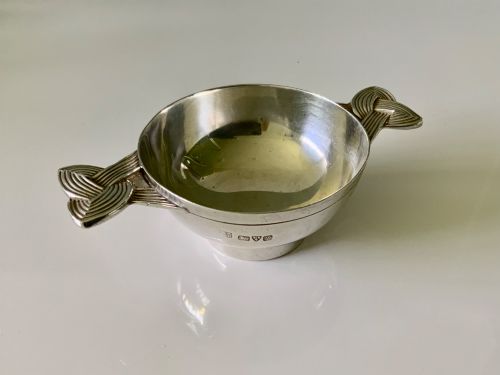
A silver quaich cup sits as a shallow two-handled drinking bowl rooted in Scottish tradition, turning up in forms ranging from plain polished sterling to decorated Arts and Crafts pieces. Buyers searching for a silver quaich cup encounter examples spanning from the Victorian era through the mid-twentieth century, including specialised commemorative editions and novelty shapes like barrels.
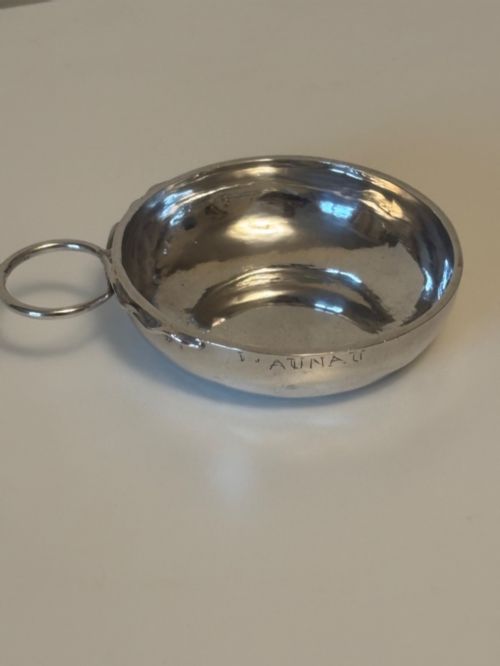
Most entries follow the classic circular bowl geometry fitted with opposing lugs or handles known as luggies, occasionally appearing alongside related vessel categories such as wine tasters and christening bowls. The selection includes regional British hallmarks as well as continental French nineteenth-century variants, providing diverse interpretations of the standard drinking vessel format.
Materials and construction
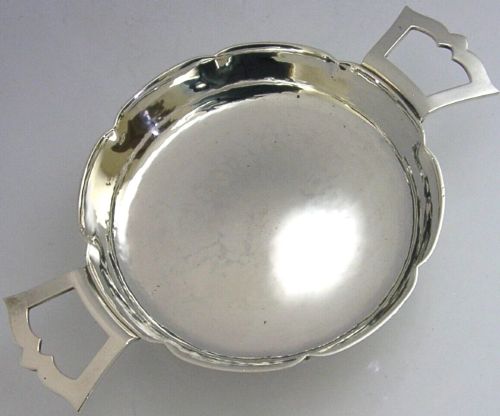
Makers fashioned these vessels primarily from sterling silver and standard silver, utilising hand-hammered planished surfaces on Arts and Crafts examples to display the subtle marks of the craftsman's mallet. Alternative materials enter the record through natural horn mounted in silver rims, alongside pewter such as Tudric compositions for specific modernist lines.
Construction techniques combine traditional smithing methods with applied decorative motifs, integrating cast handles or lugs securely to the main bowl body. Wood accents occasionally line the base or handles of whisky vessels, while specialised pieces incorporate enamel work or engraved inscriptions marking historical events and sporting trophies.
One exceptional Victorian piece takes the cheerful form of a miniature drinking barrel complete with tiny wooden staves.
Assessing quality in execution
Quality separates through the crispness of the hand-raised form and the deliberate rhythm of planishing marks across the silver surface, distinguishing individual studio output from routine commercial production. Pieces bearing the marks of known Arts and Crafts silversmiths demonstrate superior balance in the weight of the bowl relative to the span of the handles.
The precision of the hallmark stamping and the structural integrity of the handle joints dictate the longevity and finish of each vessel. Better examples maintain clean geometric proportions without undue thinning of the metal at the rim or base.
R E Stone·Nathan and Hayes·Pierre Fournerot·Mackay and Chisholm·Liberty Pewter Tudric·Payne Oxford·Bernard Instone·Wakely and Wheeler
The Silver Quaich Cup Glossary
- Quaich
- A shallow two-handled drinking vessel originating in Scotland, traditionally used for drams of whisky and community toasts.
- Lug
- One of the two flat handles projecting from opposite sides of a quaich rim, often pierced for decoration or easier holding.
- Planished
- A metal surface finished with small, controlled hammer indentations that scatter light and show hand-working.
- Porringer
- A small bowl with one or two handles, functionally related to the shallow drinking vessels found in domestic silver services.
- Hallmark
- An official stamp applied to precious metals indicating the standard of purity, assay office, and year of manufacture.
Silver Quaich Cup: Frequently Asked Questions
What was a silver quaich cup used for?
These vessels served primarily as communal drinking cups for whisky, welcoming guests with a traditional dram at gatherings and ceremonies.
Over time, they evolved into presentation pieces, military prizes, and christening bowls gifted for significant family milestones.
How do I date an antique silver quaich cup?
Dating relies on reading the official hallmarks stamped into the metal, which indicate the specific assay office and year cycle.
Stylistic markers such as Edwardian proportions or Arts and Crafts planishing also help narrow the decade of manufacture.
How should I display a silver quaich cup at home?
The shallow form and projecting handles suit open cabinet placement or flat surfaces where the interior and hallmarks remain visible.
Avoid enclosed spaces with high humidity to maintain the polished finish of the metal and any natural horn elements.