






Georgian Silver Chalice
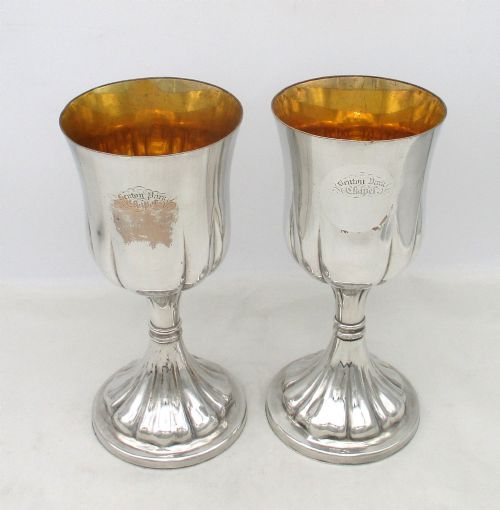
A georgian silver chalice brings sacred and ceremonial weight to the table, forged in sterling silver and old sheffield plate.
Georgian Silver Chalice
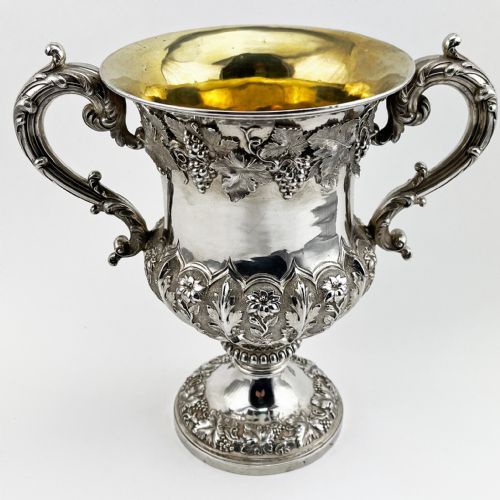
A georgian silver chalice encompasses drinking vessels, communion cups, loving cups, and trophies shaped with deep bowls and stemmed bases. These pieces emerge from the eighteenth and nineteenth centuries, reflecting both secular celebrations and ecclesiastical rites.
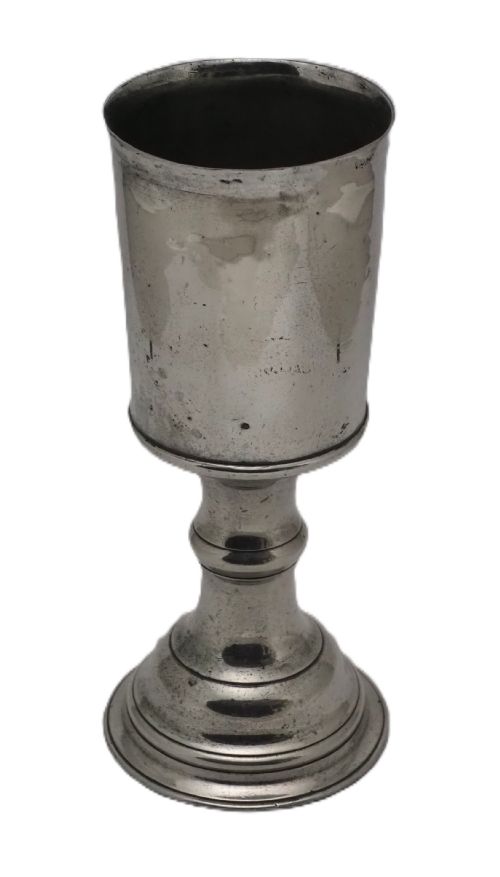
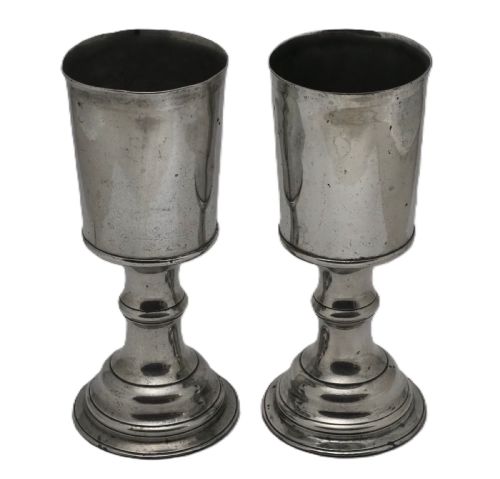
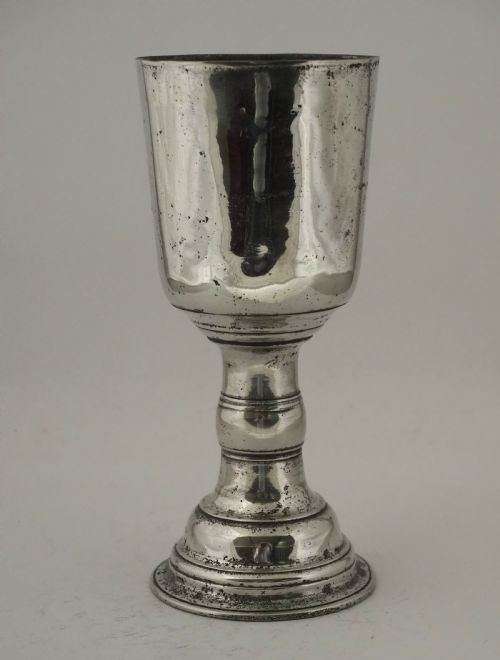
Most examples you encounter combine sterling silver or old sheffield plate with traditional goblet forms, sometimes featuring vase shaped bodies or domed feet. Irish pewter alternatives from the mid-eighteenth century also appear alongside sterling silver and plated variants.
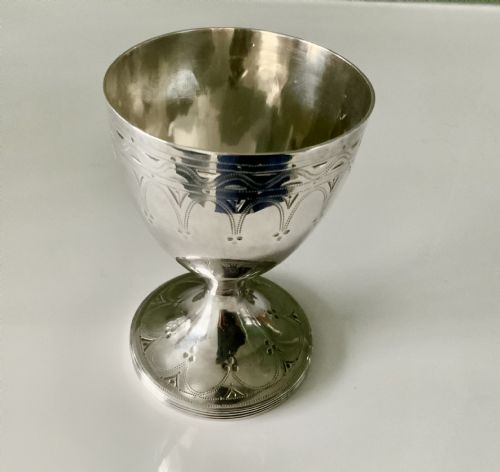
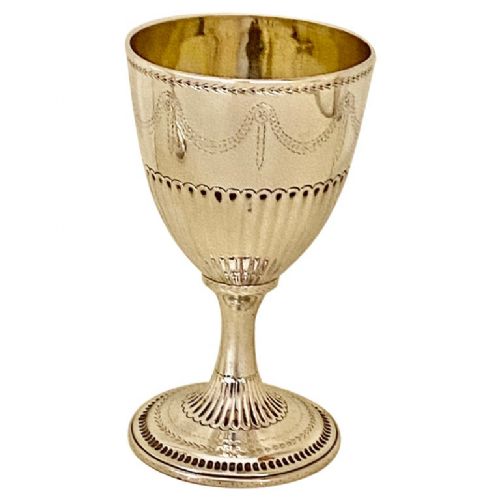
The aesthetic spans strict georgian restraint through to william iv, regency, and victorian ornamentation. Makers apply bright cut engraving or leave the heavy metal surfaces plain to highlight the proportions of the cup.
Materials and Construction
Silversmiths hammered and spun sterling silver into deep cup forms, often raising the metal from a single sheet to create seamless bowls. Old sheffield plate utilises a thin layer of silver fused to a copper core, visible where edges meet or wear occurs.
Pewter chalices are cast in moulds, producing substantial vessels of specific capacity like one pint. Gilt finishes and gold gilding occasionally coat the interior bowl, a traditional practice for communion vessels.
Some eighteen-century Irish chalices hold precisely one pint, ensuring no confusion during parish communion.
Distinctions in Quality
Weight and gauge of metal separate substantial presentation pieces from lighter domestic cups, dictating how the vessel feels in the hand. The crispness of bright cut engraving shows the skill of the original hand.
Preservation of the original silver plating on old sheffield plate alters the desirability of the piece. Clean hallmarks and traceable provenance elevate certain cups above unsigned domestic silverware.
James Deakin & Sons·Thomas Sutton
The Georgian Silver Chalice Glossary
- Sterling silver
- An alloy containing a high proportion of pure silver mixed with copper for durability. British pieces typically bear standard lion passant hallmarks.
- Old Sheffield plate
- An early fusing technique where a sheet of silver is melted onto a thicker copper base. This predates electroplating and exhibits characteristic copper edges.
- Bright cut engraving
- A surface decoration technique using faceted cuts that catch the light. This style appears frequently on georgian silver.
- Domed foot
- A raised, sloping base that supports the stem and bowl of a chalice. It adds stability and visual height to the vessel.
- Loving cup
- A large drinking vessel featuring multiple handles, passed around among guests at banquets. These share forms with standard chalices.
Georgian Silver Chalice: Frequently Asked Questions
How were these chalices used?
These vessels served both sacred communion services in churches and secular toasts at banquets or formal dinners.
Larger versions functioned as loving cups passed among guests or stood as presentation trophies.
Are all these chalices made of solid silver?
Many are forged from sterling silver, but a significant number utilise old sheffield plate, which fuses silver to copper.
Pewter and silver plate also appear among the selections, alongside gilt interiors.
How do I spot a Georgian piece?
Look for hallmarks indicating the eighteenth or early nineteenth centuries, alongside classical proportions like vase shaped bodies.
Bright cut engraving and plain pedestal bases are typical hallmarks of this design era.
How should I care for old silver?
Clean gently with a specialist microfibre cloth and avoid harsh chemical dips that strip away age and original plating.
Keep pieces away from damp environments to protect both silver and underlying copper or pewter.