



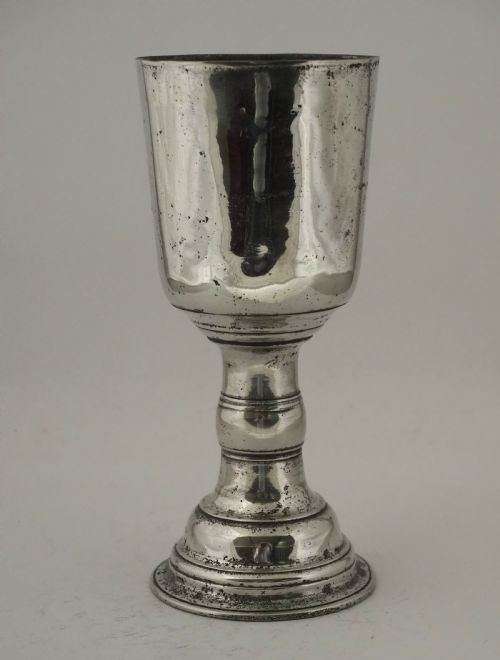

Georgian Silver Communion Cup
A georgian silver communion cup brings centuries of solemn history straight to your table, offering tactile weight and deep religious heritage.
Georgian Silver Communion Cup
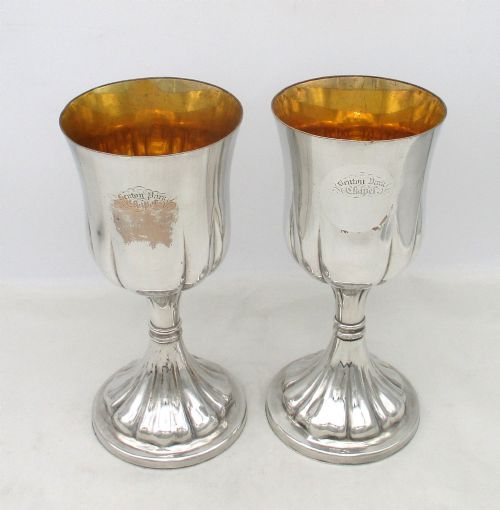
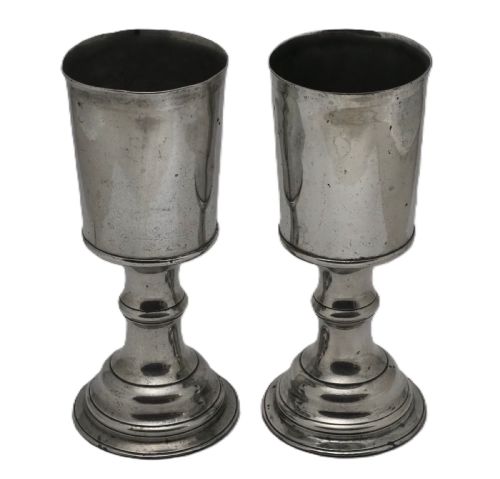
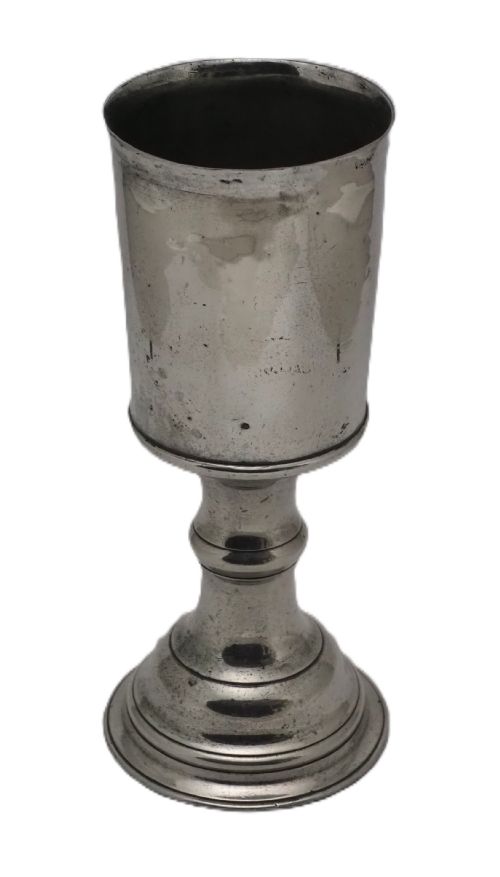
When you search for a georgian silver communion cup, you encounter sacred vessels designed for liturgical use, alongside domestic goblets and trophy cups of related form. These pieces emerge from periods spanning the eighteenth and nineteenth centuries, reflecting diverse ecclesiastical and secular traditions.
You are most likely to meet sterling silver and old Sheffield plate examples, often styled with vase-shaped bodies and domed feet. The selection includes individual chalices as well as matched pairs, demonstrating varied capacities from modest measures up to one pint.
How they were made
Silversmiths formed sterling silver and copper bases through traditional raising and spinning techniques, often applying gold gilding to the interior bowl. Old Sheffield plate combined a fused layer of silver over a copper core, creating durable vessels with rich metallic depth.
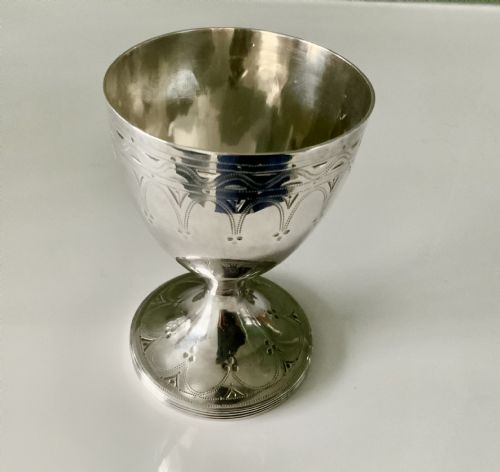
Surface ornamentation relied on bright-cut engraving, casting and applied mouldings to define stems and feet. Workshops utilised standard metalworking tools to shape vase bodies and secure pedestals without modern machinery.
Georgian Silver Communion Cup Retail Price Guide 2026
Typical asking prices for georgian silver communion cup among the pieces listed under this phrase on Sellingantiques today, from the lower quarter to the upper quarter. They describe what is for sale here now, not the wider market.
Listings feature sterling silver, copper, pewter and old Sheffield plate across eighteenth and nineteenth-century periods.
What varies in quality
The standard of execution rests on the crispness of the bright-cut engraving and the proportion of the vase-shaped body to the domed foot. Finer examples display balanced weight, clean soldered joints and well-preserved gilding on the interior.
Material choice marks a clear distinction, with solid sterling silver pieces occupying the upper tiers of manufacture compared to plated or base metal alternatives. Maker marks and clear hallmarks further elevate the standing of individual pieces.
James Deakin And Sons·Richard Gurney
The Georgian Silver Communion Cup Glossary
- Communion cup
- A sacred vessel used to hold sacramental wine during religious services. These objects often share forms with secular goblets and chalices.
- Old Sheffield plate
- An early form of plated metal created by fusing a thin sheet of sterling silver to a copper ingot. This material yields a distinctive warm lustre.
- Bright-cut engraving
- A surface decoration technique using faceted gravers to cut shallow angles that reflect light. It creates sparkling geometric and floral patterns.
- Domed foot
- A raised, sloping base that elevates the vessel and provides structural stability. It is a common feature on eighteenth-century chalices.
- Gilt
- A thin layer of gold applied to the interior surface of a silver cup. This process protected the metal from acidic wine.
Georgian Silver Communion Cup: Frequently Asked Questions
How were old Sheffield plate cups made?
Old Sheffield plate was produced by fusing a thin sheet of sterling silver onto a thick copper base under high heat. The combined metal was then rolled into sheets and worked into vessel shapes.
This technique allowed makers to create durable tableware that offered the visual appeal of solid silver at a more accessible cost of manufacture.
How do I care for silver cups?
Silver cups require gentle cleaning with a soft cloth and specialist silver polish to maintain their finish. Avoid abrasive materials that can wear down thin plating or delicate engravings.
Displaying them away from direct sunlight and damp environments helps preserve the integrity of both the metal and any internal gilding.
Can I use antique cups today?
While these vessels were originally created for functional church use, modern owners typically preserve them as display pieces or decorative items. The presence of internal gilding on many examples was originally intended to protect the metal from acidic contents.
Using them for modern dining depends on the condition of the interior and personal preference regarding the maintenance of historic metalwork.