

Antique Sterling Vessel
An antique sterling vessel brings functional form and solid metalwork into daily use, spanning centuries of British and international silver.
Antique Sterling Vessel
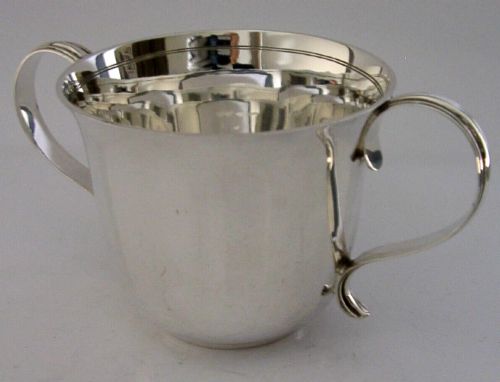
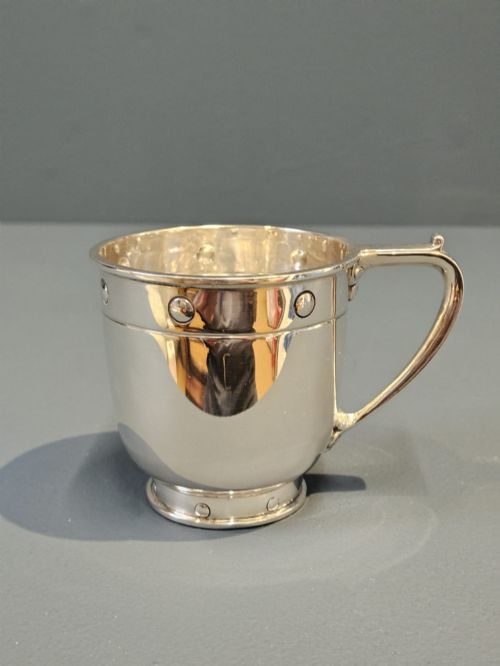
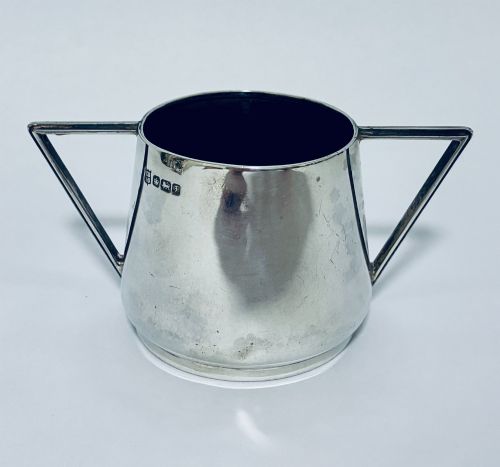
An antique sterling vessel covers a wide domestic and ceremonial category, ranging from Georgian teapots and christening mugs to Edwardian mustard pots and sugar baskets. When searching for an antique sterling vessel, buyers encounter diverse forms shaped by changing social habits across Georgian, Victorian, Edwardian, and Art Deco periods.
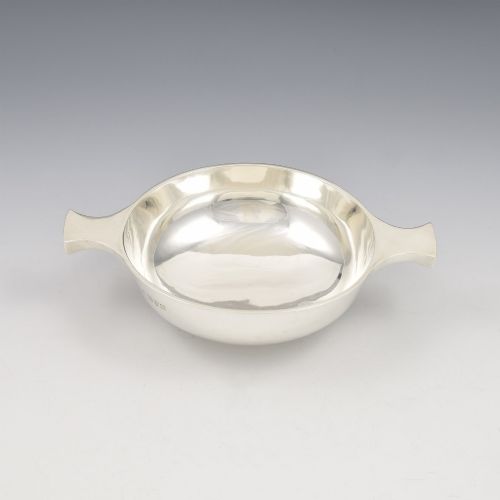
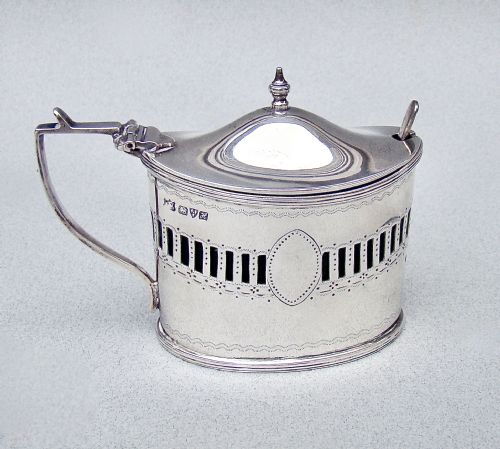
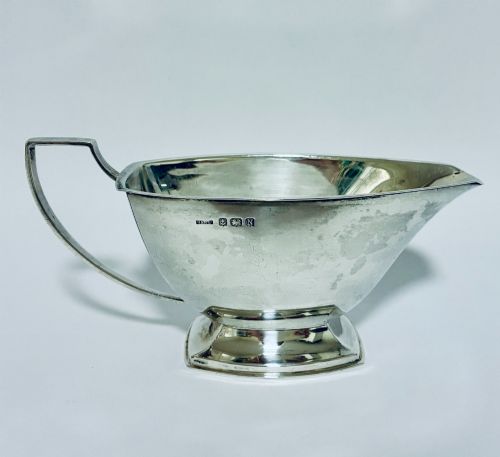
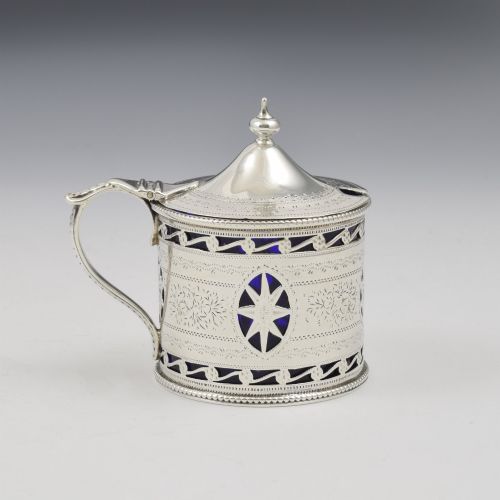
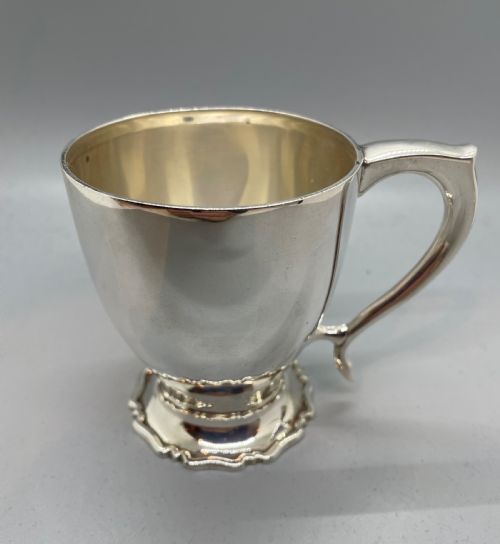
The selections span utilitarian tablewares like sauce boats, milk jugs, and condiment pots alongside ceremonial pieces such as quaichs, chalices, and tankards. Many incorporate glass liners, stoneware bodies, or gilt interiors, showing how silversmiths combined sterling silver with contrasting materials.
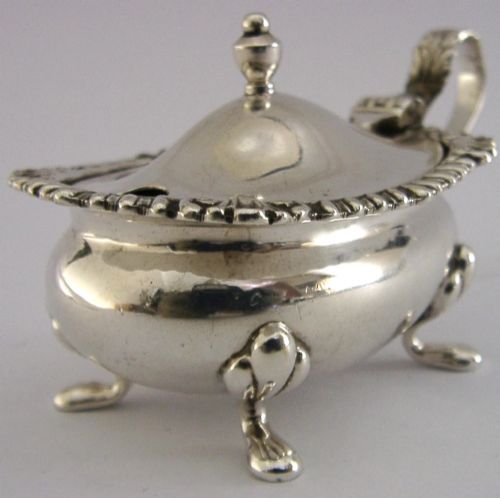
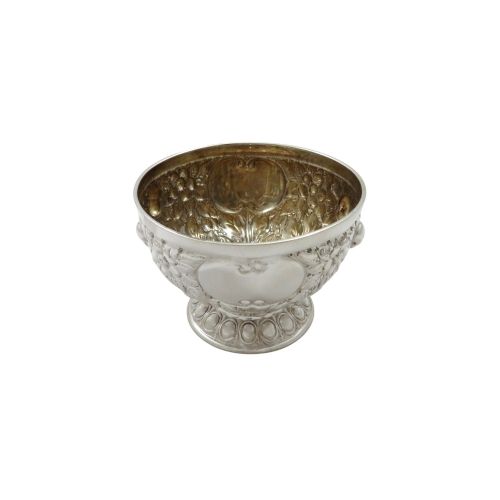
Regional British assay offices in London, Birmingham, Chester, Sheffield, and Newcastle stamp these items, alongside provincial and international marks. These holloware items reflect domestic utility, from small mustard pots with pierced sides to heavy two-handled porringer bowls.
Materials and construction methods
Makers fashioned an antique sterling vessel primarily from solid sterling silver, often hammering, casting, or raising the metal from flat sheets into holloware forms. Artisans also utilised silver gilt, cobalt glass liners, and stoneware bodies fitted with sterling collars and hinged lids.
Techniques such as piercing created intricate gallery work on drum mustard pots and sugar baskets, while handles and spouts were cast separately and soldered securely to bodies. Engraving, repoussé, and plain polished surfaces demonstrate the diverse workshop methods of period silversmiths.
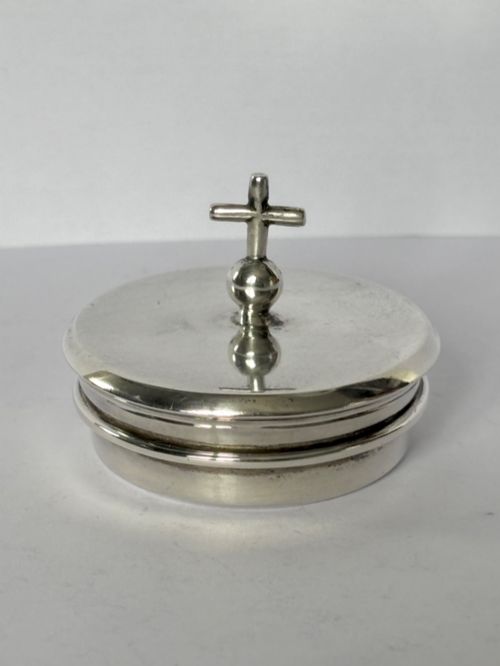
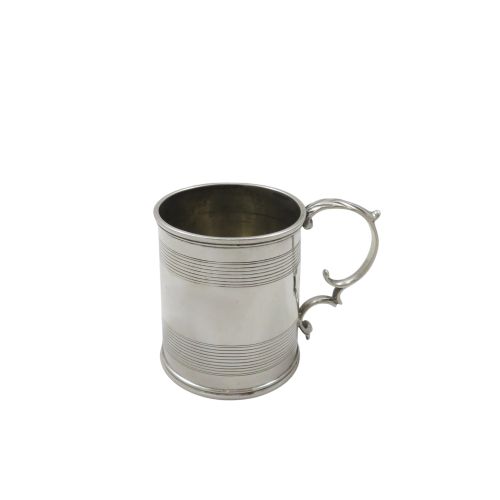
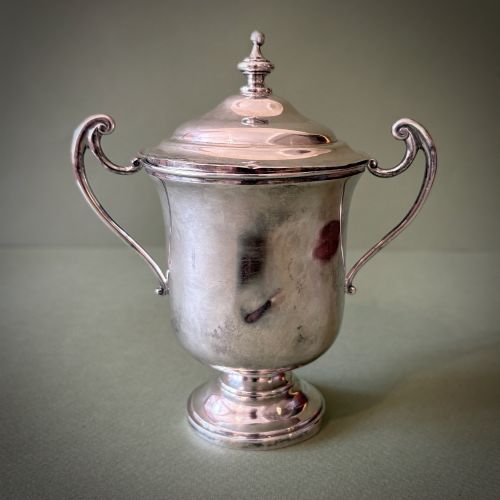
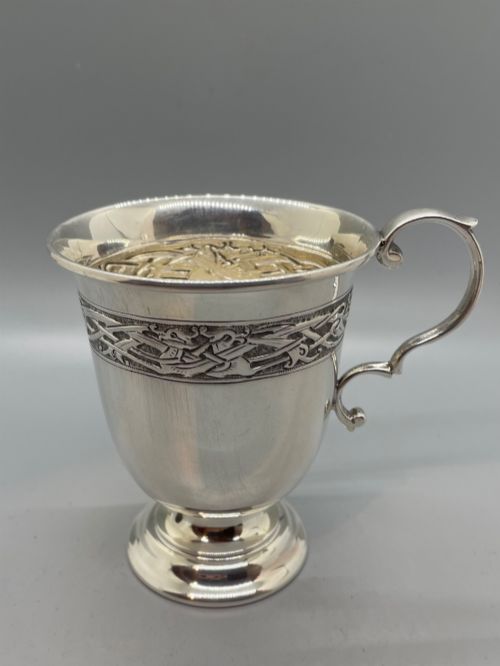
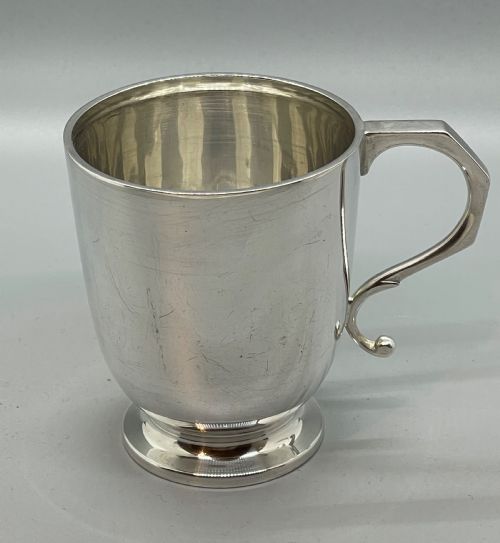
Object forms include mustard pots, tankards, quaichs, teapots, sauce boats, and ecclesiastical pyx boxes.
Judging the quality of holloware
The standard of an antique sterling vessel rests on the thickness of the silver gauge, the crispness of hallmarks, and the structural balance of handles and feet. Substantial weight in hand indicates superior metal content, particularly in large mugs, tankards, and bowls.
Artisanal precision in piercing, secure hinge action on lidded pots, and intact original glass liners elevate a piece above standard domestic output. Maker attribution to notable workshops further distinguishes exceptional examples from routine manufacturing.
Nathan and Hayes·Barker Bros·Alfred Marston·F. Osbourne & Co·Paul Storr·Charles Fox II·John Payne·William Grundy·Mappin & Webb·Walker & Hall
The Antique Sterling Vessel Glossary
- Sterling silver
- A silver alloy containing 92.5 percent pure silver by mass, with the remainder consisting of other metals like copper. This standard alloy provides the durability necessary for functional holloware and tableware.
- Holloware
- A category of silver items that includes vessels designed to hold contents, such as teapots, jugs, tankards, bowls, and sugar baskets, as distinguished from flatware.
- Hallmark
- A series of official marks stamped on items to indicate the standard of silver fineness, the assay office, the maker's mark, and the date letter.
- Quaich
- A traditional two-handled shallow drinking vessel originating in Scotland, often fashioned in sterling silver with lugs or handles.
- Porringer
- A small, shallow bowl equipped with one or two horizontal flat handles, traditionally used for porridges or broths.
Antique Sterling Vessel: Frequently Asked Questions
What is an antique sterling vessel used for?
These items served various practical and decorative roles in the home, functioning as containers for tea, milk, mustard, sugar, and liquids. Tankards and mugs held drinks at table, while pyx boxes and chalices served ecclesiastical purposes.
Today, buyers utilise smaller pots for condiments and larger bowls or baskets for display or table service, integrating historical metalwork into modern domestic settings.
How do I date an antique sterling vessel?
Dating relies heavily on the assay office date letters and maker's marks stamped directly into the silver. Each city office used specific alphabetical cycles and shield shapes to denote the exact year of manufacture.
Stylistic indicators, such as the geometric lines of Art Deco or the classical proportions of Georgian design, help narrow the period when hallmarks are rubbed or illegible.
What does sterling mean on a silver vessel?
The term sterling denotes that the metal meets the official purity standard of 92.5 percent silver. British pieces carry the lion passant mark to signify this standard alongside the town mark and date letter.
This composition ensures the vessel remains strong enough for daily use while retaining the lustrous appearance of precious metal.
How should I clean an antique sterling vessel?
Maintenance requires gentle cleaning with a specialist silver cloth or mild, non-abrasive silver polish to remove tarnish without harming the underlying metal. Avoid harsh chemical dips, which strip historical patina and damage fitted components like glass liners.
Regular handling and careful storage in dry environments help preserve the polished finish and structural integrity of the piece.