





Hammered Silver Cup
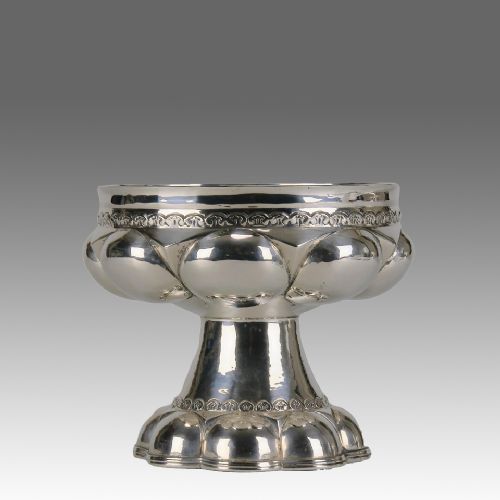
A hammered silver cup brings tactile hand-wrought texture to the table, spanning from late Victorian drinking vessels to mid-century ecclesiastical chalices.
Hammered Silver Cup
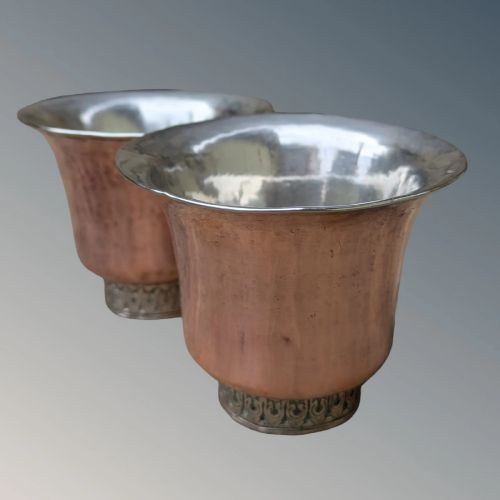
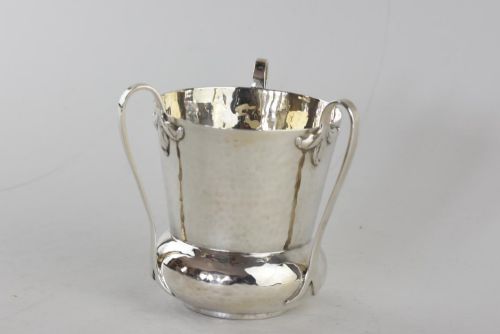
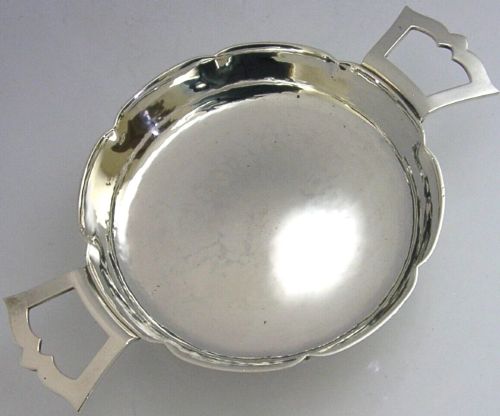
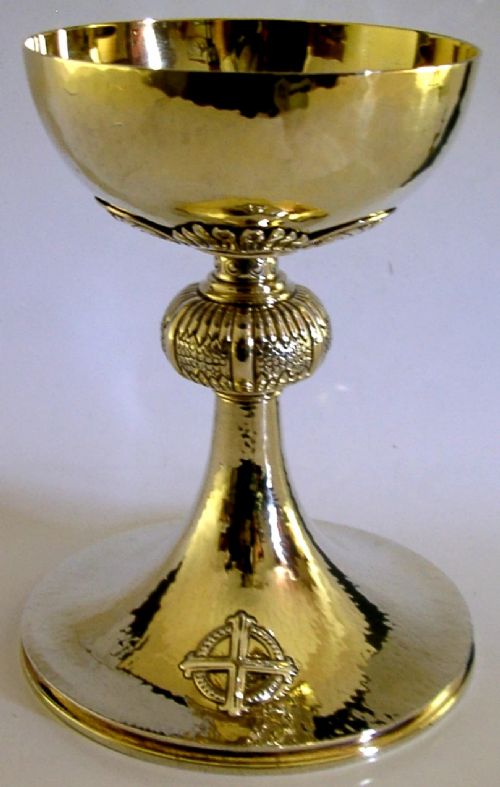
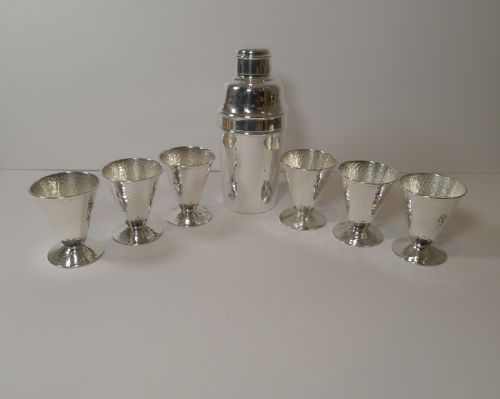
A hammered silver cup encompasses a broad variety of drinking vessels, ranging from Arts and Crafts quaichs and mugs to ecclesiastical chalices and cocktail shakers. When you search for a hammered silver cup, you encounter forms shaped by hand-working techniques across the late nineteenth, twentieth, and mid-century periods.
The most common examples you meet on this page belong to the Arts and Crafts tradition, alongside silver-gilt presentation pieces and pewter drinking vessels. Makers employed distinct styles including Celtic Revival, Art Deco, and mid-century ecclesiastical designs to shape these utilitarian and ceremonial objects.
Materials and construction methods
Silversmiths formed these vessels predominantly from sterling silver, silver-gilt, and pewter, often shaping the metal through planishing to create the characteristic faceted surface texture. Artisans hammered sheets of metal over stakes, leaving visible marks of the hammer that defined the exterior finish of chalices, beakers, and mugs.
Makers combined sterling silver with cut glass for portable items like hip flasks, while other pieces utilised silver plate or base metals for barware and mess hall cups. Gilding was applied to the interior surfaces of ecclesiastical chalices to protect the metal from the acidity of sacramental wine.
Hammered Silver Cup Retail Price Guide 2026
Typical asking prices for hammered silver cup among the pieces listed under this phrase on Sellingantiques today, from the lower quarter to the upper quarter. They describe what is for sale here now, not the wider market.
Listings feature works from the late Victorian period through the 1960s, spanning sterling silver, silver gilt, pewter, and silver plate.
Assessing quality and craftsmanship
Quality in a hammered silver cup rests upon the control and rhythm of the planishing marks across the surface, reflecting the skill of the individual silversmith. Finer pieces demonstrate careful gauge and weight of metal, ensuring balanced proportions between the bowl, stem, and foot.
Design integrity separates standard production items from workshop pieces created by notable makers or retailers. The crispness of applied ornament, such as Celtic Revival strapwork or cast handles, further distinguishes the top of the range.
R E Stone·Nathan and Hayes·Asprey London·Liberty Pewter Tudric
The Hammered Silver Cup Glossary
- Planishing
- The process of smoothing and shaping metal with a flat-faced hammer, leaving regular facets that catch the light. This technique provides both structural strength and decorative texture.
- Silver-gilt
- Sterling silver that has been coated with a thin layer of gold, commonly referred to as vermeil. It was frequently used inside chalices to prevent tarnishing and chemical reaction.
- Chalice
- A stemmed sacramental cup used during religious ceremonies for consecrated wine. These vessels often display heavier gauge silver and gilt interiors.
- Pewter
- An alloy of tin combined with copper, antimony, or bismuth. Arts and Crafts makers utilised it extensively for affordable yet artistic tableware.
Hammered Silver Cup: Frequently Asked Questions
What is a hammered silver cup used for?
These vessels served diverse functions ranging from everyday drinking mugs and cocktail preparation to ceremonial toasts and religious communion rites. Their specific use depended on the form, such as a quaich for social gatherings or a chalice for church services.
Over time, many of these cups transitioned from functional tableware into decorative display pieces or collectable examples of twentieth-century design.
How do I date a hammered silver cup?
Dating relies heavily on hallmarks stamped into the metal, which indicate the assay office, metal standard, and date letter for British pieces. Stylistic indicators also help, as Arts and Crafts pieces typically date from the late Victorian or Edwardian eras.
Art Deco and mid-century examples show distinct geometric forms or ecclesiastical styling that correspond to the decades following the First and Second World Wars.
What is the difference between sterling silver and silver plate?
Sterling silver consists of solid precious metal meeting a specific legal purity standard, usually containing nine hundred and twenty-five parts per thousand of pure silver. Silver plate involves a thin layer of silver bonded to a base metal core, such as copper or nickel brass.
Solid silver pieces bear hallmarks identifying the maker and metal quality, whereas plated items generally carry maker-specific marks indicating the plating technique used.
How do I care for a hammered silver cup?
Maintenance requires gentle cleaning with a soft cloth and a reputable silver polish that does not strip the subtle texture of the planished marks. Avoid aggressive scrubbing or abrasive materials that can flatten the hand-wrought surface finish.
For silver-gilt or pewter items, use specialised cleaners appropriate for those specific metals to preserve their original appearance without causing damage.