



Antique Sterling Silver Goblet
An antique sterling silver goblet offers drinking vessels made of solid precious metal spanning George III to Art Deco periods.
Antique Sterling Silver Goblet
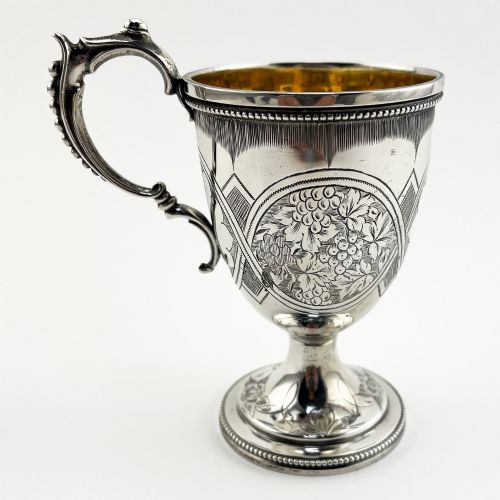
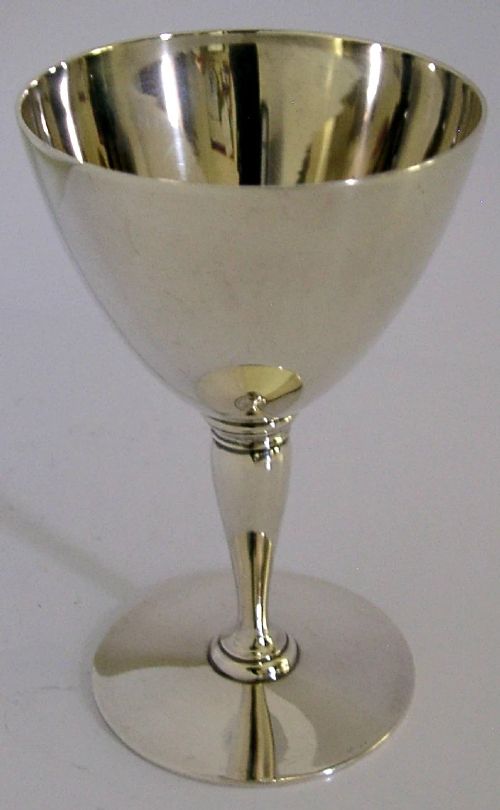
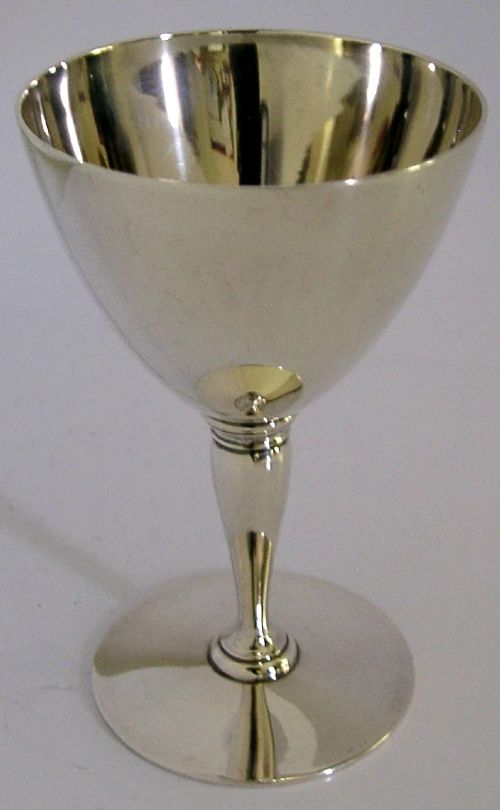
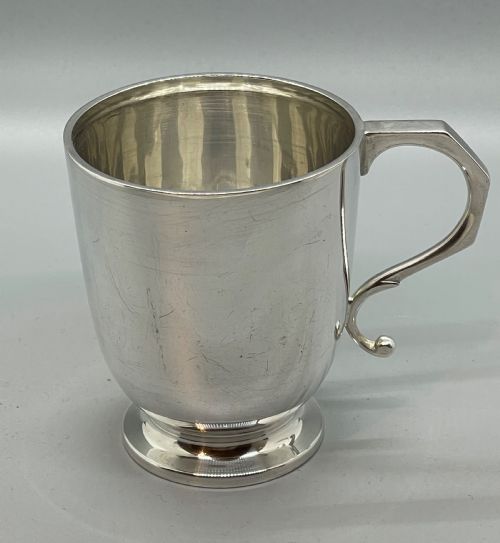
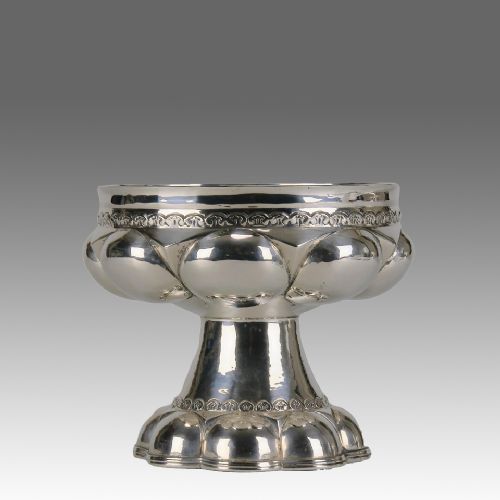
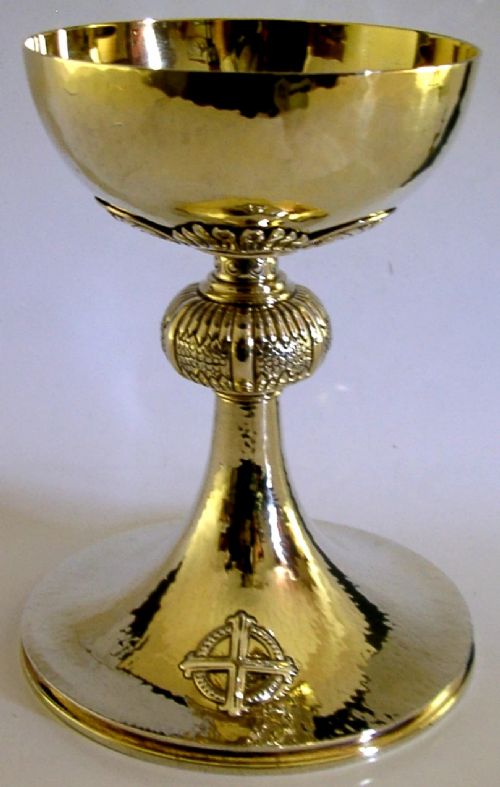
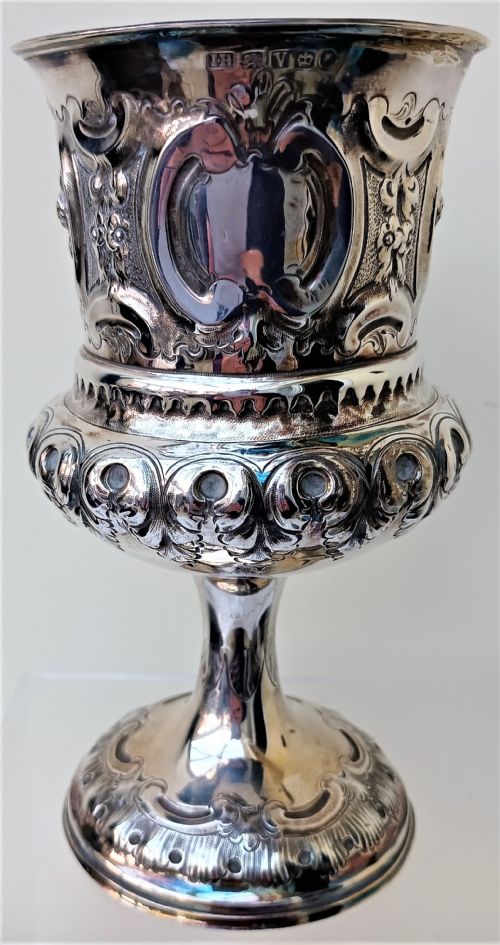
An antique sterling silver goblet represents a drinking vessel formed in solid silver, often encountered as a presentation cup, christening mug, or chalice from the eighteenth, nineteenth, and early twentieth centuries. These forms frequently emerge in styles such as Victorian, Georgian, and Art Deco, reflecting functional dining items as well as sporting and civic trophies.
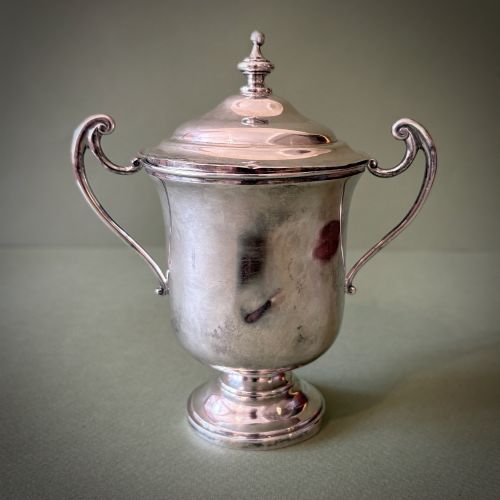
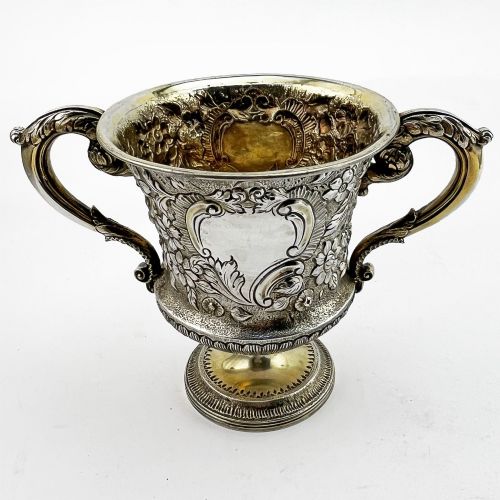
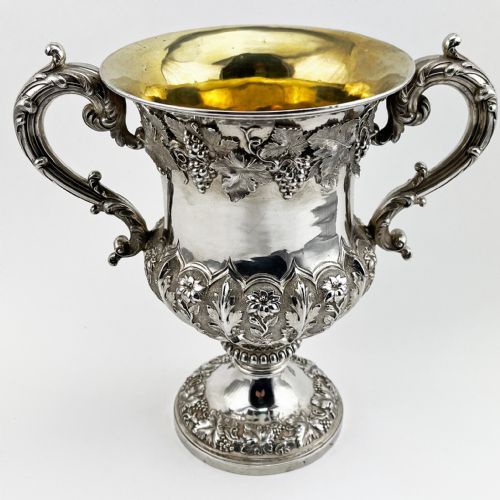
Buyers encounter distinct regional variations, including English sterling examples from London and Sheffield alongside Irish, American, German, and Chinese export pieces. The selection includes vaseshaped bodies, handled loving cups, lidded vessels, and parcel gilt interiors.
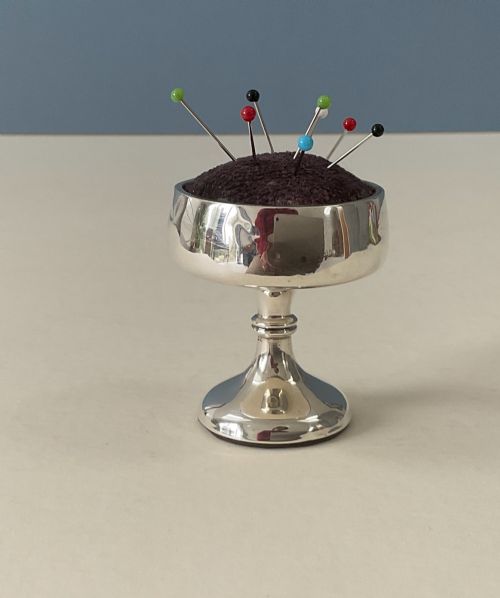
Vessels span utilitarian beakers and wine cups to heavily engraved presentation pieces and novelty items such as pin cushions.
How they were made
Silversmiths formed these objects primarily from sterling silver, occasionally utilising silver gilt, vermeil, or coin silver alloys alongside ceramic bodies mounted in silver or combined with velvet linings.
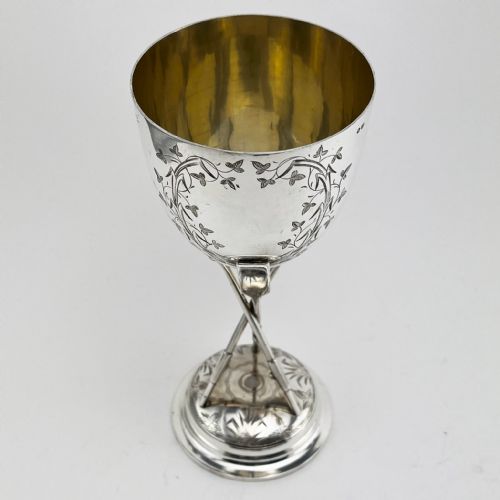
Manufacturing techniques combine traditional hammer work and raising with casting for handles and mounts, complemented by detailed hand engraving, bright cut decoration, and parcel gilding.
Some silversmiths turned solemn drinking vessels into playful novelty pin cushions and tiny musician table figures.
What varies in quality
Quality rests in the heaviness of the gauge, the crispness of hand engraving, and the structural integrity of applied handles and foot rims. Maker marks and clear hallmarks add historical weight.
Design complexity separates standard utilitarian beakers from ambitious campana shaped cups, multi handled presentation trophies, and pieces retaining original gilding.
Nathan and Hayes·William Eaton·James Deakin and Sons·Henry Tatton and Son·Joseph Rodgers and Sons·Thomas Sutton·D and J Wellby·George Unite
The Antique Sterling Silver Goblet Glossary
- Sterling silver
- A silver alloy containing 92.5 percent silver by mass, with other metals constituting the remainder. This standard ensures durability for functional drinking vessels.
- Parcel gilt
- Silver objects that are partially gilded with a thin layer of gold on the interior or decorative details. This technique contrasts the white silver surface with golden highlights.
- Campana
- A bell shaped vessel form popular in classical designs. These cups flare outward towards the rim with a pedestal foot.
- Bright cut
- An engraving technique utilising faceted cuts to create brilliant reflective surfaces. Artisans carved geometric and floral patterns directly into the metal.
- Kiddush cup
- A ritual goblet used for blessing wine in Jewish traditions. These cups appear in various regional silver standards.
Antique Sterling Silver Goblet: Frequently Asked Questions
What is an antique sterling silver goblet?
An antique sterling silver goblet is a drinking vessel fashioned from solid silver during earlier centuries. These pieces encompass chalices, presentation trophies, and decorative wine cups.
Craftsmen produced them across various historical styles ranging from Georgian neoclassicism to Art Deco modernity.
How were silver goblets used historically?
These vessels served practical drinking functions at formal dinners and communal gatherings. Many were also commissioned as presentation pieces to mark sporting victories or christenings.
Some functioned as secular or religious ritual cups depending on their specific form and regional origin.
How do I care for a silver goblet?
Regular dusting and minimal handling preserve the surface integrity of antique silver. Cleaning requires specialised silver polish applied gently to avoid wearing down fine hand engraving.
Storing pieces in dry environments prevents excessive tarnishing over time.
How can I date my silver goblet?
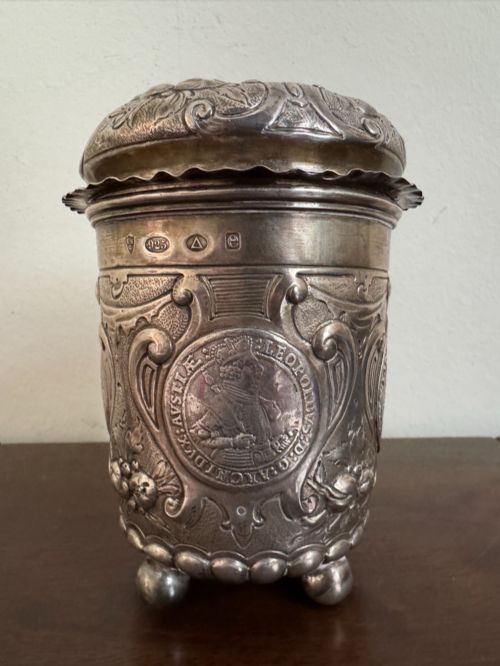
Hallmarks stamped into the metal provide the most reliable dating method for English pieces. These marks indicate the assay office, the year letter, and the maker's mark.
Stylistic elements such as bright cut engraving or Art Deco geometry offer additional chronological clues.