



Edwardian Silver Goblet
An edwardian silver goblet is a drinking vessel or presentation piece carrying the distinctive styles of the early twentieth century.
Edwardian Silver Goblet
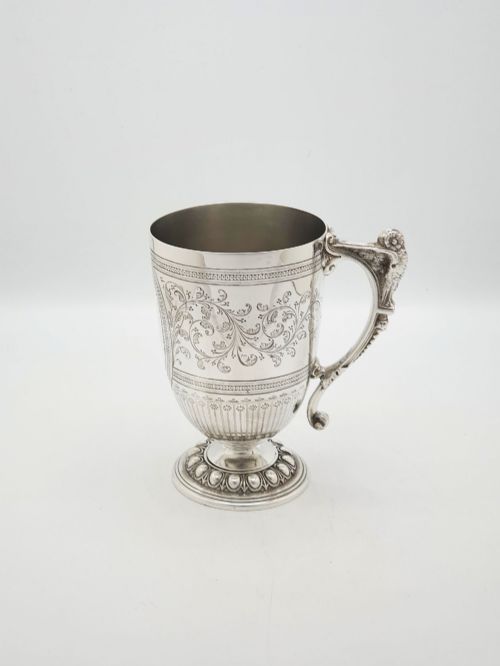
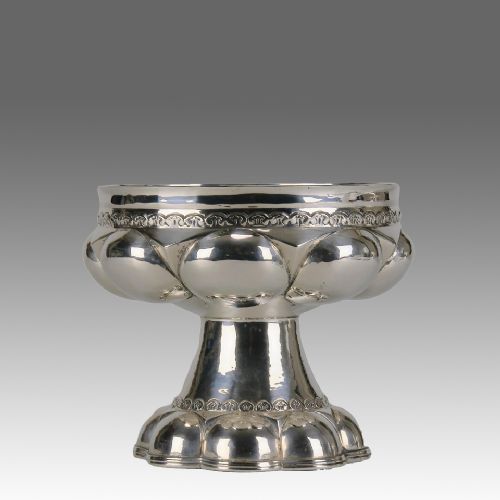
An edwardian silver goblet sits firmly within the drinking vessels and presentation cups collected today, taking the form of chalices, tankards, and loving cups. You will most frequently meet solid sterling examples produced in the opening decade of the twentieth century, often bearing clean classical lines or engraved floral decoration.
The form spans straightforward wine vessels through to heavily embellished sports trophies and presentation pieces commissioned for regattas and clubs. Many carry specific regional assay marks from major English offices, alongside German sterling and silver plate variations.
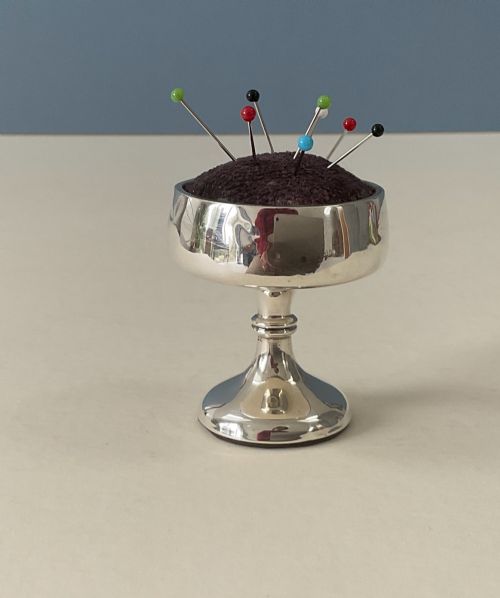
Beyond standard drinking vessels, the category broadens into novelty pin cushions shaped like goblets and heavy barware beakers. These diverse objects share a foundational trumpet foot and stem structure, whether rendered in plain polished metal or decorated with chased scrolls.
How they were made
Makers shaped these drinking vessels primarily from sterling silver or silver plate, utilising hammering, spinning, and casting techniques to form the bowl and stem. Surfaces frequently display chased floral motifs, embossed spiral fluting, or hand-engraved garlands applied directly to the metal body.
Specialised components such as cast figural handles, including owls, required separate manufacturing steps before being soldered to the main vessel. Artisans also applied partial gilding to the interior bowls of specific chalices and presentation cups to protect the metal from acidic wines.
Edwardian Silver Goblet Retail Price Guide 2026
Typical asking prices for edwardian silver goblet among the pieces listed under this phrase on Sellingantiques today, from the lower quarter to the upper quarter. They describe what is for sale here now, not the wider market.
Materials across these listings span sterling silver, silver plate, gilt, nickel silver, velvet, and gemstones.
What varies in quality
The standard of an edwardian silver goblet rests largely upon the thickness of the metal used for the bowl and the crispness of any hand-engraved or chased decoration. Heavier gauge silver retains its structural integrity and resists denting along the delicate rim and trumpet foot.
Maker attribution also dictates standing, with documented pieces from notable silversmiths demonstrating superior finishing on joints, handles, and heraldic engraving. The refinement of the cast stem and the depth of the assay marks further separate standard production items from bespoke presentation commissions.
Nathan and Hayes·Joseph Rodgers and Sons·D and J Wellby·William Hutton·Elkington and Co·Mappin and Webb·Walker and Hall
The Edwardian Silver Goblet Glossary
- Sterling silver
- A silver alloy containing 92.5 percent pure silver by mass, with the remainder usually copper. This standard composition is the primary metal found in these drinking vessels.
- Chased
- A metalworking technique where the artisan pushes the metal from the front using hammers and punches to create raised decorative patterns. It defines the floral and scroll designs on many bowls.
- Assay mark
- A stamp or series of stamps applied to precious metals indicating the standard of purity, the maker, and the office of testing. These marks provide definitive evidence of date and origin.
- Gilt
- A thin layer of gold applied to the interior surface of a silver vessel. This treatment prevented wine from tarnishing the base metal.
Edwardian Silver Goblet: Frequently Asked Questions
What were these goblets actually used for?
Many of these vessels functioned as formal presentation pieces, prizes for sporting regattas, and commemorative trophies rather than everyday tableware.
Others served as wine goblets on dining tables or were kept as decorative display items within affluent households.
How can I tell an Edwardian piece from a Victorian one?
Assay office date letters stamped onto the metal provide the most direct method for dating individual pieces accurately to specific years.
Stylistic shifts also help, as Edwardian pieces often transition away from heavy Victorian Gothic ornamentation toward lighter Neo-Renaissance or cleaner Art Nouveau lines.
How do I clean tarnished silver?
Gentle washing in warm water with a mild detergent and a soft cloth removes everyday dirt without harming the historic surface.
Specialised silver dips should be used sparingly, and abrasive cleaning pastes avoided entirely to preserve the original hallmarks and fine engraving.
Why do some goblets have gold inside the bowl?
Gilding the interior protected the pure silver from the corrosive acids found in red wine and port.
This technique also added a decorative contrast of colour between the polished exterior metal and the rich gold lining.