



Collectable Porcelain Cup
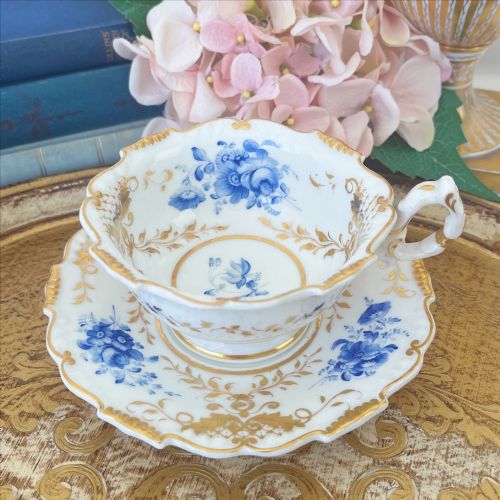
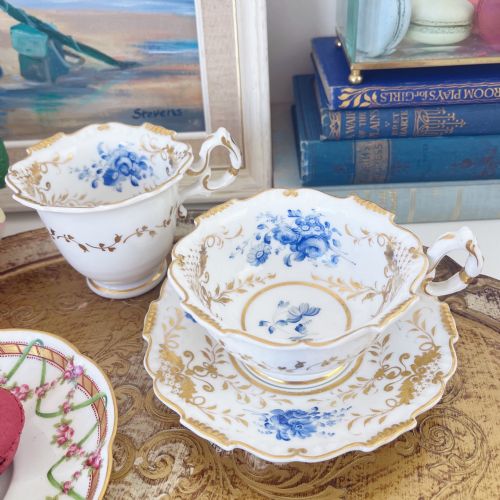
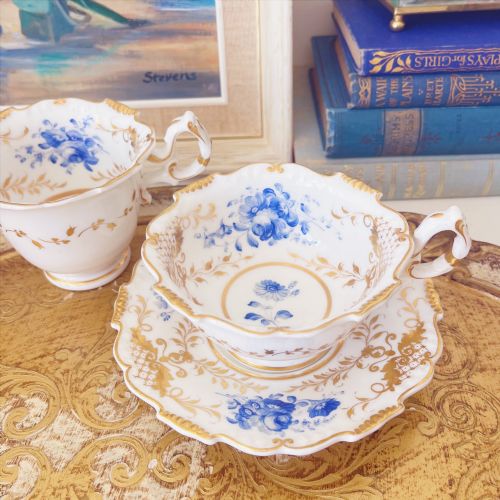
These collectable porcelain cup pieces are hand-painted ceramic vessels spanning the eighteenth and nineteenth centuries, offering a tangible link to historical tea rituals.
Collectable Porcelain Cup
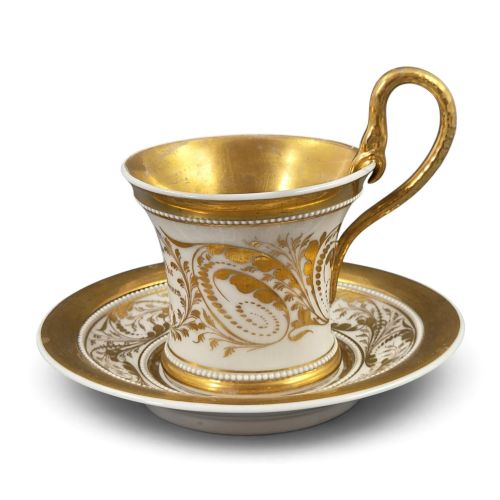
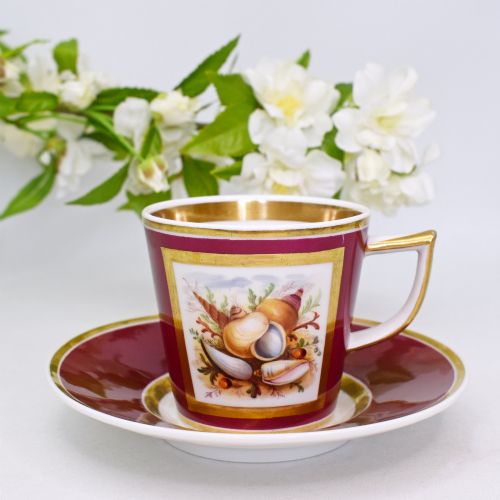
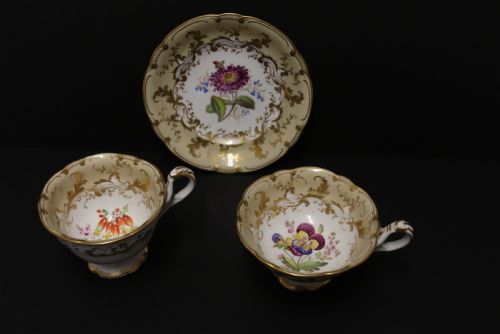
When you search for a collectable porcelain cup, you encounter forms ranging from tea bowls and saucers to cabinet trios, demitasse cups, porter mugs, and stirrup cups. The examples appearing on this page originate from periods such as the eighteenth century, the Georgian era, and the nineteenth century.
Most items you are likely to meet on this page take the form of teacups and saucers or coffee cups, often accompanied by matching saucers or forming part of a trio with an additional plate. English factories like Worcester, Derby, Rockingham, Davenport, and H & R Daniel dominate the offerings alongside continental makers.
Forms extend from simple tea bowls to specialised presentation pieces, porter mugs, and miniature tygs. These objects reflect the changing domestic habits of tea and coffee drinking across successive generations.
How they were made
The makers of these objects utilised hard-paste porcelain and bone china, shaping them into delicate drinking vessels and heavier mugs. Artisans applied hand-painted pigments directly to the ceramic body, often incorporating intricate pictorial scenes or repeating motifs.
Gold leaf, gilding, and enamel work provide the decorative highlights seen across these pieces. Kiln firing fixed the painted designs and metallic applications onto the porcelain surface, creating durable finishes that survived centuries of use.
Listings feature porcelain pieces spanning the eighteenth and nineteenth centuries alongside twentieth-century examples, utilising bone china, enamel, and gold leaf.
What varies in quality
The standard of painting distinguishes ordinary utilitarian items from superior cabinet pieces, with meticulous hand-painted details and topographical scenes indicating greater artistic skill. Factory attribution also influences standing, as marked pieces from established works command higher regard than unmarked wares.
The application of gilding and enamel work reveals differences in craftsmanship, where raised gold leaf and precise brushwork denote high-grade production. Preservation of the original ceramic body and the crispness of moulded relief details further separate standard vessels from exceptional examples.
H & R Daniel Shrewsbury·Royal Staffordshire Porcelain·KPM Berlin·Rockingham·Derby Porcelain·Flight Barr & Barr·Royal Worcester·Hutschenreuter·Davenport·Ridgeway
The Collectable Porcelain Cup Glossary
- Cabinet trio
- A matching set comprising a teacup, coffee cup, and saucer designed for display rather than robust daily use.
- Tea bowl
- A handleless drinking vessel used in early tea service before the widespread adoption of handles on cups.
- Demitasse
- A small cup used for serving strong coffee, typically accompanied by a matching saucer.
- Tyg
- A drinking vessel with multiple handles, appearing in miniature form among twentieth-century ceramic productions.
- Hard-paste porcelain
- A durable ceramic composition fired at high temperatures, prized for its vitrified body and smooth white surface.
Collectable Porcelain Cup: Frequently Asked Questions
How do I date a porcelain cup?
Dating relies upon examining factory marks stamped or painted on the base, stylistic traits such as Regency or Rococo Revival forms, and the composition of the ceramic body itself. Reference guides help match specific patterns and ciphers to known production periods.
Changes in handle shapes, saucer depths, and gilding techniques also offer strong chronological clues for eighteenth and nineteenth-century pieces.
What is a cabinet cup?
A cabinet cup is a decorative vessel made primarily for display in a china cabinet or on a mantelpiece rather than for serving tea or coffee.
These pieces often feature elaborate hand-painted landscapes, raised gilding, or presentation inscriptions that mark them out as luxury objects.
Can I use antique porcelain daily?
Using antique porcelain for daily dining is generally discouraged because hand-painted enamels and delicate gilding can wear away with frequent washing and use.
Gentle hand washing in lukewarm water without harsh detergents preserves the surface decoration and protects the fragile ceramic structure.
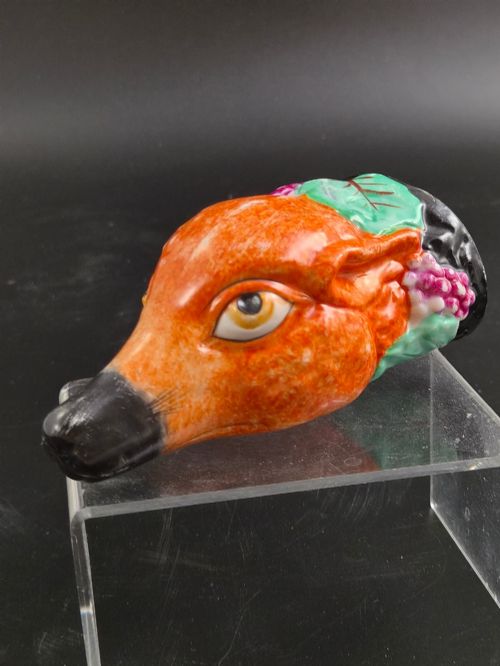
What is a stirrup cup?
A stirrup cup is a specialised drinking vessel shaped like an animal's head, historically handed to a rider on horseback before a hunt.
These ceramic pieces are heavily modelled and painted, serving as decorative display items in modern collections.