

19th Century Teacup
A 19th century teacup carries the social weight of a slower era, offering tangible craftsmanship and delicate painted detail that modern porcelain rarely matches.
19th Century Teacup
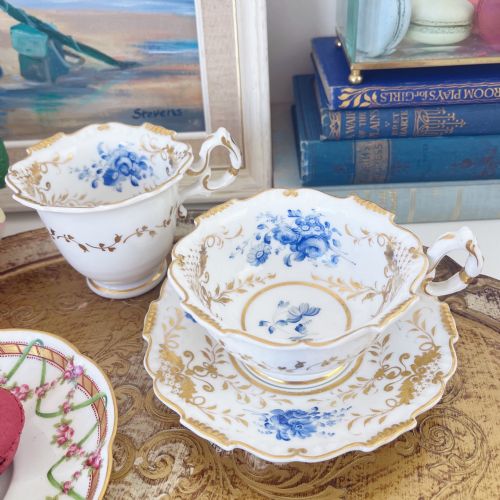
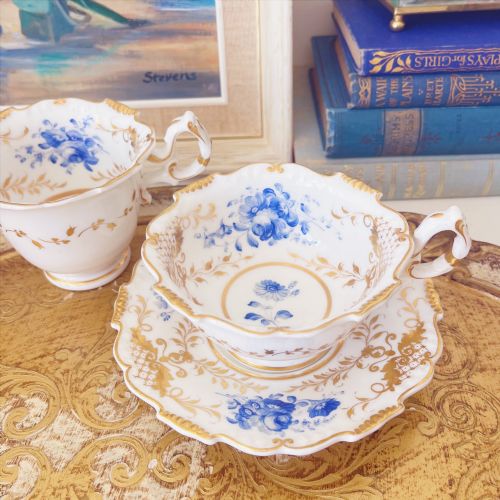
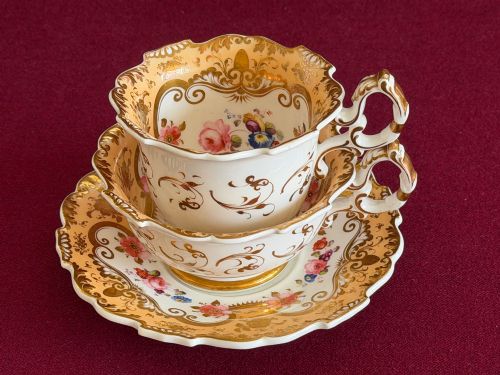
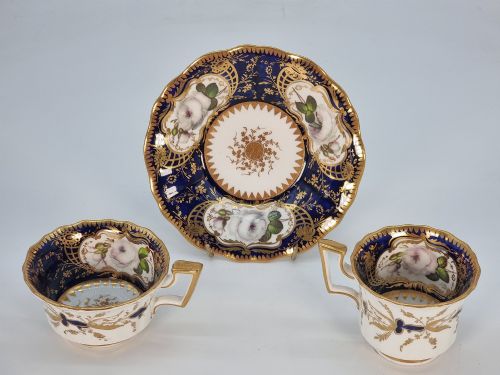
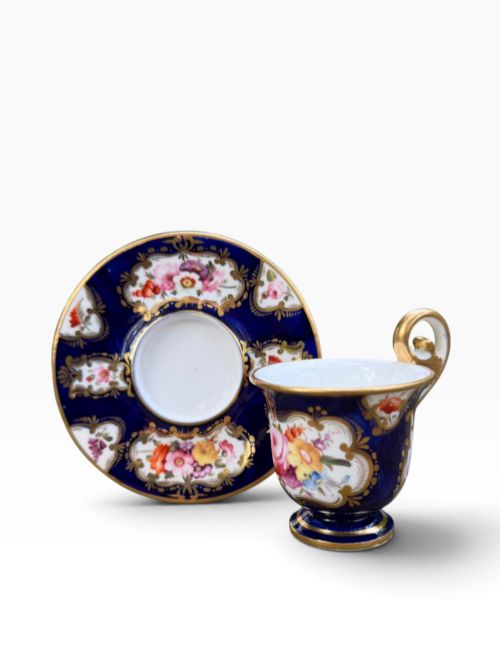
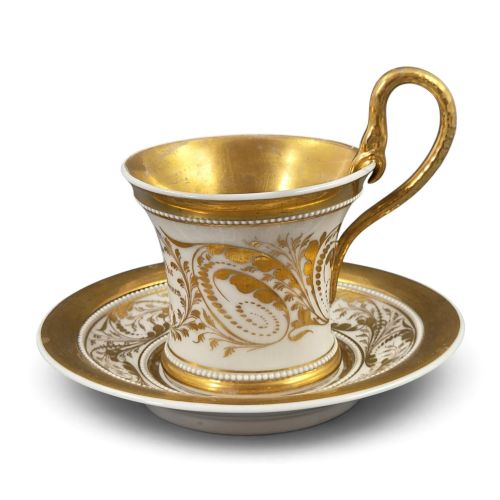
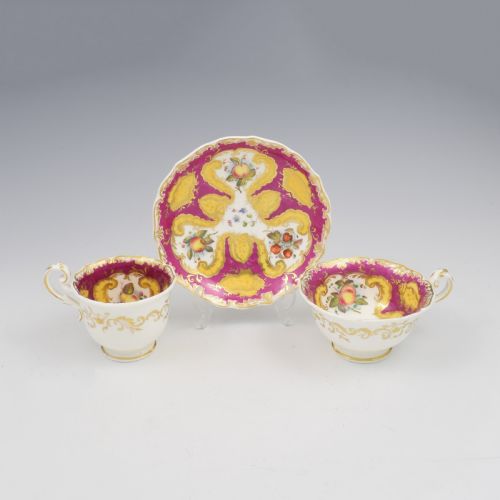
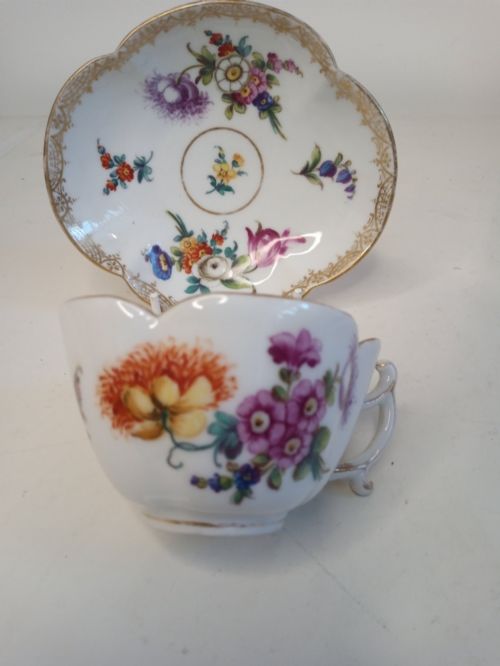
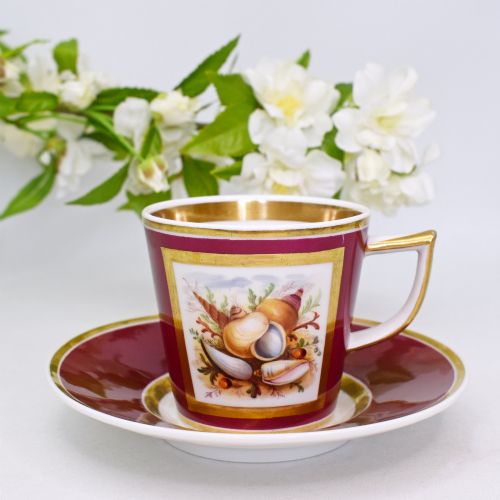
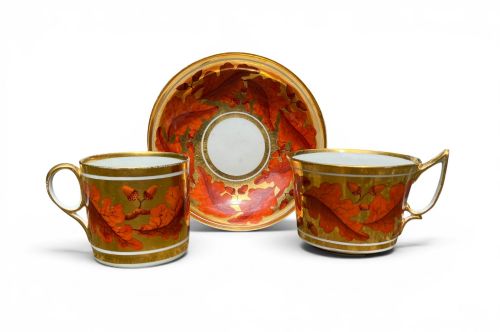
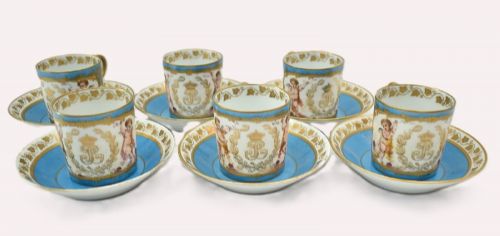
A 19th century teacup encompasses a wide variety of drinking vessels produced across European and Asian manufactories, ranging from single cups and saucers to extensive breakfast sets and trios. The most frequent encounters on this page are English porcelain cabinet cups and saucers from the Regency and Georgian periods, alongside continental porcelain and Chinese export wares.
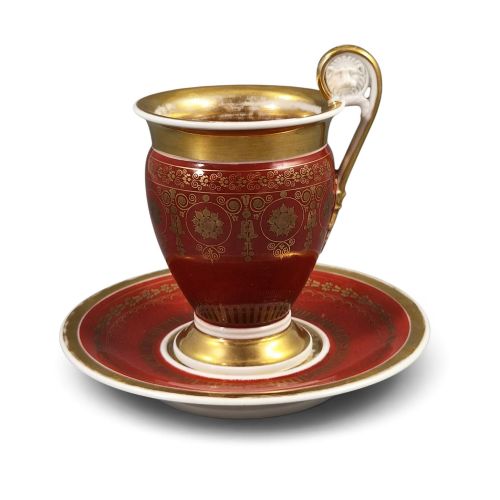
Makers produced these pieces in distinct forms such as teabowls, coffee cups, and larger breakfast cups, often accompanied by matching saucers. Styles shift from the neoclassical austerity of the early decades through the ornate flourishes of the Victorian era towards late nineteenth century revivalism.
Materials and Techniques
Potters relied upon porcelain, bone china, and hard-paste porcelain as the primary body materials, shaped either by throwing or through press-moulding techniques in factory settings. Artisans then applied underglaze painting, enamelling, and hand-gilding using gold leaf and liquid gold gilding to decorate the surface before firing.
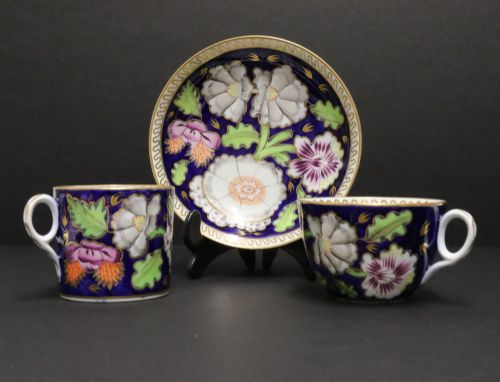
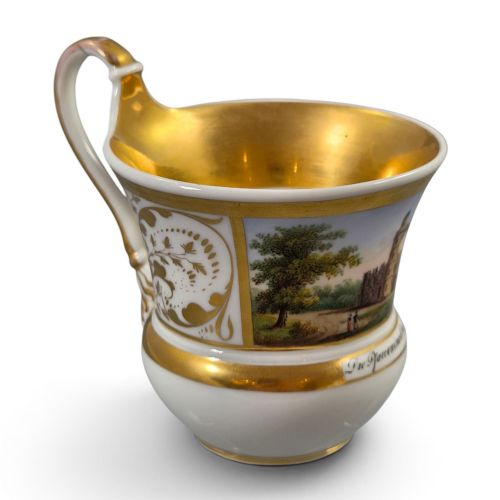
Specialised techniques varied by region, from the intricate handpainted topographical scenes on German porcelain to the ironstone bodies and vibrant enamel palettes utilised by English and Chinese workshops.
Some cups feature intricate handpainted insects buzzing near the rim, designed to trick unwary guests into brushing a fly away.
Distinctions in Quality
The finest pieces demonstrate precision in the ceramic body and exceptional skill in the handpainted decoration, where minute brushwork and thick, burnished gold leaf elevate the object. Lesser examples exhibit simpler transfer-printed designs, thicker, heavier porcelain bodies, and worn or flat gilding that lacks dimension.
The reputation of the manufactory also dictates standing, with documented output from leading houses commanding greater interest than unmarked provincial wares.
H and R Daniel·Newhall·Coalport·KPM Berlin·Rockingham·Derby·Sevres·Worcester·Flight Barr and Barr·Gardner·Moser·Davenport·Meissen·Masons·Minton·Spode
The 19th Century Teacup Glossary
- Cabinet cup
- A decorative cup and saucer intended for display in a cabinet rather than for daily use. These often feature elaborate topographical scenes or handpainted portraits.
- Trio
- A matched set consisting of a teacup, a coffee cup, and a matching saucer. This configuration was especially popular among early nineteenth century English makers.
- Hard-paste porcelain
- A durable ceramic composition made from kaolin and petuntse fired at high temperatures. It produces a dense, translucent body resistant to scratching.
- Bone china
- A type of soft-paste porcelain containing animal bone ash, which creates a milky white appearance and high strength. English factories adopted this material extensively.
- Gilding
- The application of gold leaf or gold paint to ceramic surfaces to accent rims, handles, and motifs. Burnished applications yield a bright, reflective finish.
19th Century Teacup: Frequently Asked Questions
How were these cups used?
Nineteenth century teacups served formal domestic tea and coffee rituals, operating as social currency in middle and upper class drawing rooms. Households utilised different cup shapes, such as deep teabowls or tall coffee cans, depending on the hot beverage served.
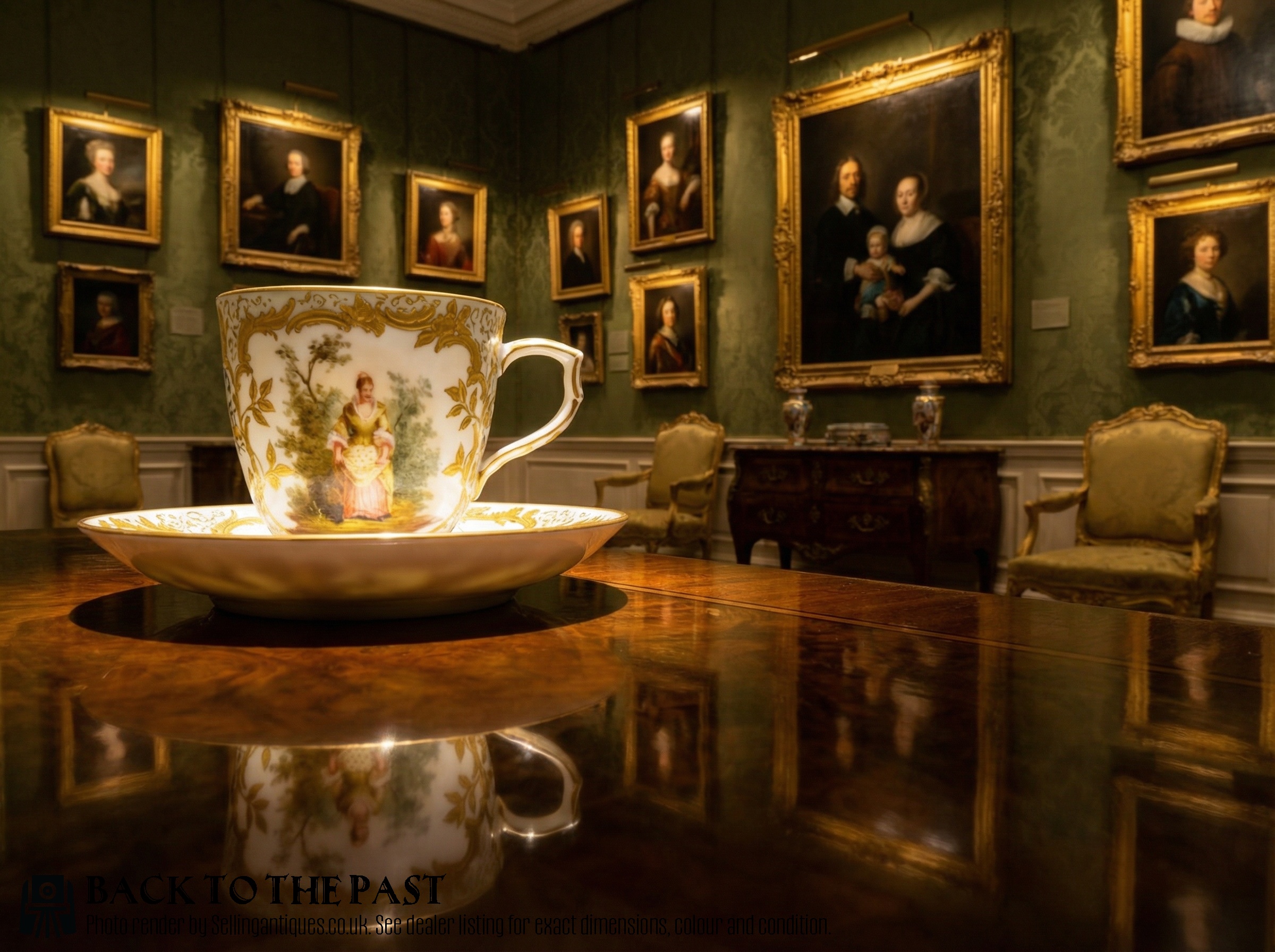
Finer cabinet cups were frequently kept on display behind glass rather than brought to the table, functioning as miniature canvases for handpainted landscapes and armorial crests.
How do I live with them?
Living with antique porcelain requires mindful handling, as centuries-old glazes and delicate gold leaf demand gentle care. Hand washing in lukewarm water with mild soap preserves the enamel and prevents damage to fragile handles.
Displaying pieces in secure cabinets or on dedicated stands keeps them safe from knocks while allowing the handpainted details to catch natural light in a room.
How can I tell the periods apart?
Early nineteenth century and Regency pieces typically display neoclassical motifs, elegant curving handles, and delicate, handpainted floral or botanical patterns on thin porcelain bodies. As the century progressed into the Victorian era and the eighteen-eighties, forms became heavier, incorporating bolder colours, enamels, and revivalist styles.
Examining the base for factory marks, pattern numbers, and the translucency of the paste helps anchor an item to a specific decade.
What is an export set?
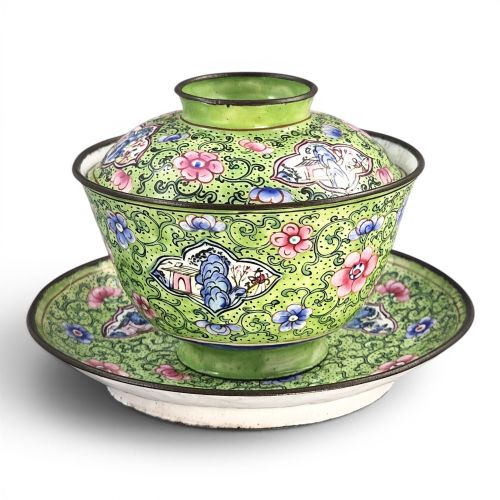
Export sets refer to ceramics manufactured in Asia, such as Chinese Canton wares or Japanese porcelain, specifically for the Western market. These pieces combine traditional local manufacturing methods with decorative motifs tailored to European tastes.
They often feature dense enamel palettes depicting figures, birds, and intricate foliate borders characteristic of mid to late nineteenth century trade output.