


Antique German Cabinet Cup
These antique German cabinet cup pieces are small, finely decorated display vessels that collectors prize for their intricate topographical paintings and porcelain artistry.
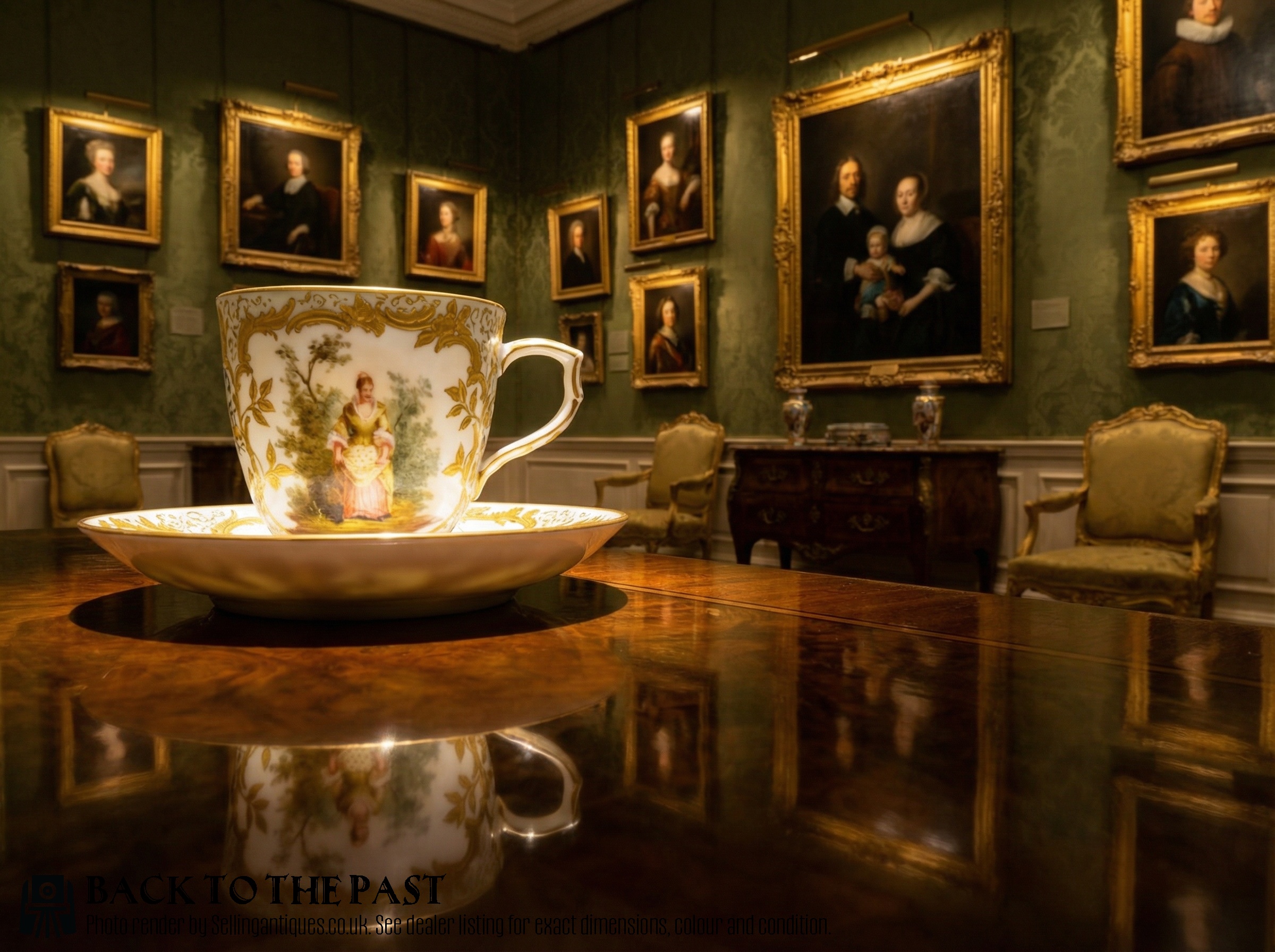
Antique German Cabinet Cup
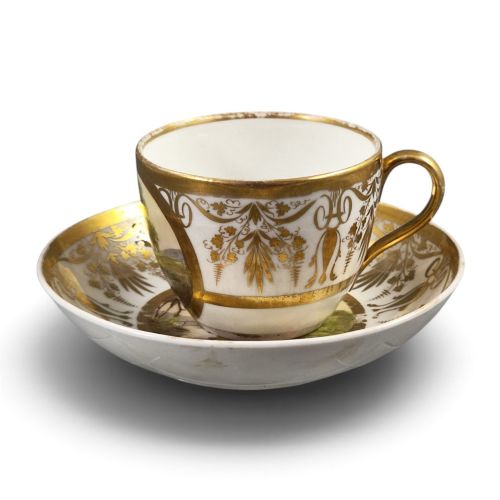
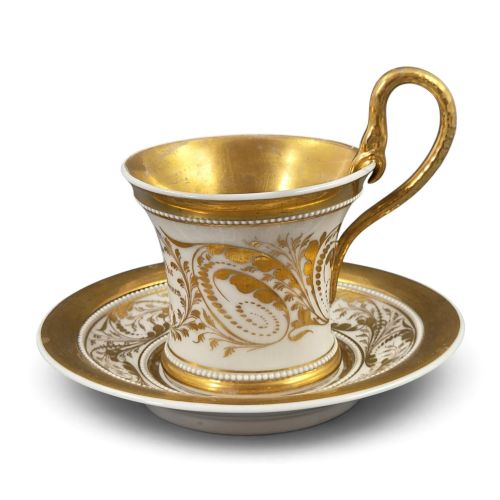
An antique german cabinet cup represents a distinct category of decorative porcelain designed primarily for display rather than everyday dining use. These pieces often take the form of demitasse cups, miniature vessels, and pedestal cups accompanied by matching saucers.
Buyers encounter distinct historical styles across the inventory, ranging from the restrained lines of Biedermeier to ornate Rococo Revival, Neoclassical, and Empire designs. Hand-painted topographical landscapes and presentation motifs appear frequently among the available items.
How they were made
German manufactories utilised hard-paste porcelain as the primary body for these vessels, fired at high temperatures to achieve a durable and bright white ceramic base. Artisans then applied smooth glazes to prepare the surface for subsequent decoration.
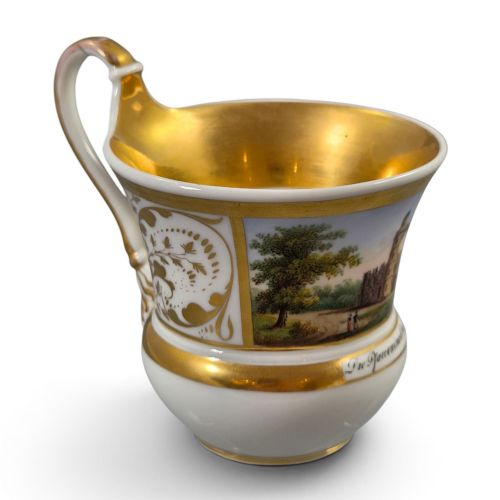
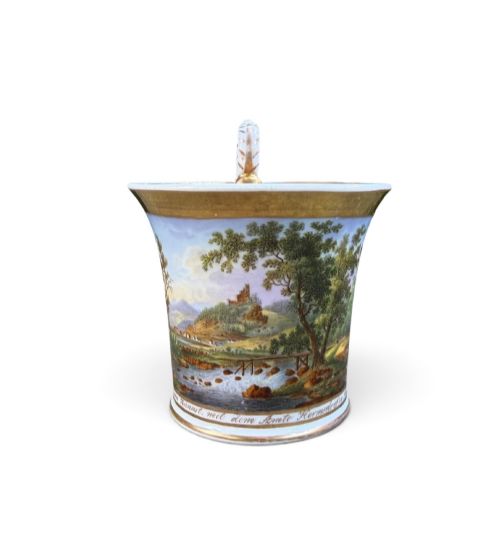
Skilled painters executed detailed hand-painted landscapes and miniature scenes directly onto the porcelain body using specialised enamel pigments. Craftsmen also incorporated gold leaf and gilding, framing the painted panels and highlighting handles and rims.
Peacock Island near Berlin inspired topographical painters to capture its royal menagerie on delicate porcelain cups.
What varies in quality
The refinement of the hand-painted decoration separates standard production from exceptional examples, particularly in the precision of topographical landscapes and portrait miniatures. Superior pieces display meticulous brushwork and subtle tonal gradations within the enamel colours.
The application of gold leaf and gilding dictates value, where heavier, burnished gold embellishments indicate higher craftsmanship. Additionally, the prestige of the originating workshop, such as KPM Berlin or Meissen, influences the overall standing of the piece.
KPM Berlin·Meissen·Hutschenreuther·Hirsch Dresden
The Antique German Cabinet Cup Glossary
- Hard-paste porcelain
- A dense ceramic material composed of kaolin and petuntse, fired at very high temperatures to create a vitrified and durable body. This substance forms the structural foundation for fine German cabinet cups.
- Demitasse
- A small cup used for serving strong black coffee or espresso, frequently paired with a matching saucer. These vessels often serve as the physical form for cabinet cup displays.
- Gilding
- The application of gold leaf or powdered gold to the surface of porcelain to create decorative metallic accents. Artisans burnish this material to achieve a bright reflective finish.
- Topographical
- Pertaining to the accurate depiction of specific places, buildings, or natural scenery on a decorative surface. Painters utilised this genre to record recognizable German views and estates.
- Enamel
- A glass-like substance fused to the porcelain body through firing to provide permanent coloured decoration. These pigments retain their vibrancy and gloss over centuries.
Antique German Cabinet Cup: Frequently Asked Questions
What is a cabinet cup?
A cabinet cup is an ornamental porcelain vessel created for display in a cabinet or vitrine rather than for practical table use. These pieces showcase the artistic capabilities of major European porcelain houses.
They often feature elaborate hand-painted scenes, topographical views, and extensive gilding that distinguish them from ordinary teaware.
How do I identify KPM Berlin porcelain?
KPM Berlin pieces typically display factory marks underneath the glaze, most commonly the royal blue sceptre alongside various iron-red orb and letter cyphers. The quality of the hard-paste body and the precision of the hand-painted scenes also point toward this manufactory.
Most examples from this maker date from the nineteenth century and incorporate neoclassical or topographical motifs.
Were these cups used for drinking?
Cabinet cups were primarily intended for visual enjoyment and as presentation pieces rather than daily refreshment. Their delicate handles, miniature proportions, and heavy gilding made them unsuited for regular service.
Wealthy collectors historically housed them in specialised display cabinets alongside other fine ceramics.
What distinguishes Biedermeier style?
The Biedermeier style emphasises clean architectural lines, functional elegance, and domestic comfort rather than excessive ornamentation. Pieces from this period balance decorative painting with restrained geometric forms.
This aesthetic flourished in Germanic regions during the early nineteenth century.