

Gold Leaf Porcelain
Gold leaf porcelain brings together metallic brilliance and fired ceramic across centuries of European and Japanese workshops.
Gold Leaf Porcelain
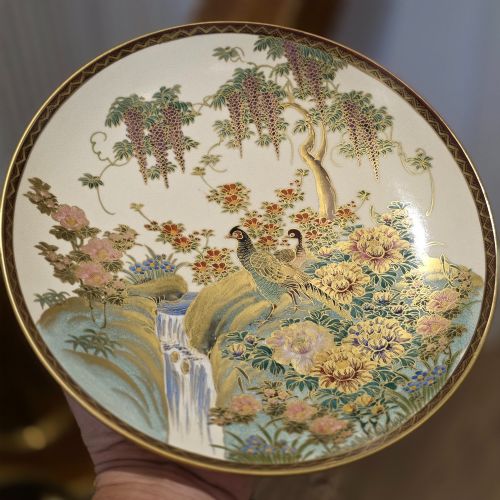
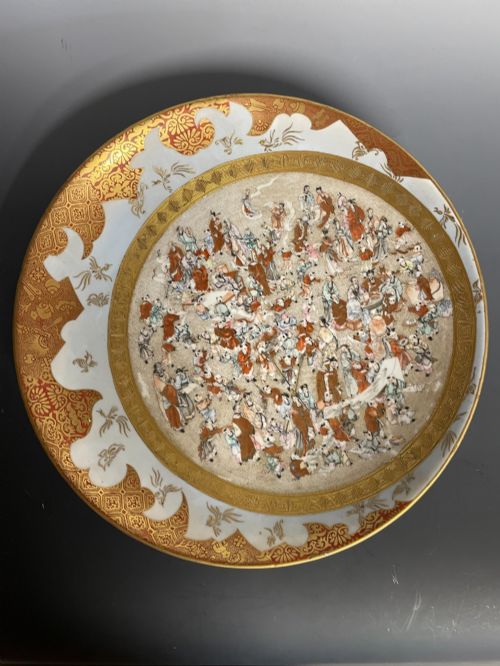
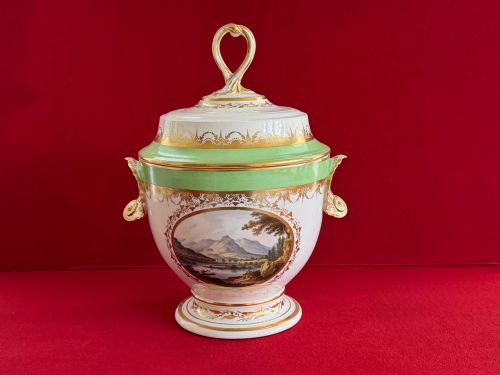
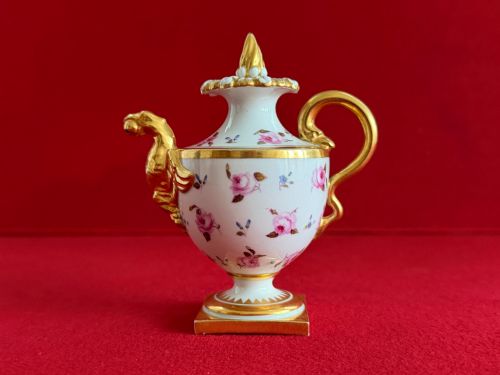
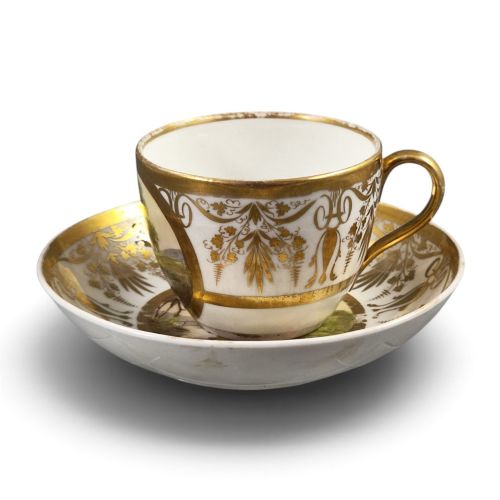
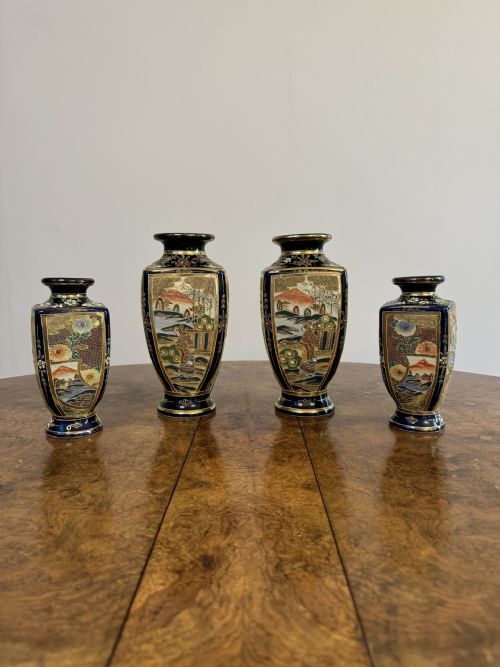
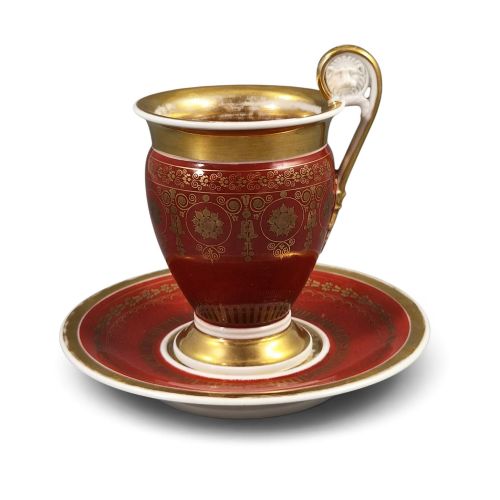
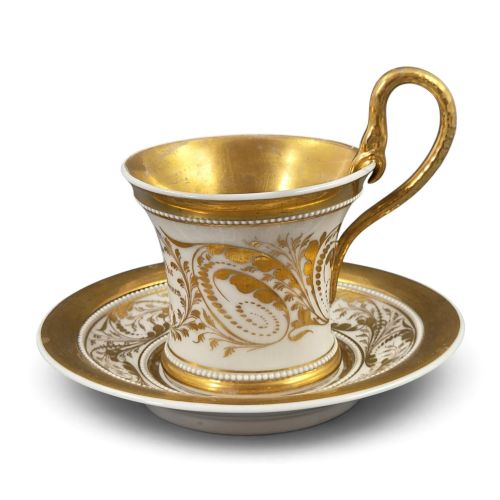
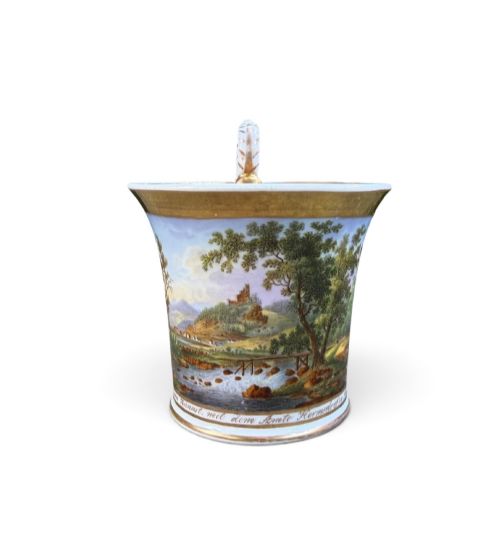
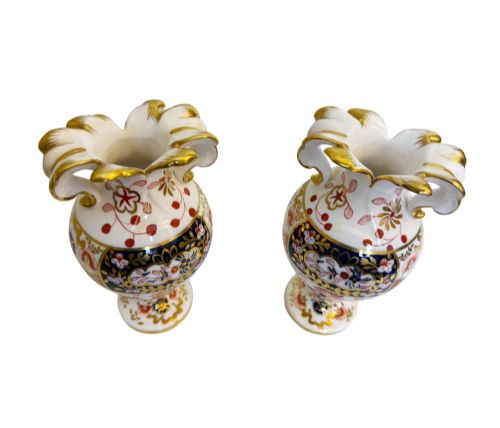
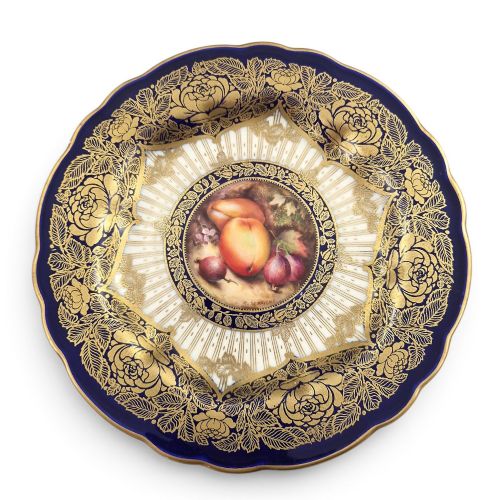
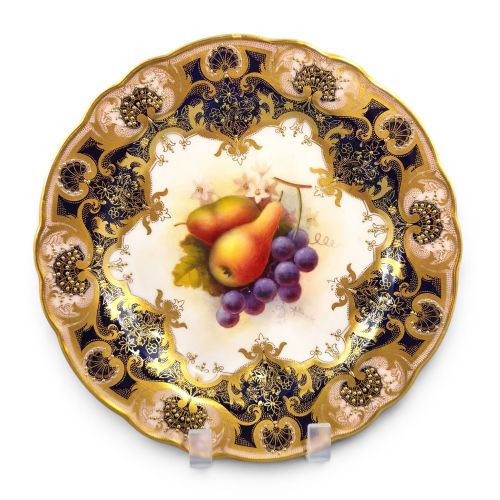
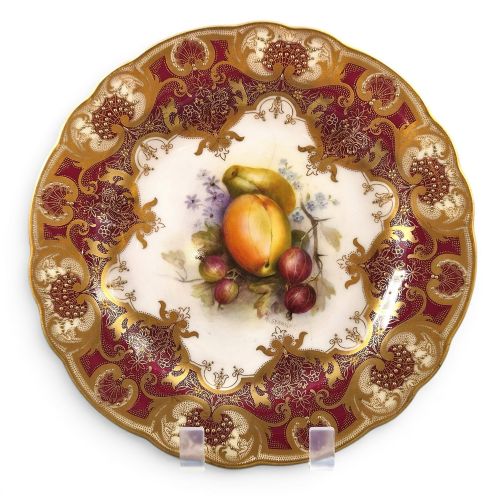
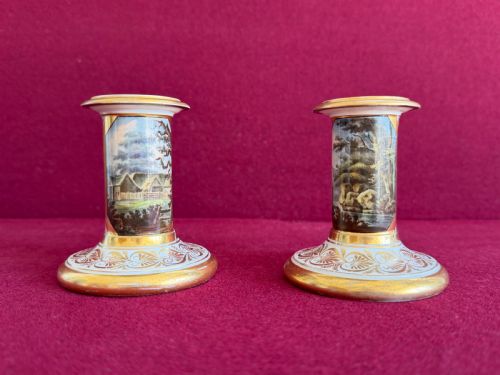
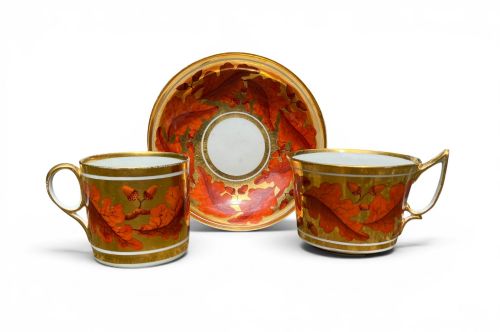
When you search for gold leaf porcelain, you encounter items shaped as vases, cabinet plates, teacups, saucers, and decorative dishes created across multiple periods including the Georgian, Regency, Victorian, and Edwardian eras.
The objects span diverse origins, featuring Japanese Satsuma, Arita, and Kutani wares alongside notable European factories such as Worcester, Derby, KPM Berlin, and Royal Worcester.
You are most likely to meet pieces decorated with gilt highlights, enamel, and hand-painted scenes resting upon porcelain, earthenware, and bone china bodies.
Materials and Technique
Makers shaped hard-paste porcelain, bone china, and earthenware bodies before applying intricate enamel colours and metallic applications.
Gilding and gold leaf were hand-applied and burnished to create luminous contrasts against cobalt blue grounds and blush ivory surfaces.
Some items feature hidden dragon compartments and mischievous cherubs climbing over baskets.
Evaluating Quality
The standard of painting on cabinet plates, cups, and vases dictates the distinction between standard production and masterwork pieces.
The precision of the gilding and the depth of the enamel work reveal the skill invested by the decorator and the standing of the factory.
Koshida·George Robertson·Flight, Barr and Barr·KPM Berlin·Spode·Royal Worcester·Royal Doulton·Kinkozan·Nanzan·Coalport
The Gold Leaf Porcelain Glossary
- Gilding
- The application of gold leaf or powdered gold to the surface of ceramic wares for decorative effect. This technique highlights handles, rims, and painted motifs.
- Hard-paste porcelain
- A dense, durable ceramic composed of kaolin and petuntse fired at high temperatures. It forms the robust base for many European and Asian decorative objects.
- Bone china
- A type of porcelain incorporating bone ash for enhanced translucency and strength. English factories frequently utilised this body for teacups and plates.
- Enamel
- Opaque or translucent glass fused to ceramics through firing to provide vibrant colour. Painters applied enamel alongside gold leaf to create pictorial scenes.
- Cabinet plate
- A decorative ceramic plate intended for display in a cabinet rather than dining use. These pieces often feature detailed hand-painted landscapes or fruit.
Gold Leaf Porcelain: Frequently Asked Questions
How should I display gold leaf porcelain?
Place cabinet plates, vases, and dishes in well-lit rooms away from direct, harsh sunlight to protect the enamel colours and delicate gilding.
Ensure shelves are stable and secure, as many antique porcelain forms have slender handles or raised decorative elements that require careful handling.
How do I clean gold leaf porcelain?
Dust pieces gently with a soft, dry brush or a clean microfibre cloth to remove surface particles without disturbing the metallic leaf.
Avoid immersing antique items in water or using harsh chemical cleaners, which can degrade the fragile historical gilding and enamel.
How can I tell the period?
Examine the factory marks stamped or painted on the underside of the base, along with the stylistic traits of the painted scenes and decorative motifs.
Compare the form and paste type against known production spans for European factories and Japanese kiln eras.
Were these items used daily?
Many teacups, saucers, and mugs served practical dining functions in period households, while elaborate garnitures and cabinet plates remained purely decorative.
Over time, highly decorated pieces transitioned into display objects to preserve the fragile gold leaf and hand-painted compositions.