



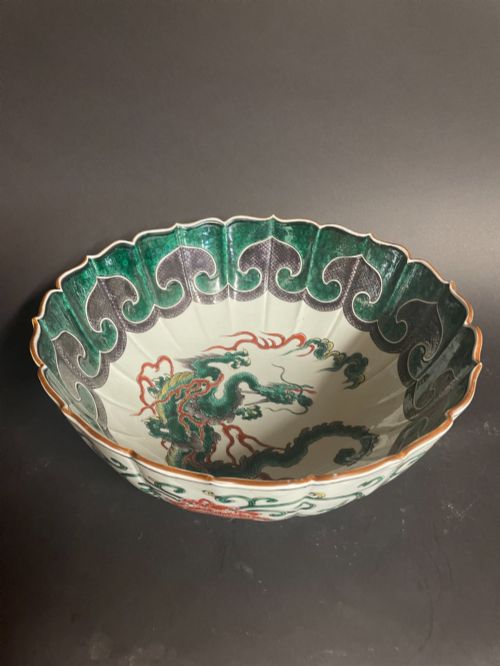
Vintage Ceramic Dish
A vintage ceramic dish brings substance to a table, offering hand-painted scenes, transfer-printed patterns or heavy ironstone forms from centuries past.
Vintage Ceramic Dish
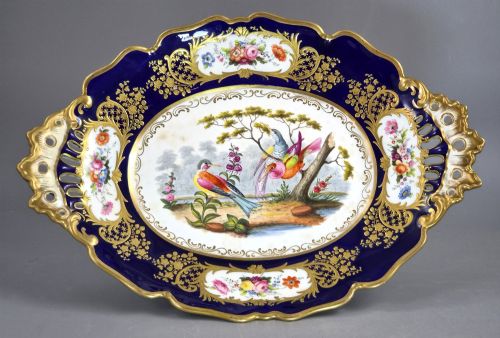
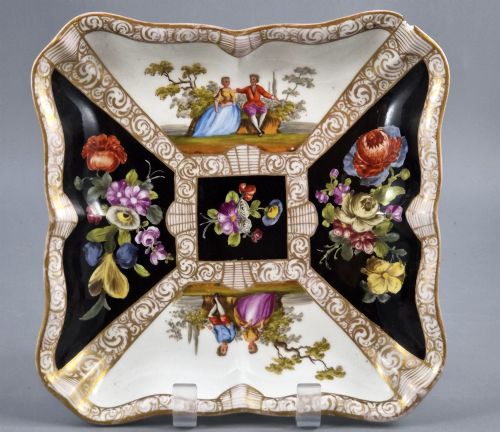
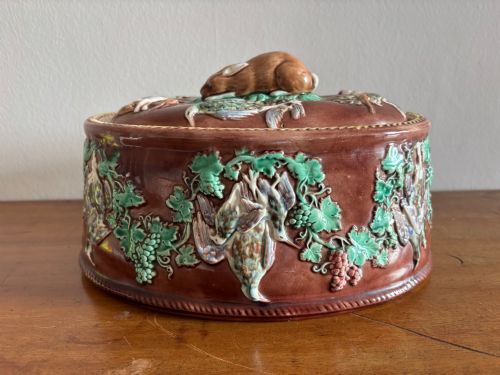
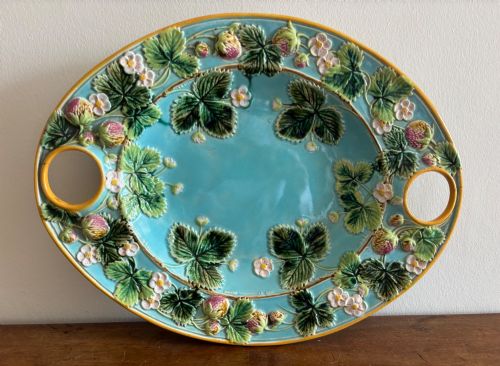
A vintage ceramic dish encompasses everything from large chargers and cabinet plates to heavy cheese domes and serving platters. When you search for a vintage ceramic dish, you encounter pieces that span the eighteenth, nineteenth and early twentieth centuries, created for both daily service and formal display.
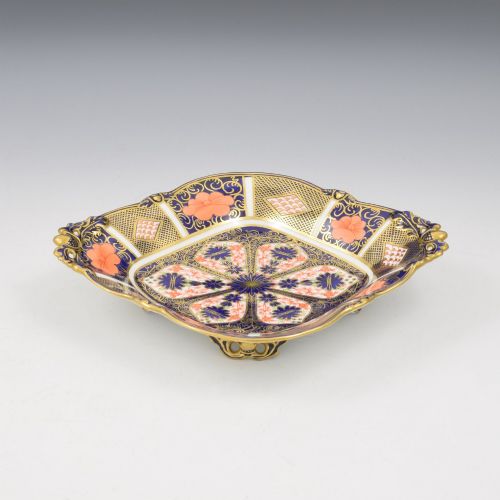
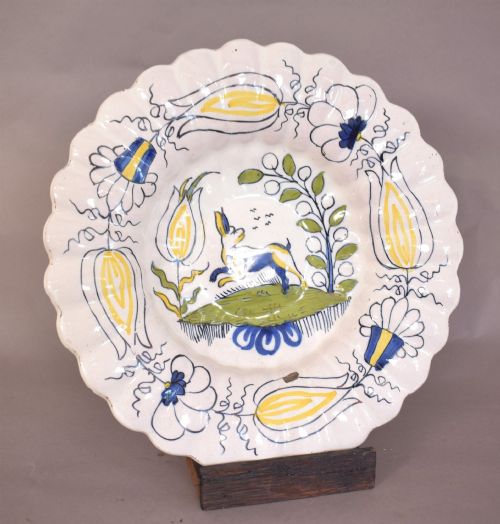
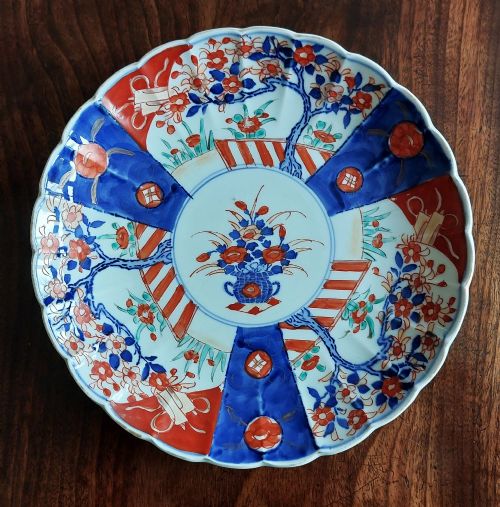
The selection ranges widely across origins and styles, bringing together English creamware and ironstone, continental faience and maiolica, alongside Japanese Imari porcelain. These forms served practical dining needs or sat on sideboards as decorative focal points.
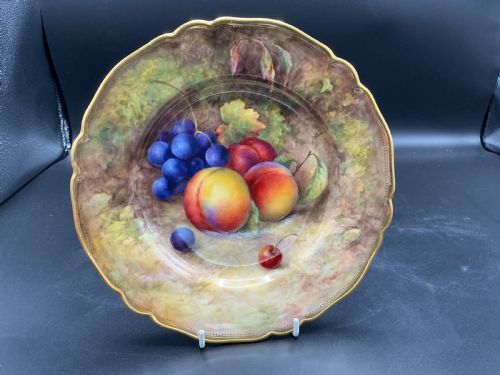
Victorian and Georgian pieces dominate the current selection, joined by Edwardian and Meiji period examples. You meet specialised items like game pie dishes and fruit plates alongside standard serving dishes.
Materials and methods
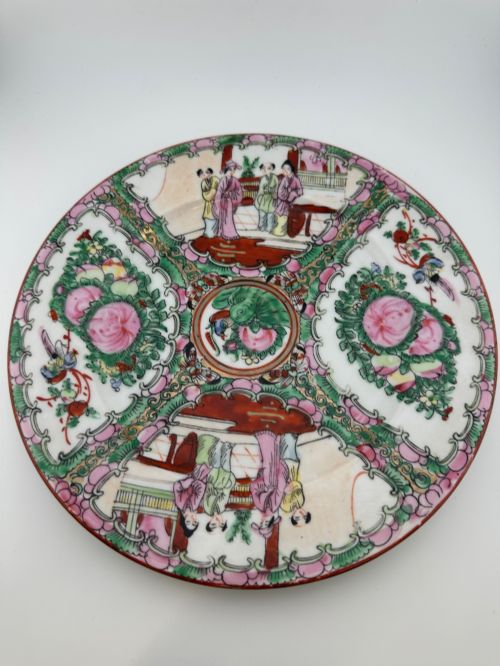
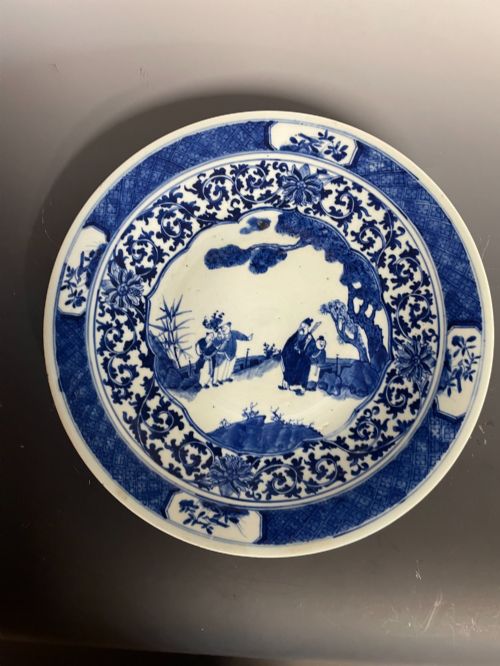
Potters shaped these pieces from earthenware, porcelain and terracotta, applying glazes to seal the porous bodies. Many items feature cobalt blue painting, polychrome enamels or transfer-printed scenes transferred directly onto the ceramic surface.
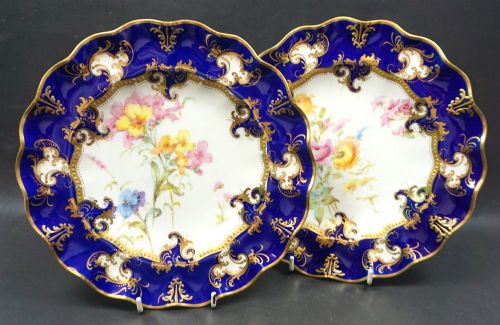
Makers added finishing touches such as gold leaf, gilding and gilt highlights to elevate cabinet plates and decorative chargers. Glaze formulations varied from the tin opacifications of delftware to the rich coloured lead glazes found on majolica pieces.
Listings feature earthenware, porcelain and tin-glazed faience spanning the eighteenth to the twentieth centuries.
Judging quality in ceramics
Quality rests upon the crispness of the moulding and the skill of the brushwork. Hand-painted fruit panels, detailed armorial crests and intricate transfer printing separate standard utilitarian vessels from superior cabinet pieces.
The weight and finish of the ceramic body also dictate standard. Dense ironstone, fine porcelain bodies and uniform glaze coverage distinguish the output of premier factories like Royal Worcester or Meissen from basic regional earthenware.
Coalport·Meissen·George Jones·Royal Worcester·Royal Crown Derby·Hicks And Meigh·John Rogers And Son
The Vintage Ceramic Dish Glossary
- Charger plate
- A large decorative plate or dish used traditionally as a base for other courses or displayed upright on a sideboard. These substantial pieces often feature elaborate painted or transfer-printed scenes.
- Cheese dome
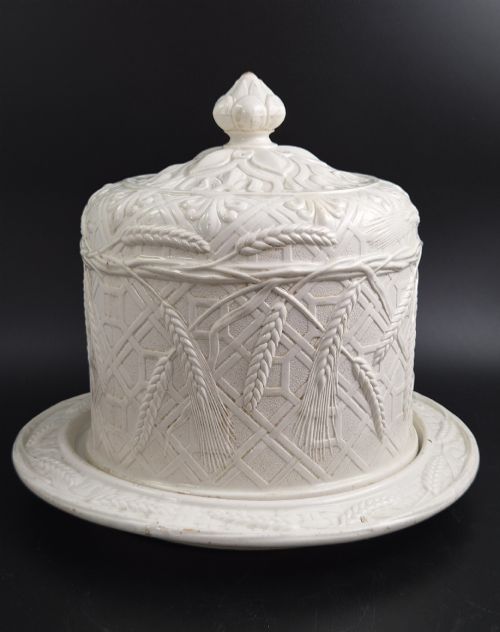
- A specialised ceramic cover and stand designed to keep cheese fresh on the dining table. They frequently incorporate moulded details like basket weave or plant motifs.
- Ironstone
- A heavy, durable type of earthenware patented in the nineteenth century to rival true porcelain. It withstands robust daily use while accepting crisp moulded patterns.
- Majolica
- A type of earthenware covered with an opaque tin glaze and painted with bright metallic oxide colours. It gained immense popularity during the Victorian era for dimensional fruit and floral designs.
- Transferware
- Pottery decorated by applying a printed paper design from an engraved copper plate onto the ceramic body prior to glazing. Blue and white transfer designs remain the most common expression of this technique.
Vintage Ceramic Dish: Frequently Asked Questions
How were cheese domes used?
Cheese domes served on the dining table to protect cheeses from drying out and to contain strong aromas between courses. The cover rested upon a matching ceramic stand or base.
Victorian households utilised these substantial pieces during formal dinners and informal family meals alike, often selecting designs featuring botanical or natural motifs.
What is the difference between a charger and a plate?
A charger is significantly larger than a standard dining plate, historically functioning as a base setting beneath other service dishes or displayed upright on walls and cabinets.
These pieces typically showcase more elaborate hand-painted decoration, armorial crests or transfer-printed scenes than everyday tableware.
Can I use antique ceramic dishes for food?
Most decorative plates, chargers and cabinet pieces suit light serving duties or display purposes rather than heavy everyday dining. Earthenware bodies with older glazes can absorb liquids or show wear from modern cutlery.
Examining the individual glaze condition helps determine whether a piece remains suitable for culinary use or belongs safely on display.