


Victorian Derby Porcelain
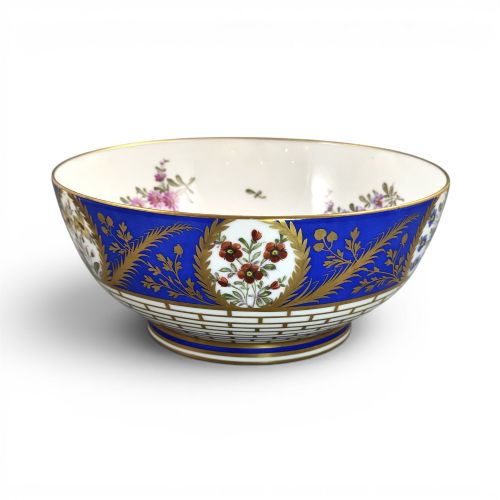
Victorian derby porcelain encompasses refined ceramics, delicate figurines and ornate tableware shaped by the rich heritage of nineteenth-century kilns.
Victorian Derby Porcelain
Victorian derby porcelain represents a diverse category of nineteenth-century ceramics, spanning functional tea sets, decorative vases and intricate figures. Collectors seek these pieces for their intricate painted details and historical connection to renowned kilns.
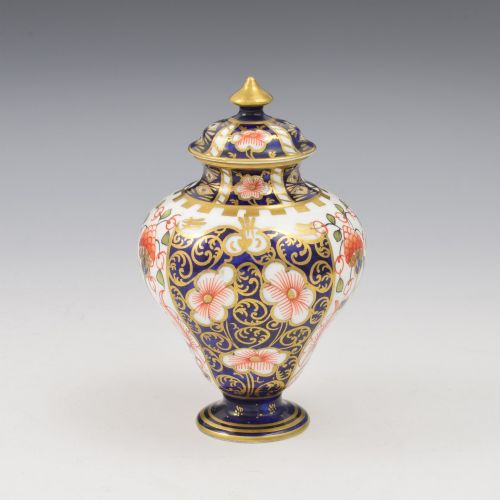
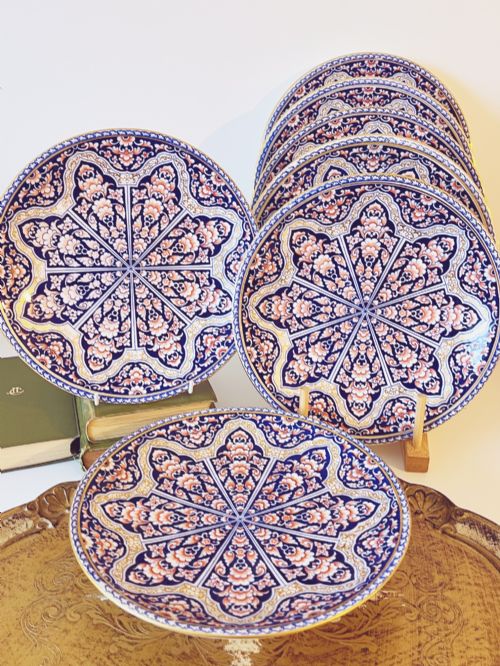
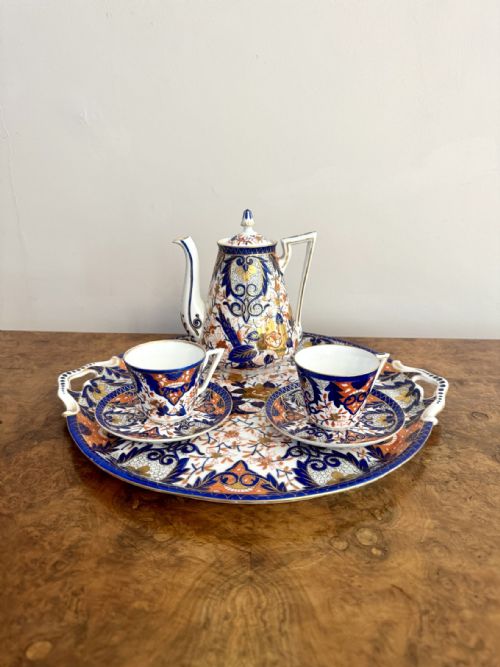
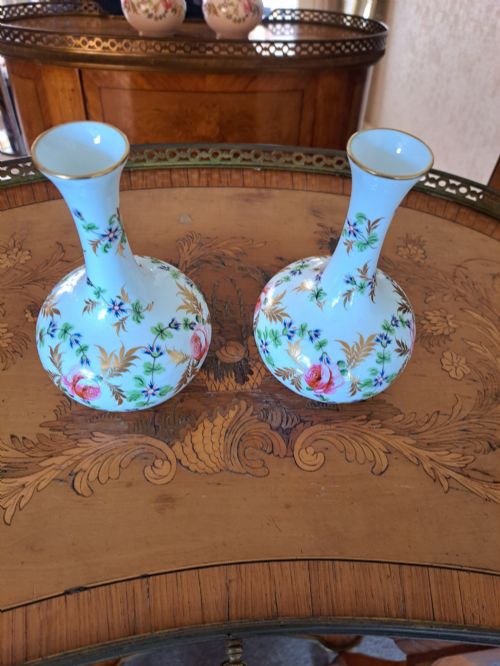
Vases, dessert services and coffee sets appear frequently across these listings alongside decorative urns and porcelain figurines. Pieces often reflect specific regional revivals, including Chelsea-Derby styles and traditional Imari patterns.
Originating largely from the nineteenth century, items range from standard cabinet porcelain to miniature items and larger garniture sets. The assortment demonstrates varied forms produced for both daily dining and decorative display.
Materials and Techniques
Potters utilised fine porcelain and bone china as the primary base materials for these items, shaping them into tableware, vessels and figures. Skilled artisans then applied detailed enamel colours by hand to achieve rich surface decoration.
Gold leaf, gilding and raised gold decor frequently accent the painted motifs, adding metallic brilliance to ewers, plates and vases. These precious metal applications required careful firing in kilns to bond securely with the ceramic body.
Among the formal urns and tea sets, whimsical porcelain dwarves and miniature flat irons reveal the lighter side of Victorian kilns.
Assessing Quality and Execution
Quality in these ceramics rests heavily upon the precision of the hand-painted enamel work and the crispness of the moulded form. Superior examples display clean brushwork and well-defined gilding without smudging or fading.
The sophistication of the pattern transfer and the depth of the gold leaf application distinguish finer pieces from standard production wares. Artist signatures or specific pattern numbers further elevate the standing of individual items.
Royal Crown Derby·Stevenson and Hancock·Samson Paris·Albert Gregory·Darlington
The Victorian Derby Porcelain Glossary
- Imari
- A decorative style featuring dense Japanese-inspired patterns typically rendered in iron-red, cobalt blue and gold.
- Gilding
- The application of gold leaf or gold paint to ceramic surfaces for ornamental accentuation.
- Bone china
- A type of porcelain composed of bone ash, feldspathic material and kaolin, known for its high strength and translucency.
- Garniture
- A set of three or more matching vases or vessels designed to be displayed together on a mantelpiece or sideboard.
- Enamel
- Opaque glassy material fused to the ceramic body through firing to provide vibrant surface colour.
Victorian Derby Porcelain: Frequently Asked Questions
How do I identify a genuine piece?
Examine the base for factory marks, date ciphers and pattern numbers stamped or painted into the ceramic body.
Compare the quality of the enamel painting and gilding against documented examples from the same period.
Were these items used daily?
Many tea sets and dessert services saw regular use in formal nineteenth-century dining rooms before becoming display pieces.
Miniatures and decorative urns served strictly ornamental purposes on mantelpieces and cabinets.
How should I clean my porcelain?
Dust surfaces gently with a soft, dry brush to prevent accumulation without harming delicate enamel or gold leaf.
Avoid submerging pieces with old gilding in water or using abrasive cleaning agents.
What is the Imari pattern?
The Imari pattern draws inspiration from traditional Japanese export wares featuring distinct cobalt blue and iron-red motifs.
Derby kilns adapted this aesthetic extensively, often incorporating generous amounts of gold leaf.