

Antique Floral Ceramic Vessel
An antique floral ceramic vessel brings hand-painted motifs and rich historical glaze work straight into modern interiors.
Antique Floral Ceramic Vessel
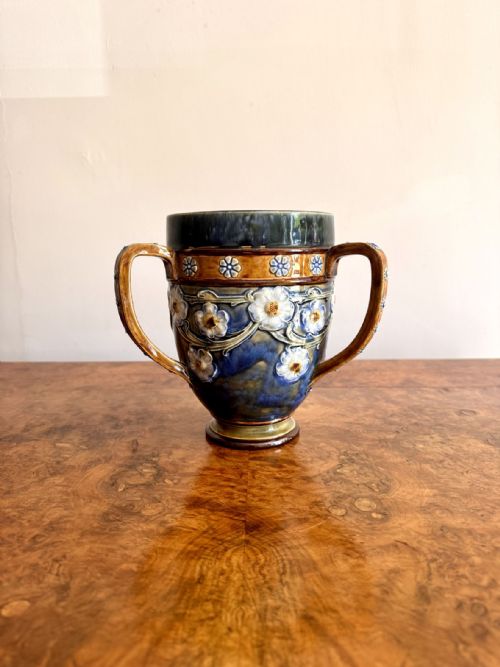
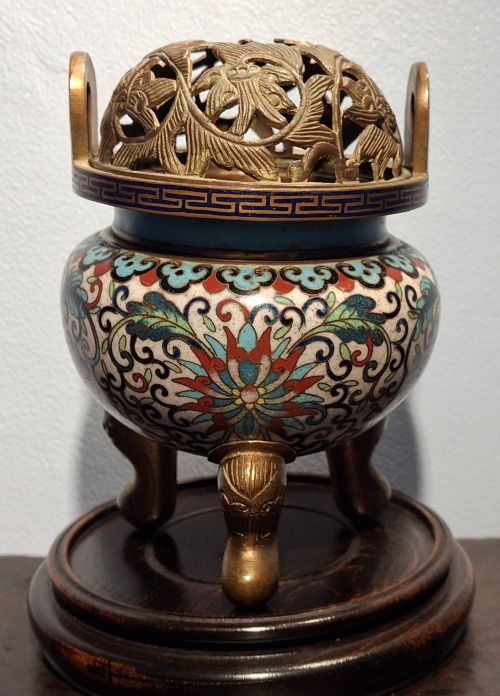
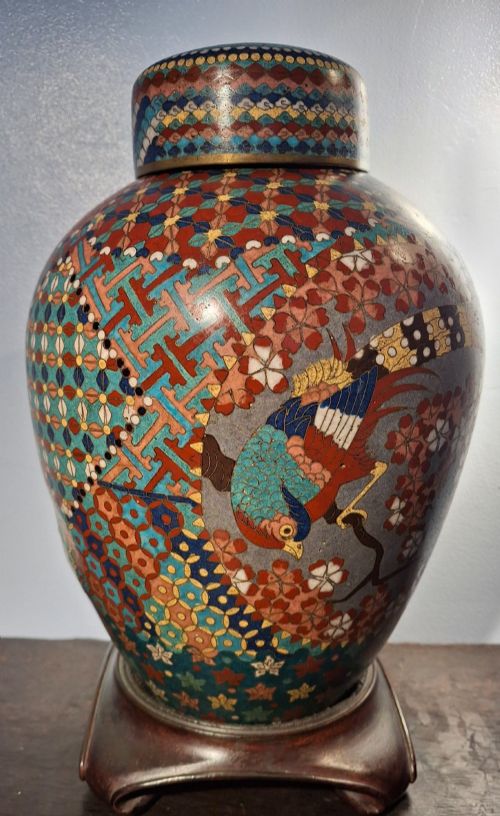
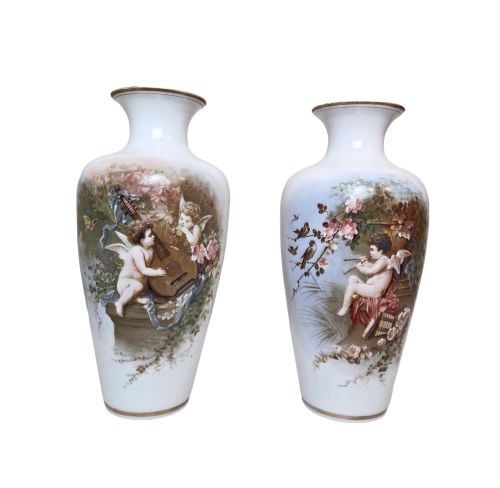
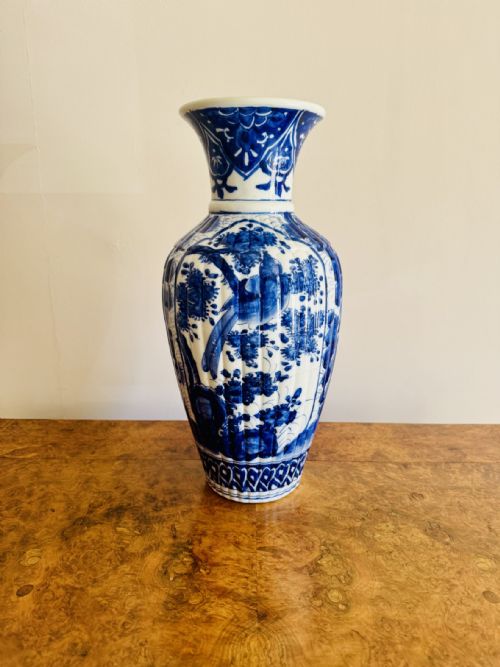
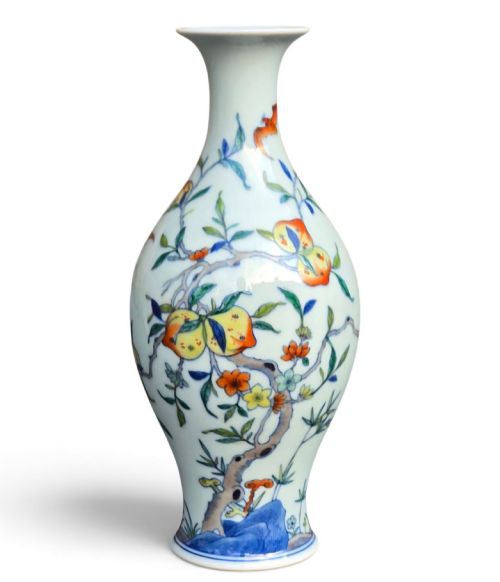
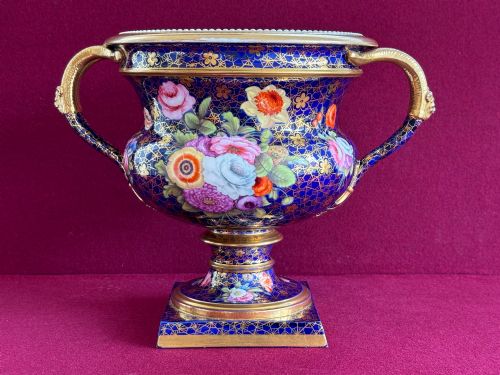
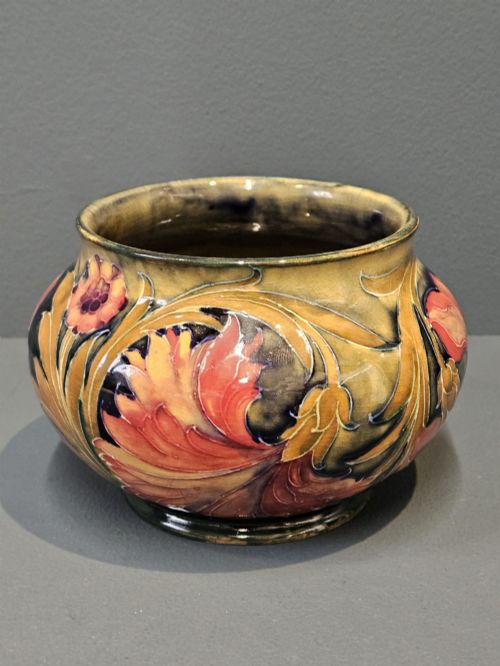
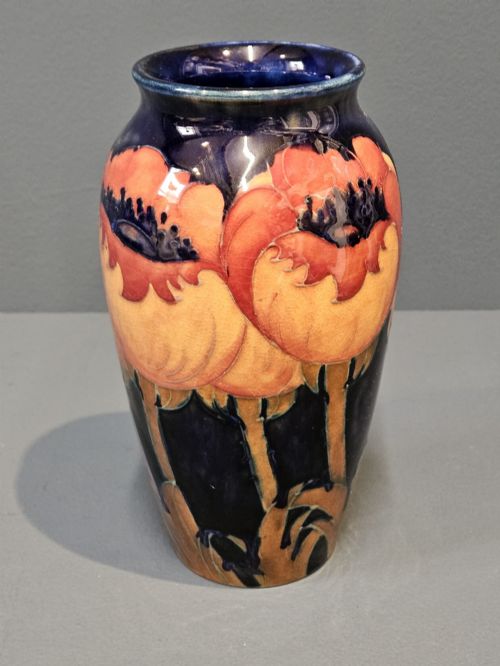
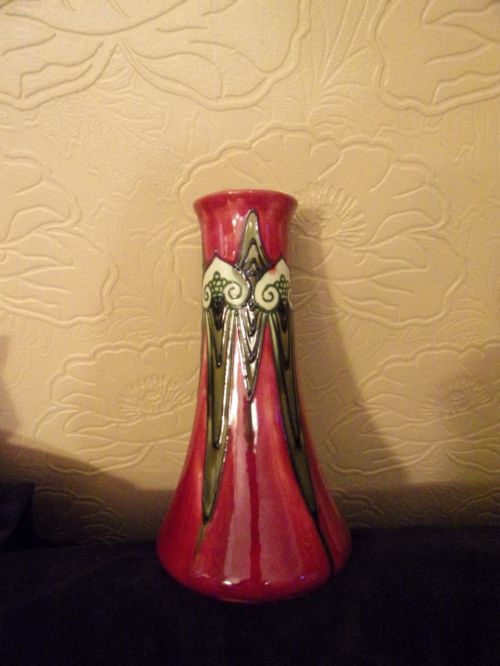
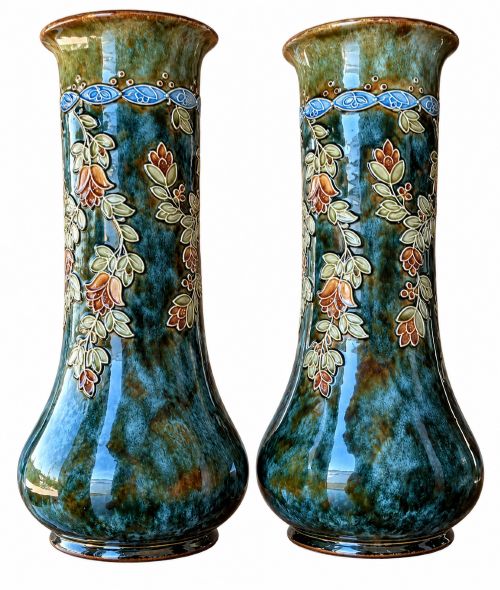
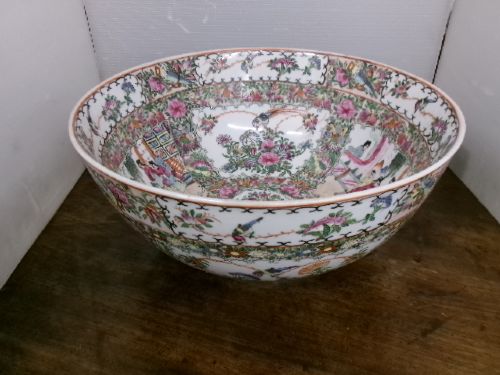
When searching for an antique floral ceramic vessel, collectors encounter a diverse range of forms including vases, jardiniere planters, potpourri pots, and decorative bowls spanning multiple centuries. The selection encompasses English pottery, continental faience, and Asian export ceramics decorated with botanical and floral motifs.
The pieces on this page lean heavily toward nineteenth-century production, featuring Victorian stoneware, Edwardian earthenware, and pieces created during the height of the Art Nouveau movement. Makers utilised earthenware, porcelain, and heavy stoneware to form vessels ranging from intimate cabinet pieces to large floor-standing urns.
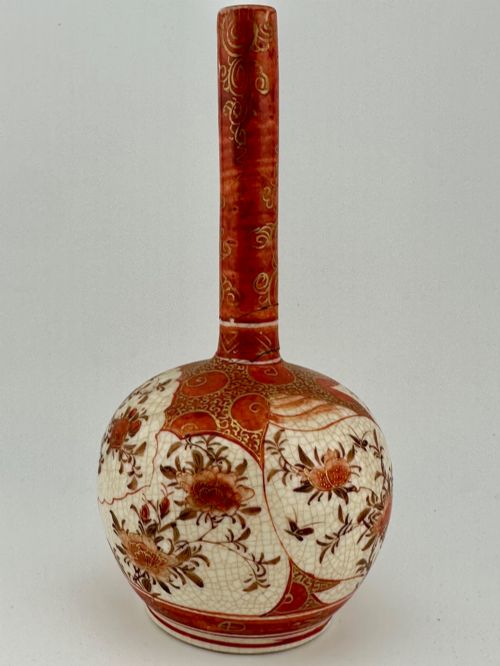
Forms vary from utilitarian chamber pots and posset pots to grand exhibition pieces like the Théodore Deck Iznik-revival umbrella stand. Buyers will also find distinct regional traditions represented, such as Japanese Imari, Chinese Canton porcelain, and Persian polychrome glazed ceramics.
How they were made
Potters shaped these vessels using traditional throwing and moulding techniques before applying intricate slip-cast patterns, tube-lined designs, or hand-painted botanical motifs. Firing took place in kilns that set the porous earthenware, durable stoneware, or delicate porcelain bodies.
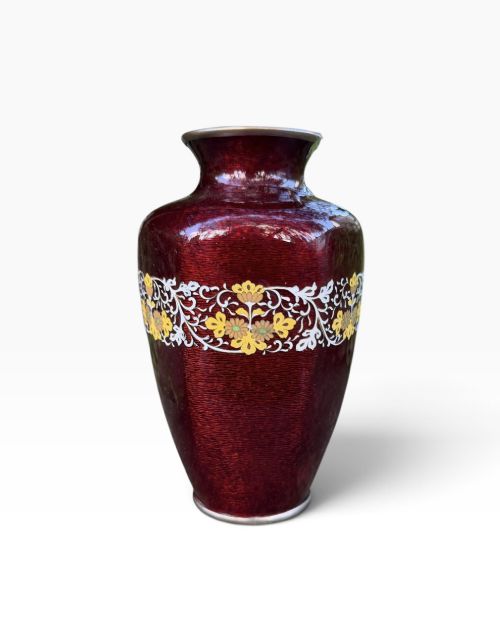
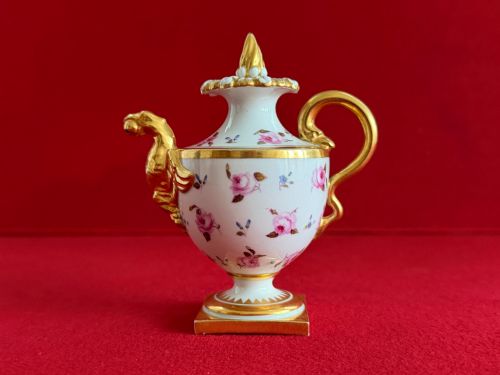
Makers finished the ceramics with various surface treatments including opaque glazes, enamel-on-copper, underglaze blue, and touches of gold leaf or gilding. Specialised techniques like Doulton Intarsio faience and Slaters Patent surface texturing added tactile depth to the floral decorations.
Among the elegant urns and fine vases hide cheerful chamber and posset pots ready to surprise guests.
What varies in quality
Quality in these ceramic vessels rests upon the crispness of the hand-painted or tube-lined floral decoration and the precision of the glaze application. Pieces designed by named studio artists or produced by leading potteries demonstrate superior control over form and colour balance.
The weight, wall thickness, and stability of the fired body indicate the maker's technical proficiency. Early hand-thrown earthenware and fine porcelain bodies show greater refinement than mass-produced utilitarian wares.
Royal Doulton·Minton·Flight Barr and Barr·Royal Worcester·Théodore Deck·Royal Crown Derby·Coalport·H and R Daniel
The Antique Floral Ceramic Vessel Glossary
- Faience
- Tin-glazed earthenware produced in Europe, often featuring colourful floral painted designs.
- Stoneware
- A heavy, dense ceramic fired at high temperatures that is impermeable to liquids even without glazing.
- Tube-lining
- A decorative technique where thin lines of clay slip are squeezed onto a ceramic body from a nozzle to outline floral patterns before glazing.
- Imari
- A style of Japanese porcelain decorated in underglaze blue, iron red, and gold, typically featuring floral and brocade motifs.
- Posset pot
- A spouted historical vessel with handles, traditionally used for holding a hot spiced milk and wine drink.
Antique Floral Ceramic Vessel: Frequently Asked Questions
How do I clean an antique ceramic vessel?
Dust the surface gently with a soft, dry cloth to remove everyday particles without disturbing delicate glazes.
Avoid using water, chemical sprays, or abrasive cloths, especially on pieces with gold leaf, enamel work, or unglazed earthenware bodies.
Can I use these vessels for fresh flowers?
Many of these historical pieces were originally made as vases, jardiniere planters, or umbrella stands and can safely hold water.
Porcelain and glazed stoneware handle moisture well, but older porous earthenware or pieces with hairline cracks should be used with a hidden liner.
How do I identify the period of a floral ceramic vessel?
Examine the base for maker marks, impressed factory stamps, or artist monograms that link the piece to documented production years.
Stylistic indicators such as Art Nouveau tube-lining or Regency shapes also help narrow down the decade of manufacture.
Where should I display a decorative bowl or vase?
Place heavier stoneware and large floor vases in stable locations away from high-traffic household areas where they might be knocked.
Smaller porcelain posset pots and bud vases look best showcased on mantelpieces, sturdy wooden cabinets, or open display shelving.