



Hand Painted Porcelain Mug
A hand painted porcelain mug brings delicate brushwork and rich historical character straight to the daily table.
What they are
A hand painted porcelain mug represents a fusion of fine ceramic bodywork and individual artist decoration. Buyers seeking a hand painted porcelain mug will find examples spanning from the eighteenth century through to the early twentieth century.
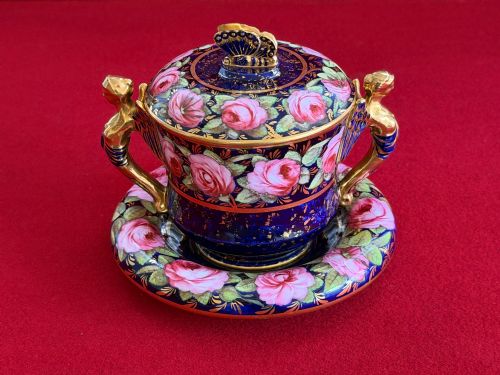
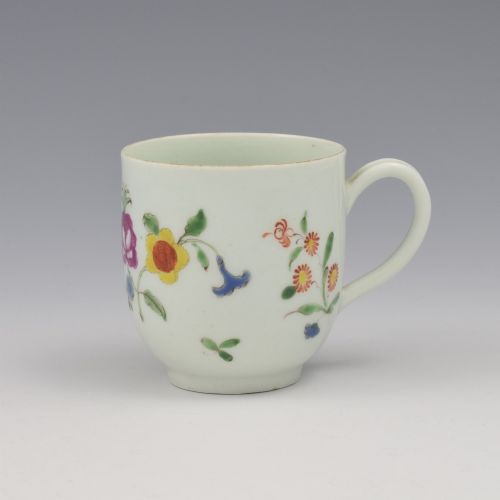
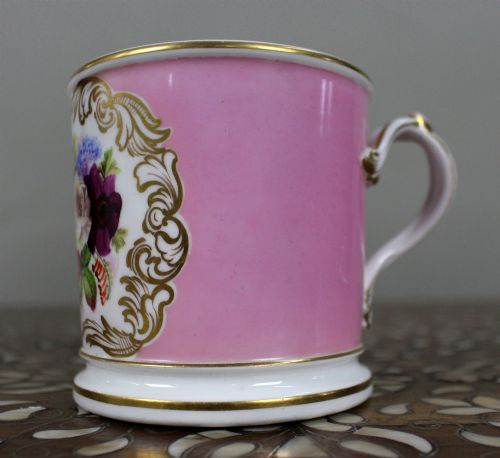
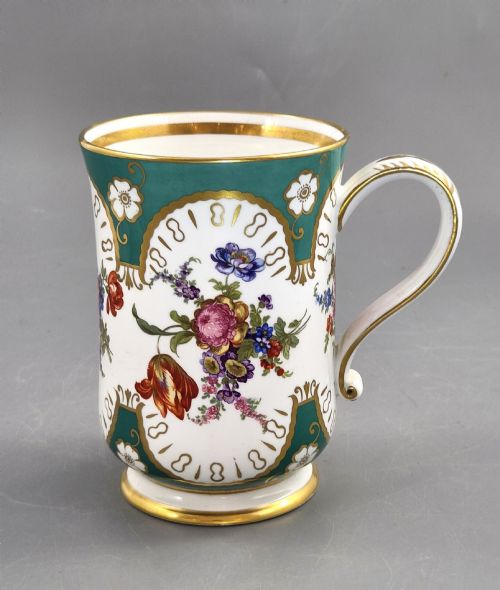
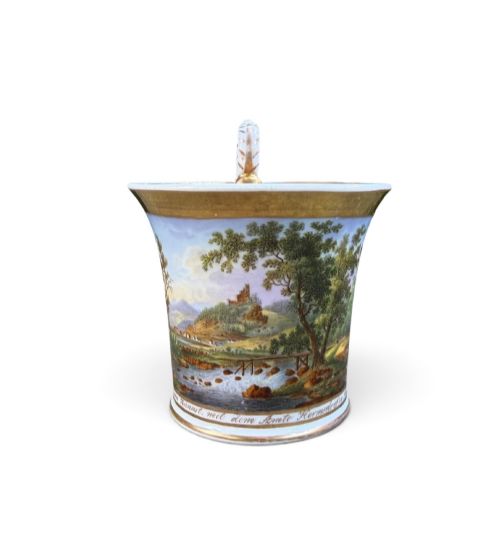
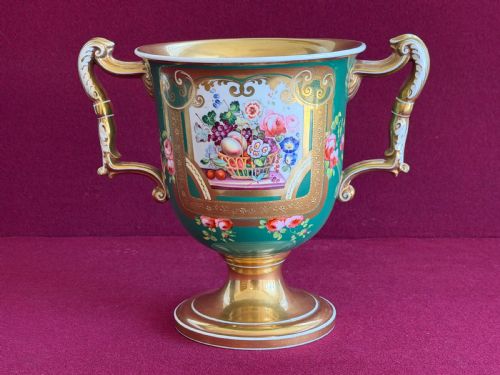
The selections on this page range from Regency and Victorian periods to Edwardian and early twentieth century pieces. Forms include standard mugs, porter mugs, and tankards decorated with floral motifs, birds, and bugs.
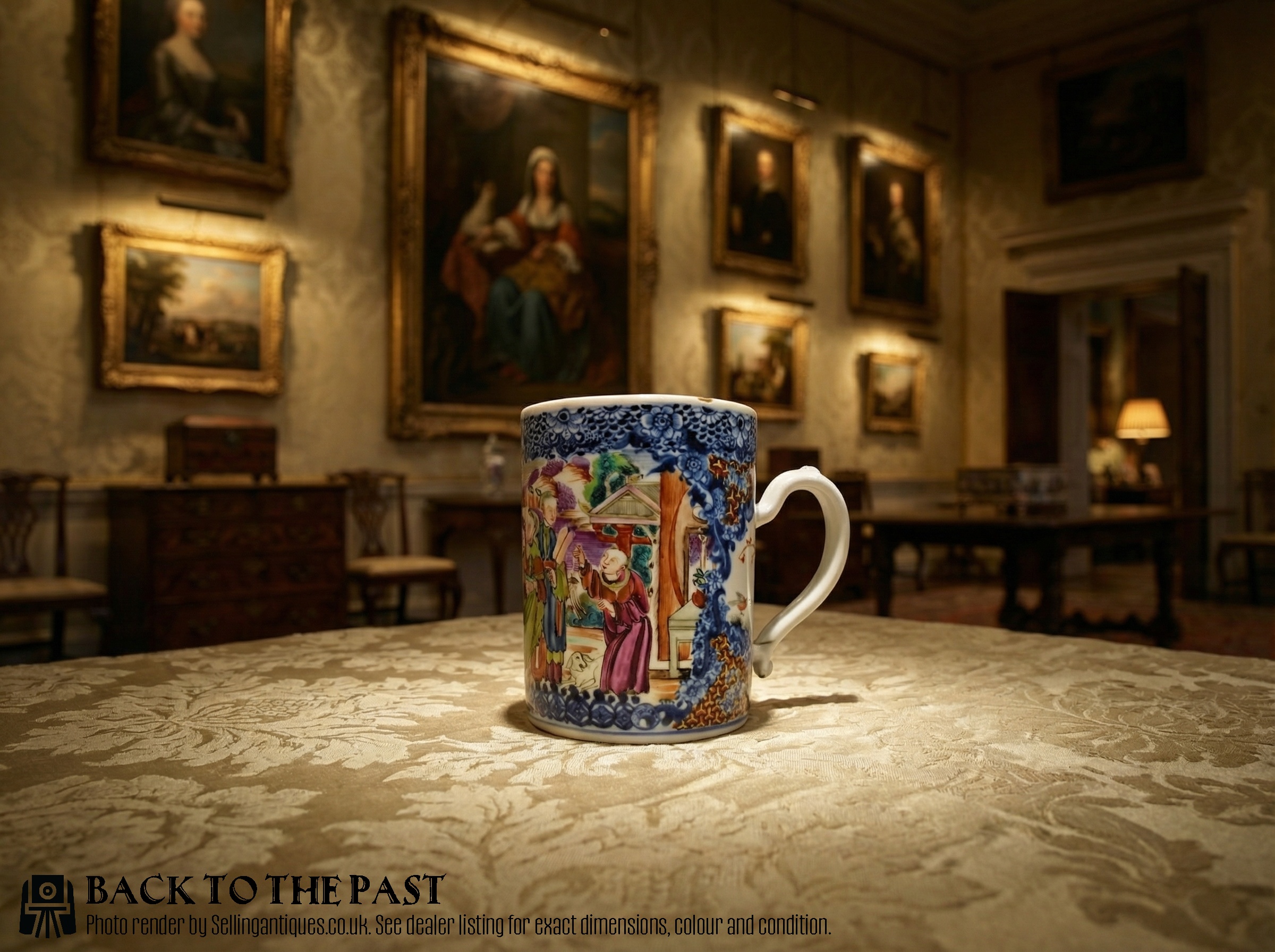
Origins include English factories such as Derby and Coalport, alongside Qianlong Chinese export ware. Each piece offers a tangible link to past domestic habits and ceramic traditions.
How they were made
These pieces utilise fine porcelain bodies shaped into mugs and tankards, often finished with applied gold leaf or gold gilt accents. The foundational ceramic is fired before receiving detailed enamel and hand painted pigments.
Decoration relies on skilled brushwork applied directly to the glazed or biscuit surface, sometimes featuring inscriptions such as names and dates. Firing techniques fix the enamels and gilding to the porcelain base for lasting durability.
The listings show materials including porcelain, enamel, gold leaf, and gold gilt across periods from the eighteenth century to 1920.
What varies in quality
Quality rests in the precision and delicacy of the hand painting, from simple floral arrangements to intricate birds, bugs, and inscribed details. Superior pieces display refined brush control and well-preserved gilding.
The prestige of the maker and the purity of the porcelain body also elevate certain examples above standard production wares. Earlier eighteenth century and Regency pieces often command attention through their distinct historical weight and artistry.
Derby Porcelain·Hadley Worcester·Coalport Type
The Hand Painted Porcelain Mug Glossary
- Porcelain
- A fine, hard white ceramic material fired at high temperatures. It forms the smooth, vitrified body of these mugs.
- Gold Gilt
- A thin layer of gold applied to the surface of the ceramic for decoration. It highlights rims, handles, and painted scenes.
- Enamel
- Coloured glass paste fused to the porcelain during firing. It provides the vibrant hues seen in the floral and animal motifs.
- Porter Mug
- A large drinking vessel traditionally used for malt liquor or porter. These substantial mugs often feature robust handles.
- Famille Rose
- A palette of opaque enamels dominated by pink or rose colours. This style appears on Chinese export porcelain.
Frequently Asked Questions
What is a porter mug?
A porter mug is a larger drinking vessel designed for serving dark malt beverages like porter or stout. These pieces often feature generous proportions and sturdy handles to accommodate a hearty grip.
In the evidence, they appear alongside standard mugs and tankards from the Regency period, showing how drinking habits influenced ceramic shapes.
How old are these mugs?
The pieces span several periods, beginning with eighteenth century Qianlong export ware and Regency pieces from the early eighteen hundreds. Other examples date through the nineteenth century, mid-Victorian era, up to nineteen ten and nineteen twenty.
Each era brings distinct stylistic touches, from Chinese export palettes to Edwardian and Empire revival motifs.
Are they safe to use?
While these are historical porcelain items, many buyers choose to display them as decorative art rather than using them for daily drinks. The aged enamels, gold gilt, and delicate porcelain bodies require careful handling.
Hand washing is essential if one decides to use them, keeping them far away from modern dishwashers and microwaves.