



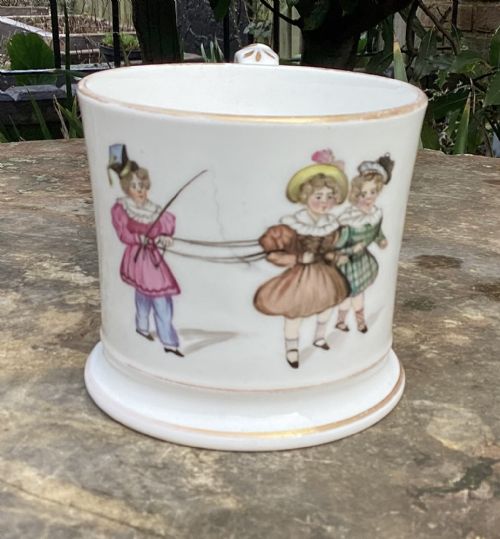

Gilt Porcelain Mug
These gilt porcelain mugs bridge utilitarian drinking vessels and cabinet display pieces, bringing heavy gilding and hand-painted scenes to any table.
Gilt Porcelain Mug
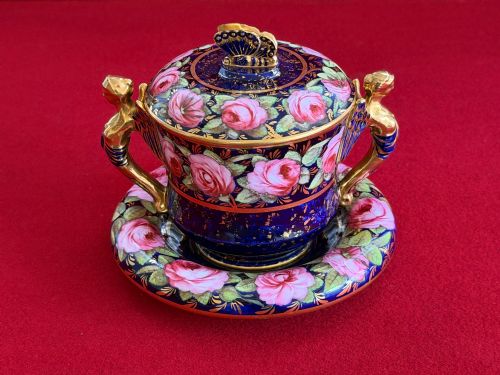
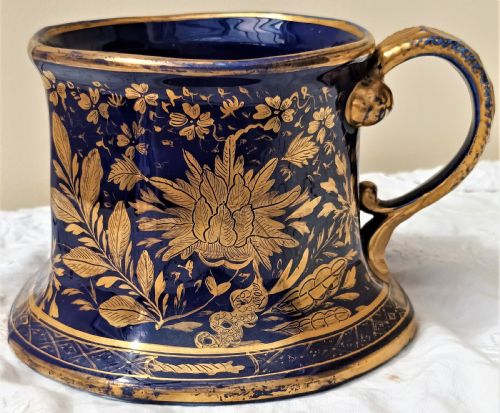
When searching for a gilt porcelain mug, collectors encounter a diverse group of drinking vessels and display pieces spanning the eighteenth, nineteenth, and early twentieth centuries. The selection encompasses various forms including standard mugs, loving cups, cabinet cups, chocolate cups, coffee cans, and tygs.
The pieces originating from this period reflect distinct stylistic movements such as Georgian, Regency, Victorian, and Edwardian eras. Makers utilised hard-paste porcelain, ironstone, enamel, and gold leaf to produce these decorated items.
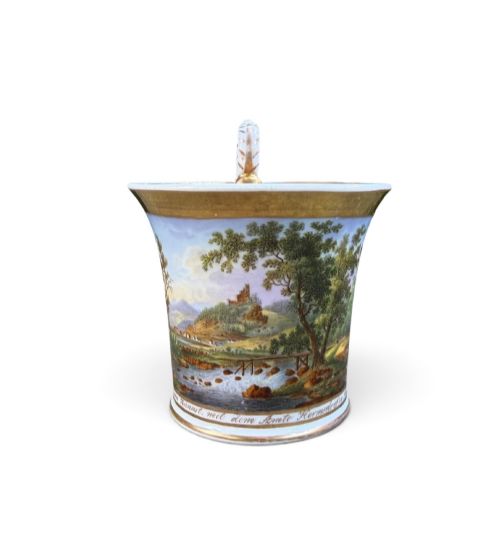
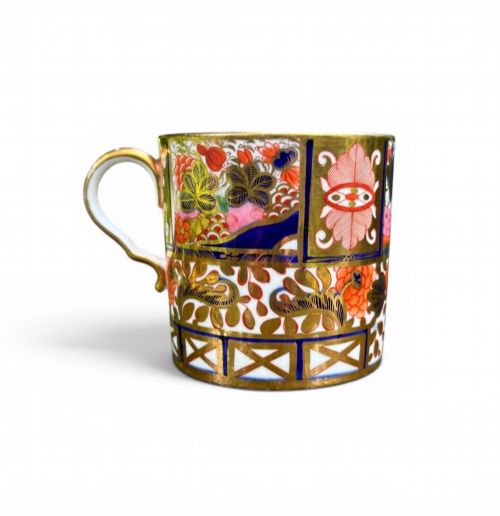
Buyers most frequently meet nineteenth-century examples alongside Georgian pieces, often featuring hand-painted topographical scenes, Imari patterns, or allegorical motifs. These items range from utilitarian ironstone drinking vessels to delicate cabinet pieces intended solely for visual appreciation.
How they were made
Potters formed these vessels using hard-paste porcelain or ironstone, shaping them into cylindrical mugs, handled chocolate cups, and multi-handled tygs. Skilled hands applied colourful enamels and intricate glazes to the ceramic bodies before firing.
Artisans decorated the surfaces using hand-painted techniques, depicting topographical views, fancy birds, and allegorical woodland scenes. Gilding and gold leaf were meticulously applied to rims, handles, and borders to accentuate the painted panels.
Early nineteenth-century drinkers apparently needed moral support, given the sheer number of multi-handled loving cups designed to require a communal grip.
What varies in quality
The standard of painting defines the upper tier of these vessels, distinguishing mass production from meticulous artistic output. Finely executed topographical views and detailed allegorical scenes demand superior brushwork compared to repetitive printed patterns.
The application and preservation of the gilding further separate standard items from exceptional pieces. Intricate gold leaf work that remains crisp and substantial indicates superior workshop execution.
Spode·Berlin·Derby Porcelain·Mason's Ironstone·Royal Worcester·Royal Vienna·Stevenson & Hancock
The Gilt Porcelain Mug Glossary
- Hard-paste porcelain
- A dense, durable ceramic material fired at high temperatures, composed of kaolin and petuntse. It forms a vitrified body that resists scratching and absorbs no moisture.
- Gilding
- The application of gold leaf or gold powder to the surface of porcelain. This decorative technique highlights handles, rims, and painted panels.
- Loving cup
- A large drinking vessel featuring two or more handles, traditionally passed among guests at banquets or celebrations. These pieces often showcase commemorative designs.
- Tyg
- A heavy drinking mug fitted with multiple handles arranged around the body. This historic form allowed multiple drinkers to share a single vessel.
- Coffee can
- A straight-sided cylindrical porcelain cup without a saucer, produced during the Georgian and Regency periods. These vessels frequently display elaborate enamel patterns.
Gilt Porcelain Mug: Frequently Asked Questions
What is a gilt porcelain mug used for?
These vessels served various functions ranging from daily drinking containers to decorative cabinet display pieces. Chocolate cups and coffee cans held hot beverages for wealthy patrons.
Larger loving cups and tygs often commemorated special occasions and were passed among guests during gatherings. Today, collectors primarily display them in cabinets to appreciate the hand-painted artistry.
How can I tell the period of a mug?
Examine the ceramic body, glaze characteristics, and painting style to determine the era of production. Georgian and Regency pieces often feature distinct hand-painted topographical or Imari motifs.
Later Victorian and Edwardian examples display heavier Victorian styling or specific factory marks on the base. Comparing the form against known manufacturer styles helps narrow down the decade.
Are all gilt porcelain mugs painted by hand?
Many pieces feature meticulous hand-painted artwork, particularly those from early nineteenth-century factories. Artisans spent considerable time detailing birds, landscapes, and allegorical scenes.
Some later production items incorporated transfer printing alongside hand-applied gilding. Inspecting the surface under magnification reveals the brushstrokes characteristic of true hand-painted decoration.