



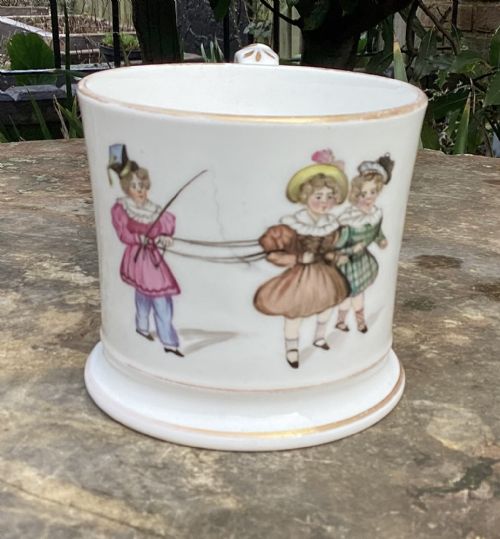

Georgian Ceramic Tankard
A georgian ceramic tankard is a sturdy drinking vessel from the eighteenth or early nineteenth century, prized for its robust character and historical charm.
Georgian Ceramic Tankard
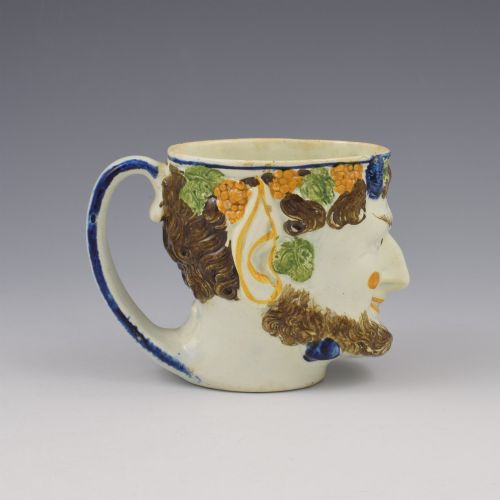
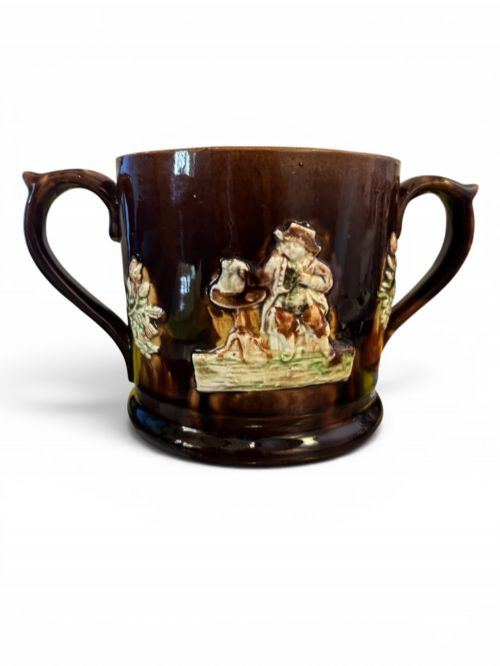
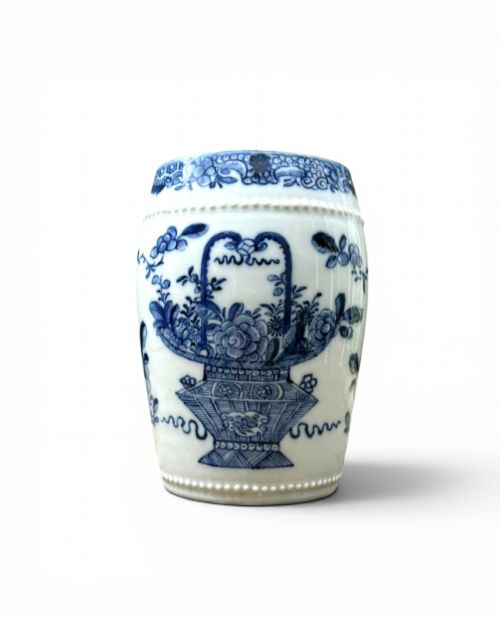
A georgian ceramic tankard spans the Georgian and Regency periods, encompassing pieces produced throughout the eighteenth century and into the early nineteenth century. Collectors find various forms here, including single-handled mugs, two-handled loving cups, barrel-shaped drinking vessels, and ale pitchers.
The domestic and export origins vary widely across the selection. English country potteries, Staffordshire factories, Welsh makers, and Chinese export kilns all contributed to this category, alongside German salt-glazed stonewares and Worcester porcelain works.
How they were made
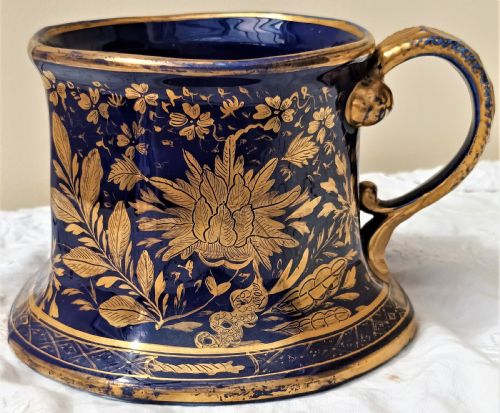
Potters utilised earthenware, creamware, pearlware, ironstone, and porcelain as the primary ceramic bodies for these vessels. Cobalt underglaze, enamel colours, polychrome painting, and gold leaf were applied to decorate the surfaces with figures, landscapes, and floral motifs.
Certain pieces received specialised treatments such as salt glazing, hand-painted scenes, or the inclusion of moulded satyr masks and interior surprise elements like frogs and newts. Metal mounts occasionally appeared, including silver-plated lids fitted to the top rim.
What varies in quality
The crispness of the modelling and the precision of the hand-painted decoration set individual pieces apart. Finely detailed polychrome scenes and delicately rendered topographical views demonstrate a higher level of artisan skill than simpler, utilitarian vessels.
The stability of the ceramic body and the preservation of the original glaze or enamel colours influence the overall appeal. Early porcelain bodies and well-fired pearlware show varying degrees of wear that reflect their age and prior use in taverns and homes.
The Georgian Ceramic Tankard Glossary
- Pearlware
- A refined earthenware developed in the late eighteenth century featuring a bluish-white glaze that pooled in crevices. It successfully imitated the appearance of Chinese export porcelain.
- Creamware
- A fine earthenware with a pale yellowish glaze perfected in Staffordshire. It became the standard table ceramic of the Georgian era.
- Ironstone
- A heavy, durable type of earthenware patented in the early nineteenth century. It resists chipping and provided a sturdy base for printed and painted decoration.
- Westerwald
- A German region famous for grey stoneware pottery decorated with cobalt blue incisions. These pieces were widely exported to Britain during the eighteenth century.
- Polychrome
- Decoration employing multiple distinct colours. On these tankards, it usually involves hand-painted enamels fired onto the ceramic surface.
Georgian Ceramic Tankard: Frequently Asked Questions
What was a frog mug used for?
A frog mug served as a drinking vessel in taverns and homes, often featuring a ceramic frog modelled inside the base. As the drinker finished their ale, the hidden amphibian would appear as a surprise.
These novelty vessels encouraged social amusement and slow drinking among Georgian patrons. Some examples also recorded specific volume measurements for public house service.
How do I date a ceramic tankard?
Dating relies on identifying the ceramic body, glaze characteristics, and decorative style used in the piece. Creamware and pearlware point toward the late eighteenth and early nineteenth centuries, while specific porcelain bodies indicate factory production methods.
Matching stylistic details such as Chinoiserie scenes or Regency painting styles helps narrow the manufacturing period further. Maker marks, where present, provide additional chronological clues.
How should I clean my antique tankard?
Antique ceramics require gentle maintenance using warm water and mild soap where necessary. Harsh detergents and abrasive scrubbing must be avoided to protect delicate enamels and gold leaf.
Display environments should remain stable, avoiding rapid temperature fluctuations that can stress older glazes and earthenware bodies. Hand washing is essential, as dishwashers cause irreversible damage.
Are these tankards safe for drinking?
Many eighteenth-century and nineteenth-century ceramic bodies and glazes contain materials that are no longer considered food safe. Historic glazes can degrade over long periods of use.
Collectors generally treat these vessels as display pieces rather than functional tableware. Preserving the fragile surfaces takes precedence over daily service use.