



Antique Cobalt Blue Cup
An antique cobalt blue cup brings deep, striking cobalt colour and historic craftsmanship directly to the table.
Antique Cobalt Blue Cup
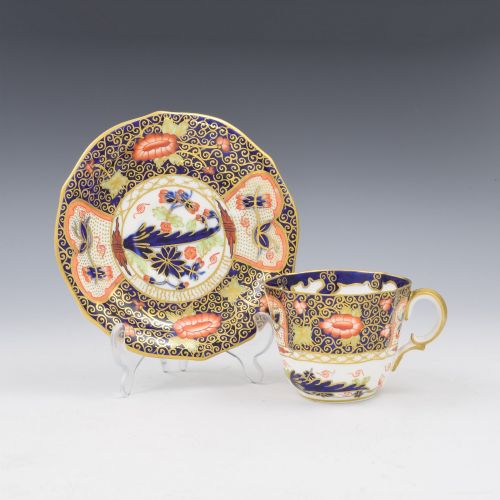
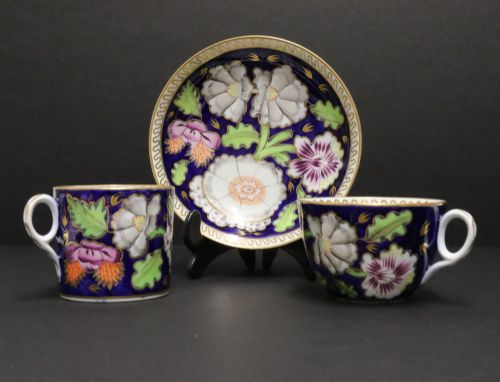
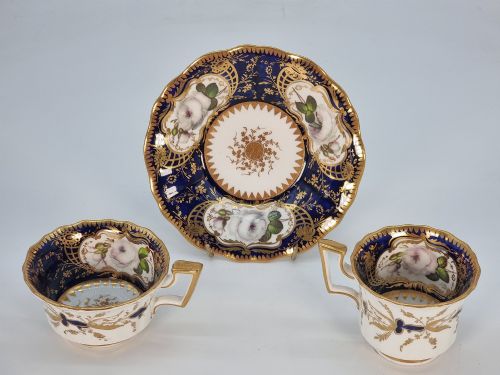
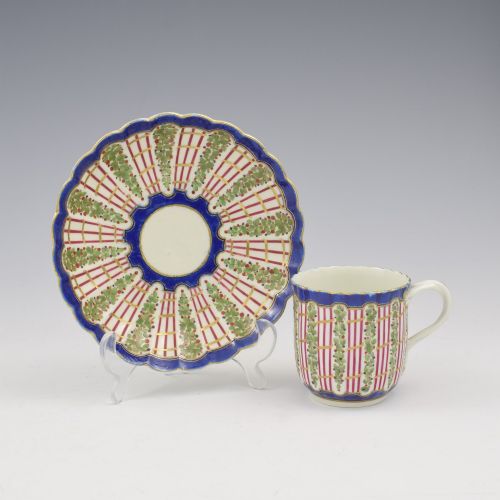
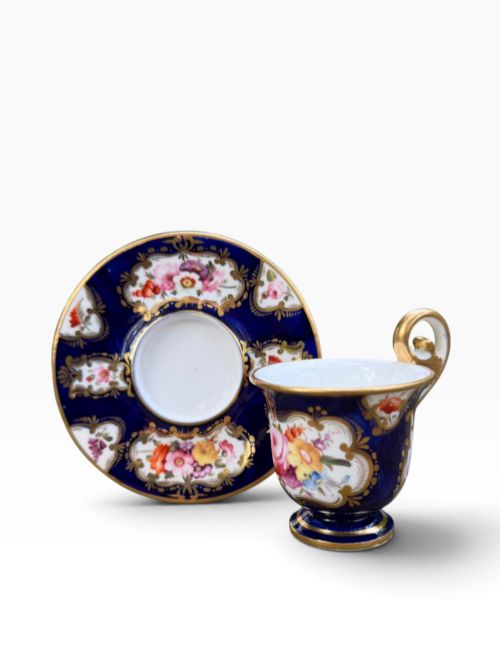
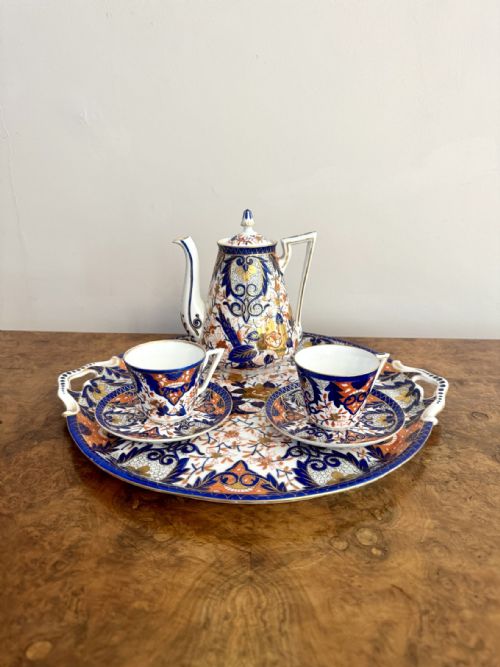
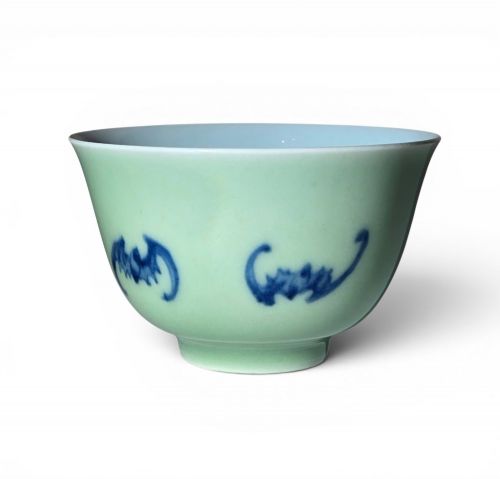
When searching for an antique cobalt blue cup, buyers encounter a diverse range of forms spanning tea bowls, chocolate cups, coffee cans, and mugs. These vessels emerge from periods such as the eighteenth century, the Regency era, and the nineteenth century.
The materials and origins vary widely, encompassing English porcelain, ironstone, bone china, and cobalt glass alongside creations from European and Asian makers. Teacups with saucers and cabinet trios dominate the selections found on this page.
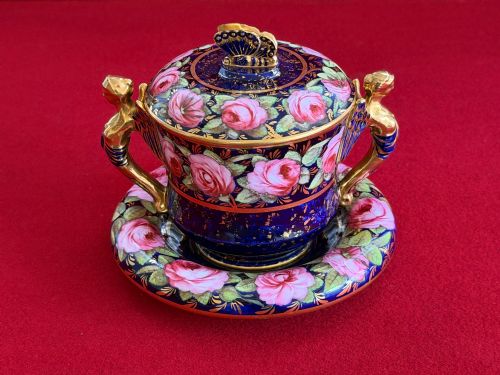
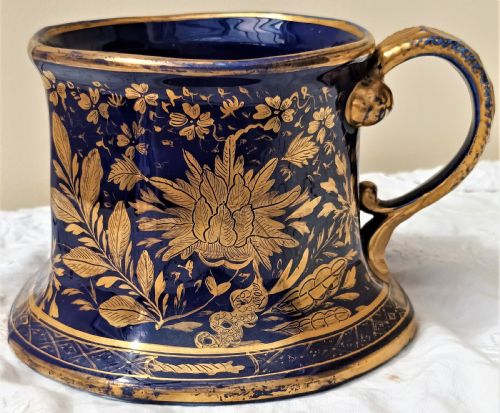
Makers utilised rich cobalt grounds, often paired with gilding or enamel, to produce striking visual depth. Each piece reflects the dominant decorative styles of its specific decade, from Georgian restraint to Victorian opulence.
Materials and Techniques
Potters and glassmakers relied on porcelain, bone china, ironstone, and cobalt glass to form the body of each vessel. Underglaze blue pigment or applied enamel provided the defining rich colour across the surface.
Gilding and gold leaf were frequently added by hand to highlight rims, handles, and decorative motifs. Soft-paste porcelain and hard-paste porcelain required precise kiln firing to achieve the desired translucent finish and durability.
The documented periods span the eighteenth century, the Regency era, and the Victorian age.
Distinctions in Quality
The refinement of the painting and the precision of the gilding separate standard production wares from premier cabinet pieces. Hand-painted details, such as intricate botanical or allegorical scenes, indicate a higher level of artistic investment.
The clarity of the porcelain body and the depth of the cobalt ground dictate the overall aesthetic success of the object. Weight, potting uniformity, and the crispness of moulded handles further distinguish exceptional examples from simpler utilitarian items.
Royal Crown Derby·Spode·Coalport·Worcester·Mason's Ironstone·Derby Porcelain·Moser·Wedgwood·Minton·Royal Worcester·Lowestoft·Ridgway
The Antique Cobalt Blue Cup Glossary
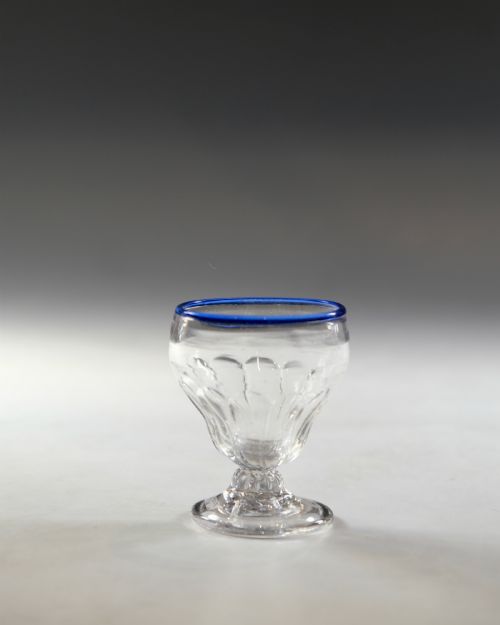
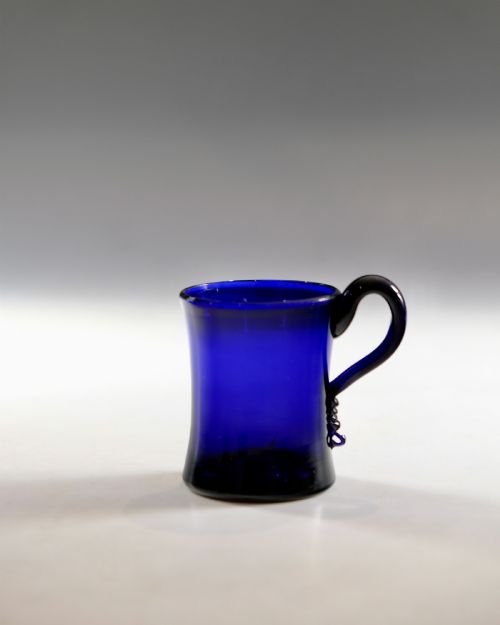
- Cobalt glass
- Glass coloured deeply by the addition of cobalt oxide during manufacture. It produces a rich blue hue seen in various antique vessels and decorative items.
- Soft-paste porcelain
- A ceramic material composed of clay and glass frit, fired at lower temperatures than hard-paste porcelain. It possesses a warm, slightly creamy appearance.
- Ironstone
- A heavy, durable type of earthenware patented in the nineteenth century. It mimics porcelain while offering greater resistance to daily wear.
- Gilding
- The application of gold leaf or powdered gold to the surface of ceramic or glass. It provides metallic accents along rims and handles.
- Cabinet trio
- A matched set consisting of a teacup, a coffee cup, and a saucer. These sets were often displayed in glass-fronted cabinets rather than used for dining.
Antique Cobalt Blue Cup: Frequently Asked Questions
What is an antique cobalt blue cup?
These items are historic drinking vessels made from porcelain, ironstone, or glass, distinguished by their rich blue coloration.
They encompass teacups, coffee cans, and chocolate cups produced across multiple centuries by various European and Asian potteries.
How were these cups used historically?
Many served practical roles in daily tea and coffee consumption among affluent households.
Finer cabinet examples were reserved for display in parlours rather than everyday dining.
How do I live with an antique cup?
These delicate pieces require careful hand washing to protect fragile gilding and enamel work.
Displaying them in secure cabinets or on stable shelves keeps them safe from accidental knocks.
How do I tell different periods apart?
Stylistic shifts and paste composition help indicate the era of manufacture.
Georgian and Regency pieces often feature neoclassical motifs, while Victorian items lean towards heavier ornamentation.