


Antique Floral Painted Mug
An antique floral painted mug brings hand-painted botanicals to the table, offering a tangible piece of ceramic history shaped by Georgian and Victorian hands.
Antique Floral Painted Mug
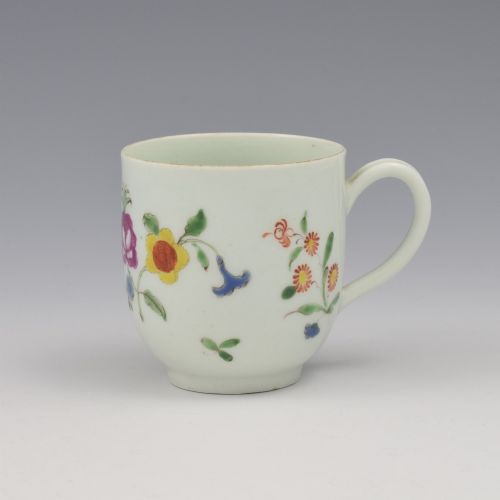
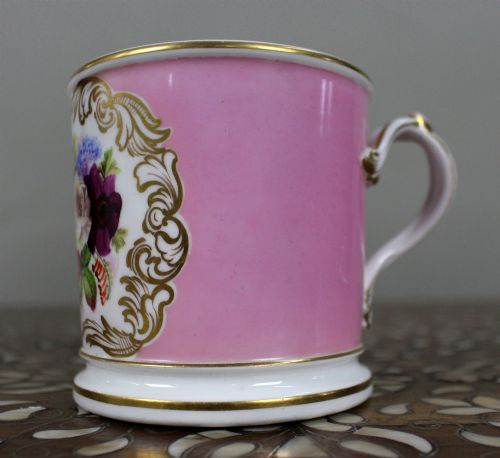
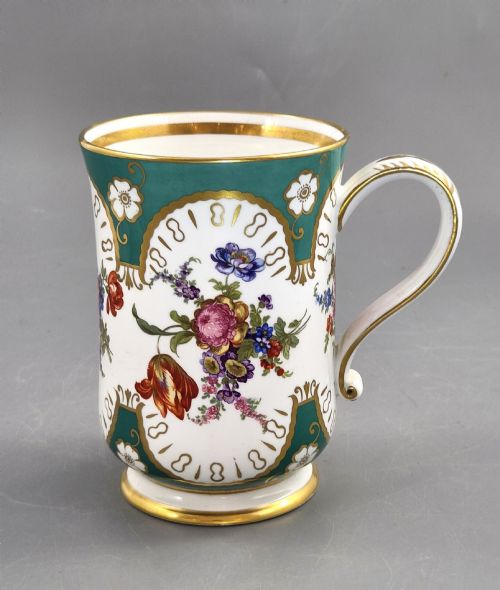
An antique floral painted mug encompasses drinking vessels and cabinet pieces decorated with botanical motifs across multiple centuries. The selection on this page spans from eighteenth-century porcelain to nineteenth-century earthenware and ironstone.
Buyers encounter forms ranging from standard tankards and coffee cups to miniature loving cups and tygs. These pieces originate from English factories and continental makers, reflecting shifting domestic tastes in drinking vessels.
How they were made
Potters shaped these vessels from porcelain, earthenware, creamware, pearlware, and ironstone, applying glazes before firing. Artisans then hand-painted floral designs directly onto the surface, often incorporating polychrome enamels.
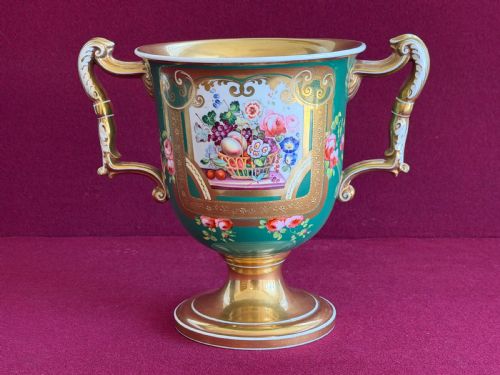
Many examples utilise gold leaf and gilding to highlight rims, handles, and painted panels. Hard-paste porcelain and bone bodies provide the structural base for detailed nineteenth-century decorative work.
The listings span porcelain, creamware, pearlware, and ironstone, decorated with hand-painted enamels, gilding, and gold leaf.
What varies in quality
Quality rests in the precision of the hand-painted botanical brushwork and the clarity of the underlying glaze. Fine examples display controlled polychrome application, while simpler pieces show more robust, folk-art execution.
The sophistication of the ceramic body and the presence of applied gold leaf or gilding distinguish standard utility wares from exhibition-grade cabinet pieces. Early soft-paste and hard-paste porcelain vessels generally demand closer attention to potting finesse than later ironstone.
Richard Chaffers·Grainger Worcester·H & R Daniel·Royal Worcester·Mason's Ironstone·Lowestoft
The Antique Floral Painted Mug Glossary
- Loving cup
- A large drinking vessel featuring two or three handles, designed for communal passing at celebrations. These often bear personalized inscriptions, dates, or detailed floral panels.
- Tyg
- A multi-handled earthenware or porcelain drinking vessel originating in seventeenth-century England. Miniature versions appear in later nineteenth and early twentieth-century production.
- Pearlware
- A refined earthenware developed by Josiah Wedgwood in the late eighteenth century, featuring a bluish glaze that pools in crevices. It serves as a common substrate for hand-painted floral decoration.
- Ironstone
- A heavy, durable type of earthenware patented in the nineteenth century to imitate porcelain. It provides a sturdy canvas for bright botanical and polychrome patterns.
- Ground colour
- The primary background hue applied to a ceramic piece, such as rose pompadour or green, framing the central hand-painted floral reserves.
Antique Floral Painted Mug: Frequently Asked Questions
What is a loving cup?
A loving cup is a large ceramic drinking vessel equipped with multiple handles to allow communal passing around a table. These pieces frequently feature hand-painted floral motifs and commemorative inscriptions.
Potters created them for special occasions, weddings, and celebrations. Their multi-handled form distinguishes them from standard mugs and tankards.
How do I identify creamware?
Creamware is a refined earthenware body developed in the eighteenth century, known for its warm, pale yellow or cream-coloured tone. It offers a smooth surface suited for hand-painted enamel decoration.
Over time, factories refined the body to appear lighter and crisper. Its weight and tone separate it from later ironstone and porcelain.
What is a tyg?
A tyg is a traditional English drinking vessel characterised by a cylindrical body and three or more vertical handles. Miniature tygs appear in later decorative ceramic production.
They allowed multiple drinkers to share a single vessel without sharing lip contact points. The form dates back centuries before appearing in Victorian and Edwardian iterations.
How do I care for antique painted mugs?
Antique ceramics require gentle hand washing in warm water with mild soap. Dishwashers damage fragile enamel paints, glazes, and twentieth-century gold leaf.
Displaying them away from direct sunlight protects organic enamel pigments from fading. Handle them by the body rather than delicate applied handles.