

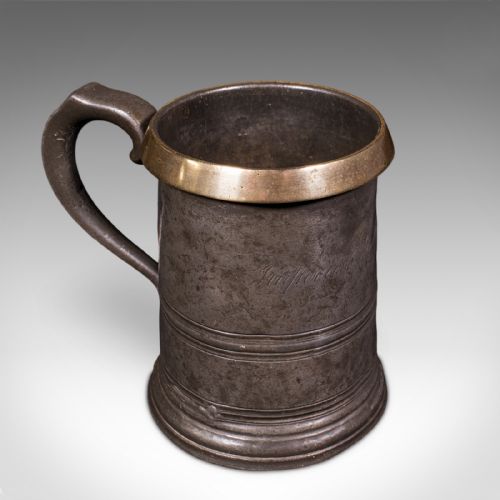


Antique English Tankard
An antique english tankard brings centuries of hospitality and tavern life into focus through heavy metal and painted ceramic vessels.
Antique English Tankard
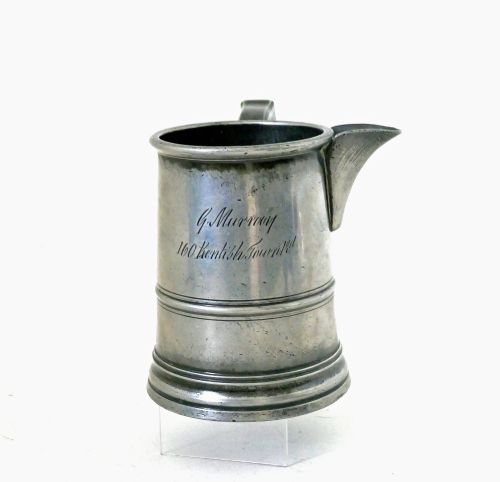
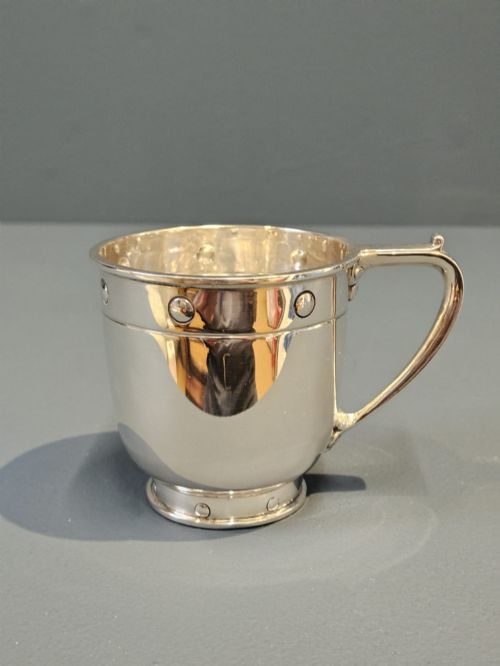
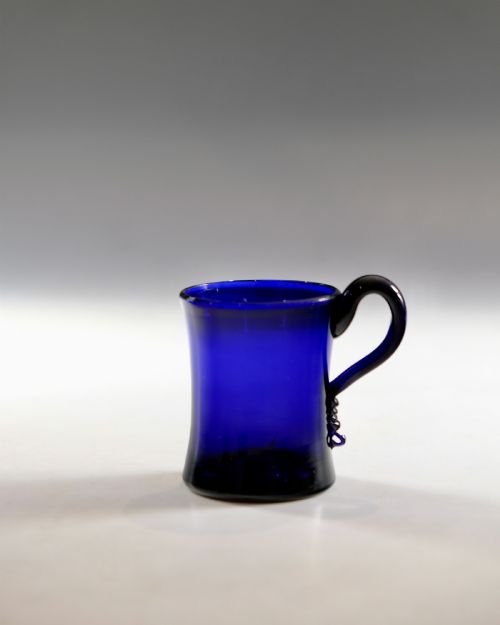
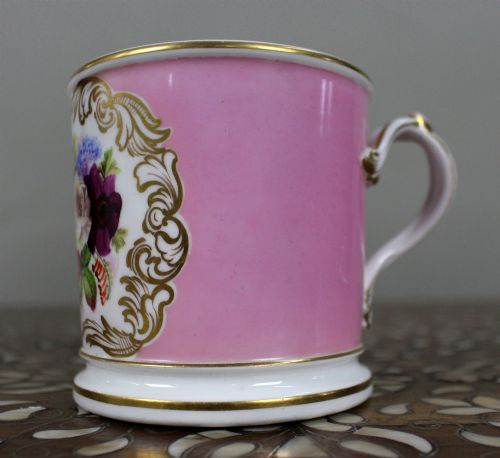
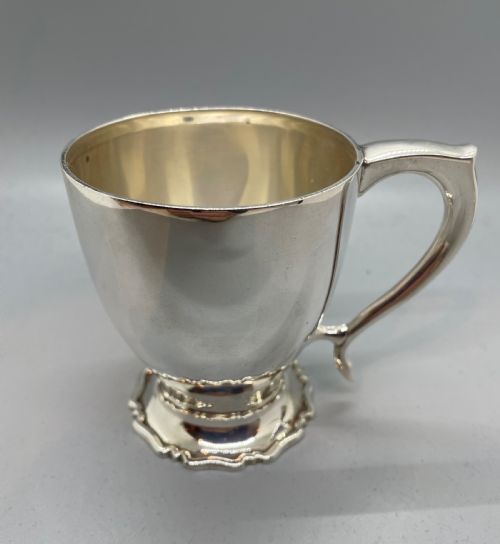
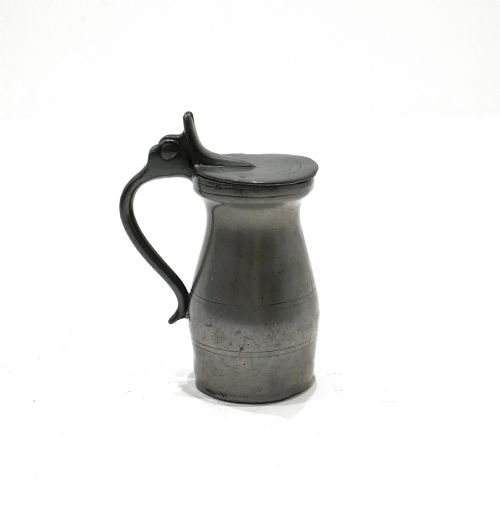
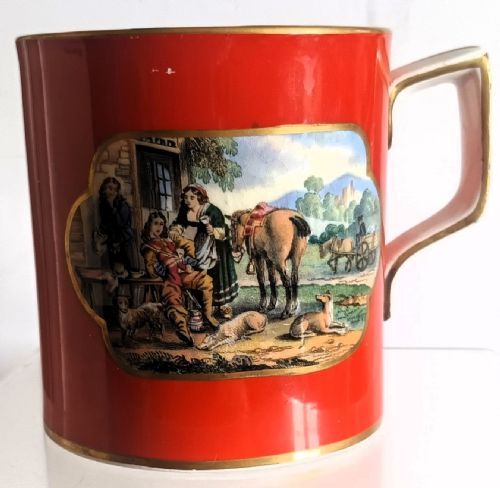
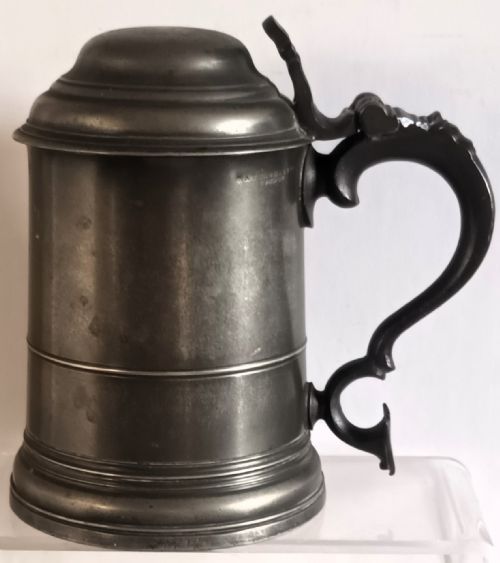
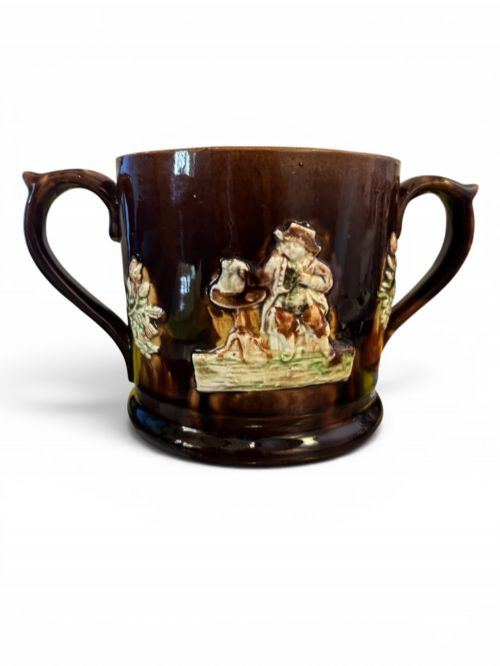
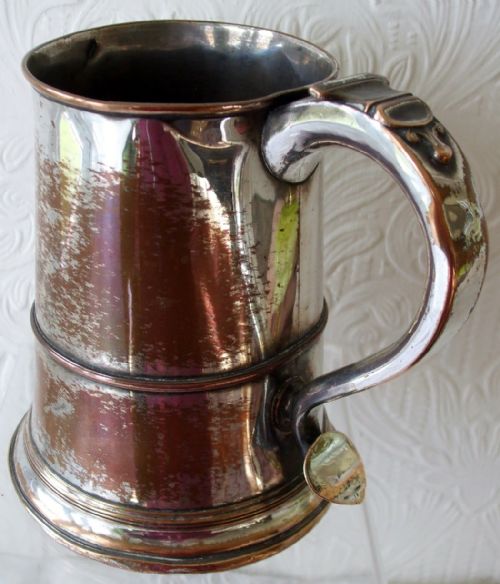
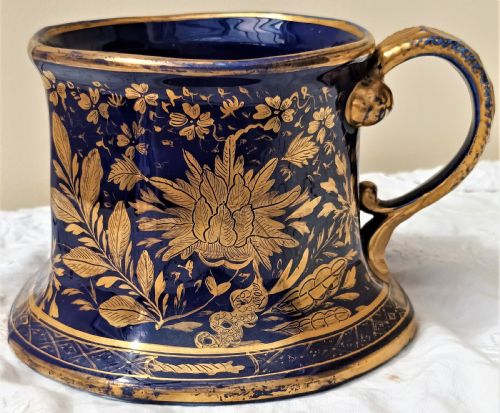
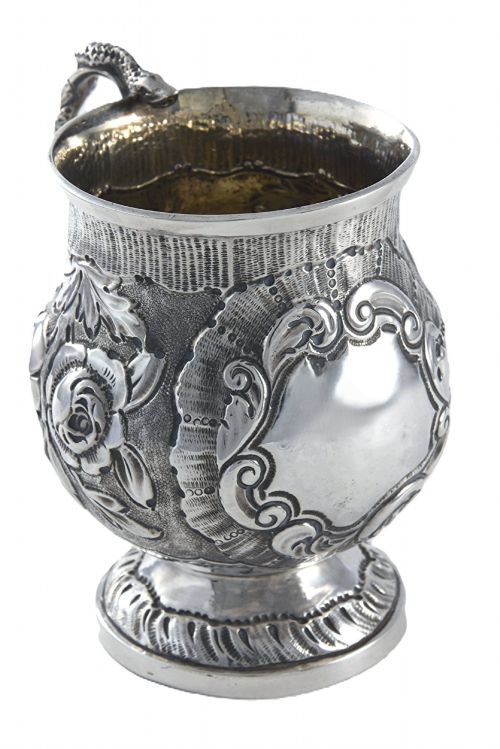
An antique english tankard serves as a traditional drinking vessel designed for ale, beer, and cider in domestic and public settings. The selection ranges from heavy pewter measures and sterling silver presentation pieces to porcelain and earthenware mugs bearing transfer-printed or hand-painted scenes.
Most examples date from the eighteenth and nineteenth centuries, spanning the Georgian and Victorian eras, alongside earlier seventeenth-century survivals and later twentieth-century productions. Forms include flat-lidded flagons, quart and pint measures, christening mugs, and novelty vessels featuring interior ceramic frogs.
How They Were Made
Metal vessels rely on the casting and hammering of pewter or sterling silver, often shaped into straight-sided, tapered, or tulip profiles with soldered handles and hinged lids. Makers frequently marked their work with touchmarks or hallmarks to certify capacity and origin.
Ceramic pieces utilise porcelain, earthenware, or stoneware bodies finished with glazes, enamel, or transfer printing. Factories applied techniques such as salt-glazing for stoneware pitchers and detailed overglaze enamel painting for porcelain porter mugs.
Certain nineteenth-century drinking vessels hide a ceramic frog inside, designed to startle the drinker at the bottom of the pint.
What Varies in Quality
The standard of an antique english tankard depends on the crispness of its maker's marks, the weight and gauge of the metal, and the precision of the casting. Early pewter pieces with well-defined touchmarks and untouched surfaces command greater attention from collectors.
In ceramic versions, quality rests on the clarity of transfer-printed decoration, the sophistication of hand-painted enamel colours, and the presence of documented pottery or porcelain factory origins.
Barker Bros·Watts & Harton·Grainger Worcester·Doulton Lambeth·William Bateman·Thomas Whipham & Charles Wright
The Antique English Tankard Glossary
- Flagons
- Large drinking vessels, frequently featuring lids and spouts, utilised for holding and pouring larger volumes of liquid.
- Touchmarks
- The stamped signatures or symbols applied by pewterers to their metalwork to indicate the maker and standard.
- Pearlware
- A fine-grained earthenware developed in the late eighteenth century, characterised by a subtle bluish-white glaze.
- Transfer-printing
- A decorating technique where an engraved metal plate transfers a design onto paper and then onto the ceramic surface before glazing.
- Britannia Standard
- A higher grade of sterling silver introduced in England, containing slightly more pure silver than standard sterling.
Antique English Tankard: Frequently Asked Questions
How do I identify a pewter tankard maker?
Pewterers often stamped touchmarks onto the inner base or exterior body of the vessel. These small symbols and initials correspond to historical makers and regional guilds.
Matching these marks against recorded smiths reveals the workshop and approximate production decade.
What were frog mugs used for?
Frog mugs featured a small ceramic frog modelled inside the base that emerged as the drinker finished the contents. They provided a playful surprise during tavern drinking games and communal toasts.
Potteries produced these novelty vessels throughout the eighteenth and nineteenth centuries.
How do I date a silver tankard?
Silver pieces carry hallmarks that include date letters, city marks, and maker's stamps. These official stampings provide the exact year of assay and the silversmith responsible.
Comparing the style of the handle and body to the assay date confirms the period of manufacture.
What is the difference between a tankard and a mug?
Tankards traditionally feature a lid and a sturdy handle, designed for containing ale with secure coverage in busy taverns. Mugs are open-topped drinking vessels without lids.
Both forms served similar functions for daily consumption across centuries of English dining.