


Antique Cider Mug
An antique cider mug brings character and tactile weight to a table, offering a direct link to historic drinking traditions through glazed earthenware and porcelain.
Antique Cider Mug
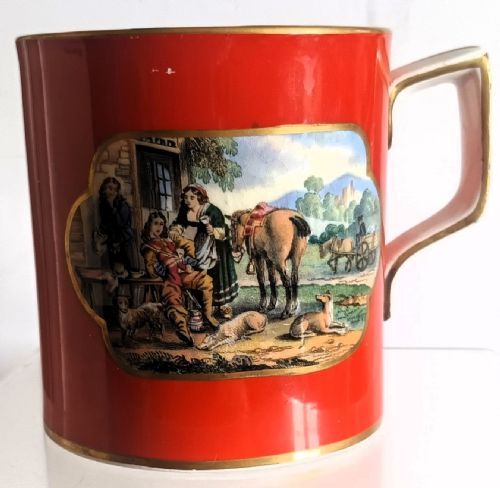
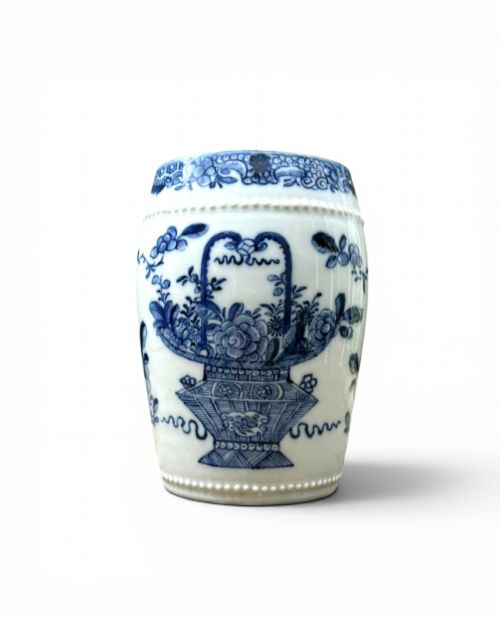
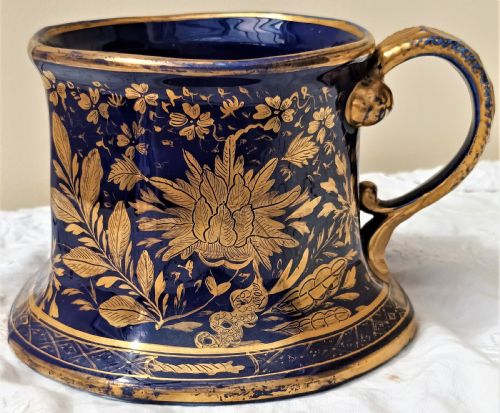
An antique cider mug represents a sturdy vessel designed for serving and drinking cider, appearing in forms ranging from robust earthenware to delicate porcelain tankards. Collectors searching for an antique cider mug will encounter robust drinking vessels spanning the Georgian, Regency, and Victorian periods.
The selections on this page encompass English pottery traditions alongside Chinese export porcelain created for Western markets. These mugs typically take barrel or cylindrical shapes fitted with sturdy loop handles for practical daily use.
How they were made
Potters shaped these vessels using traditional throwing and moulding techniques before applying durable glazes such as cobalt underglaze or enamel paint. Ironstone and earthenware bodies provided the necessary strength for heavy drinking vessels intended for frequent use.
Decoration often involved hand-painted polychrome motifs, gilt accents, and gold leaf applied over porcelain or ironstone bodies. Firing took place in traditional kilns, resulting in the distinct surface textures and glaze variations seen across surviving pieces.
Current listings feature porcelain, ironstone, and earthenware materials spanning the eighteenth and nineteenth centuries.
What varies in quality
Quality in these drinking vessels rests upon the crispness of the moulded form and the skill evident in hand-painted enamel or polychrome decoration. Superior examples display precise brushwork and well-balanced handles that remain securely joined to the main body.
The refinement of the ceramic body also distinguishes finer pieces, with delicate porcelain and dense ironstone representing different tiers of production. Preservation of original gilding and minimal glaze crazing elevate the desirability of individual mugs.
The Antique Cider Mug Glossary
- Ironstone
- A dense, durable type of earthenware patented in the nineteenth century to rival true porcelain. It provides exceptional resistance to chipping during everyday use.
- Polychrome
- Decoration executed in multiple colours, typically applied by hand over or under the glaze. This technique allowed makers to create vibrant pictorial scenes on porcelain and pottery.
- Famille rose
- A major palette of Chinese export porcelain characterised by opaque pink enamel introduced in the eighteenth century. It adorns many export mugs made during the Qianlong period.
- Creamware
- A refined earthenware with a pale yellowish lead glaze, developed in eighteenth-century England. It became a popular alternative to Chinese porcelain for utilitarian vessels.
- Cobalt underglaze
- Pigment applied to the ceramic body before glazing and firing, producing a stable blue colour that withstands high temperatures. It remains impervious to wear from handling.
Antique Cider Mug: Frequently Asked Questions
How do I clean an old mug?
Wash the piece gently by hand using warm water and mild soap to protect the historic glaze and any delicate enamel or gilt decoration.
Avoid soaking the vessel or placing it in a dishwasher, as harsh detergents and prolonged moisture can damage aged ceramic bodies.
Can I still drink from these?
While these mugs were originally made for beverage consumption, older ceramics may develop microscopic cracks or contain trace elements in their glazes.
It is generally wiser to treat antique drinking vessels as decorative objects rather than putting them back into daily service.
What defines a tankard?
A tankard is a tall, cylindrical drinking vessel typically fitted with a single handle and sometimes featuring a hinged lid, though many ceramic examples remain open-topped.
They differ from standard tea mugs by their larger capacity and heavier build, designed originally for ale and cider.
How do I date a porcelain mug?
Dating relies on examining the stylistic traits of the painted motifs, the characteristics of the ceramic paste, and any baseline potting marks.
Comparing the shape and decorative palette to documented pieces from periods like the Qianlong reign or the Georgian era helps narrow down the decade of manufacture.