





Georgian Porcelain Mug
A georgian porcelain mug brings the tactile weight of the eighteenth and nineteenth centuries straight to your desk.
Georgian Porcelain Mug
When you search for georgian porcelain mug, you encounter robust drinking vessels spanning the eighteenth century, the Regency, and into the nineteenth century. The selection ranges from generous porter mugs and tankards to delicate coffee cans and chocolate cups.
Most examples hail from English factories like Worcester, Derby, Lowestoft, and Spode, alongside Chinese Export pieces produced for the Western market. These forms served various beverages, from morning coffee and chocolate to ale.
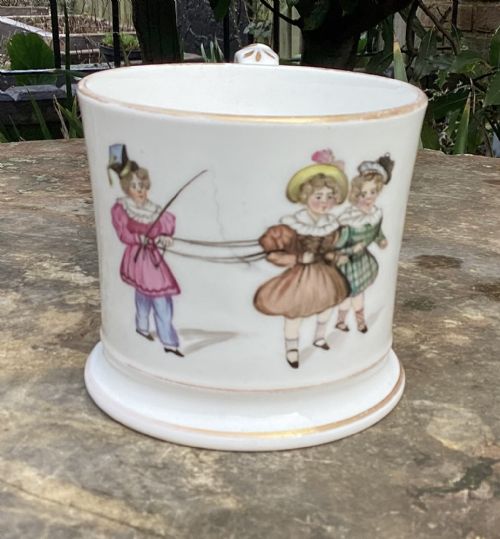
Mugs and tankards appear alongside related teaware items such as cups and saucers, reflecting the broader domestic habits of the period. The barrel-shaped mug and the straight-sided tankard represent the most frequent vessel silhouettes in this category.
Materials and production
Makers utilised soft-paste porcelain and ironstone, shaping the clay on the wheel or in moulds before firing. Early pieces often display the subtle imperfections characteristic of eighteenth-century kilns.
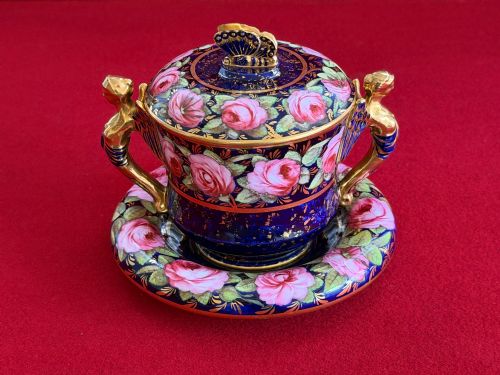
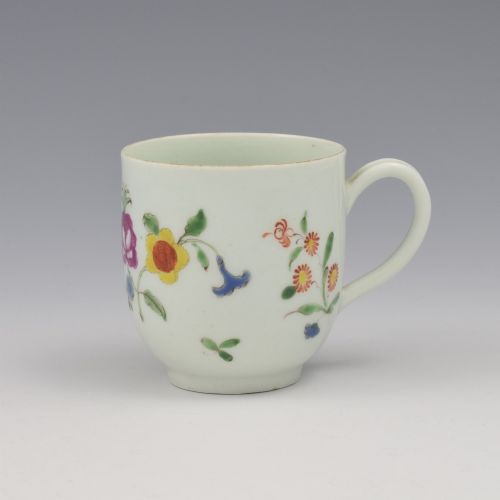
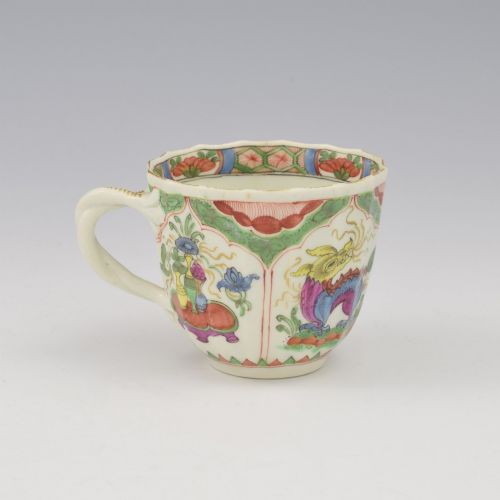
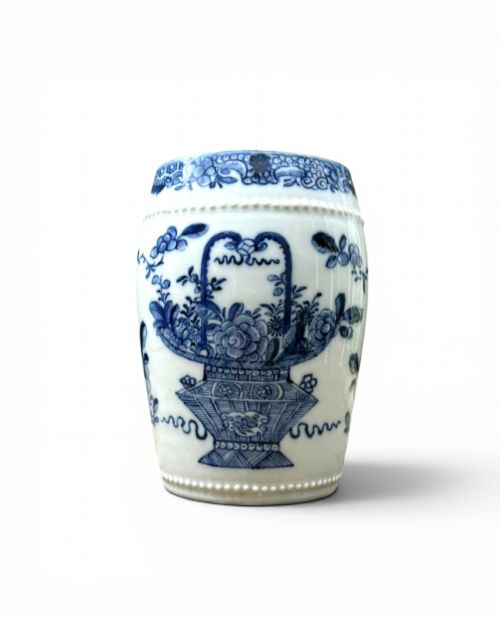
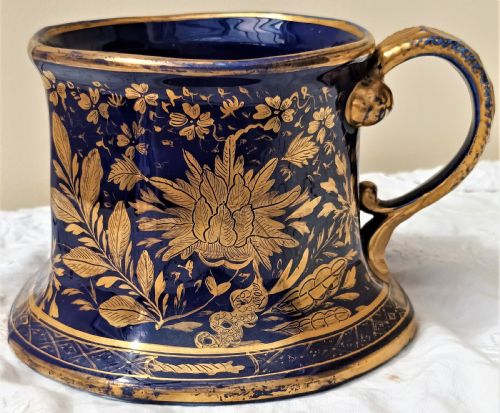
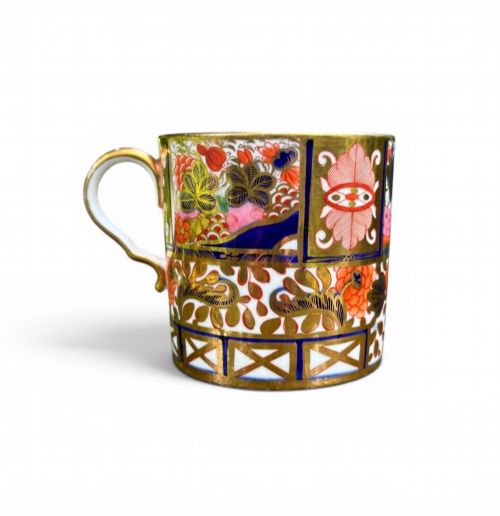
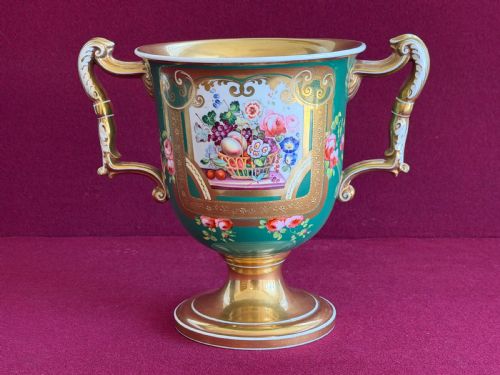
Decoration relied heavily on cobalt underglaze, enamel painting, and rich gilding with gold leaf. Hand-painted chinoiserie scenes, floral motifs, and topographical views brought the white porcelain body to life.
The inventory spans the eighteenth century, the Georgian era, the Regency period, and the nineteenth century.
Assessing the craftsmanship
Quality reveals itself in the crispness of the porcelain body and the precision of the hand-painted details. Superior pieces show confident brushwork in complex subjects like Chinese figures or topographical landscapes.
The application of gold leaf and enamel colours distinguishes standard production from exceptional factory output. Well-balanced handles and clean potting elevate certain mugs above their peers.
Richard Chaffers·Derby Porcelain·H and R Daniel·Lowestoft Porcelain
The Georgian Porcelain Mug Glossary
- Soft-paste porcelain
- An artificial ceramic compound fired at lower temperatures than hard-paste porcelain. It produces a warm, creamy body that absorbs enamel colours brilliantly.
- Cobalt underglaze
- A blue pigment applied to the unfired ceramic body beneath the clear glaze. This technique withstands high kiln temperatures without fading.
- Chinoiserie
- European artistic interpretations of Chinese and East Asian decorative styles. It appears frequently on eighteenth-century porcelain mugs.
- Coffee can
- A straight-sided cylindrical porcelain cup without a handle, popular during the Regency period for drinking strong coffee. These pieces often match saucer sets.
- Porter mug
- A large, sturdy drinking vessel designed for dark malt beers. These mugs possess substantial handles for a secure grip.
Georgian Porcelain Mug: Frequently Asked Questions
What is the difference between a mug and a tankard?
Tankards traditionally describe larger, straight-sided drinking vessels intended for ale or beer, often featuring substantial handles and heavy porcelain bodies.
Mugs can encompass a wider variety of forms, including barrel shapes and smaller drinking vessels used for hot beverages like chocolate.
How do I care for an antique porcelain mug?
Antique porcelain requires gentle hand washing in warm water with mild soap, avoiding dishwashers and harsh abrasive sponges completely.
Display the mug away from direct sunlight and sudden temperature shifts to protect the historic glaze and delicate gold leaf.
Were these mugs used for daily drinking?
Many porcelain mugs served functional roles in Georgian and Regency households for morning coffee, chocolate, or evening ale.
Finer painted examples with extensive gilding likely served ornamental purposes or saw use only during special social occasions.
How can I tell First Period Worcester from later wares?
First Period Worcester porcelain, produced under Dr Wall, dates between roughly 1751 and 1783. These pieces often feature characteristic translucent bodies and distinct crescent or square fret marks.
Later nineteenth-century productions show different paste compositions, brighter enamel palettes, and factory marks specific to the Regency period.