


Georgian Cider Tankard
These georgian cider tankard pieces are stout vessels of ceramic, metal, and glass designed for hearth and table use, prized for their robust utility and period character.
Georgian Cider Tankard
A georgian cider tankard encompasses sturdy drinking vessels, mugs, flagons, and pitchers originating from the eighteenth and nineteenth centuries. The selection on this page ranges from export porcelain and creamware to ironstone, pewter, and Old Sheffield Plate.
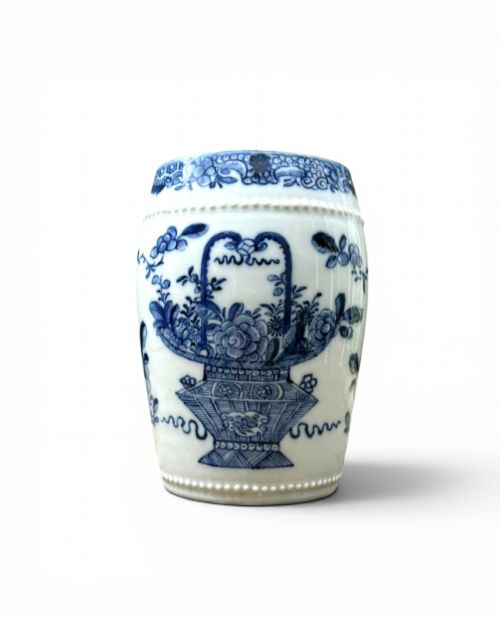
Buyers encounter forms that include barrel-shaped porcelain mugs, lidded pewter flagons, and substantial silver plated beer jugs. These items reflect the domestic and tavern drinking habits of the period, spanning styles from Chinese Export to Regency.
Most examples date across the eighteenth and nineteenth centuries, including specific periods like the Qianlong era. The forms vary from intimate single-serving mugs to large half-gallon capacity flagons.
Materials and construction methods
Metal vessels utilise pewter, copper, and Old Sheffield Plate, combining fused metals and soldered components to create durable serving containers. Pewter items often feature capacity marks and makers' stamps directly into the metal.
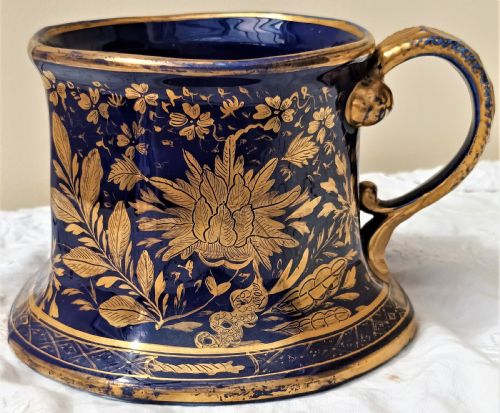
Ceramic examples employ porcelain, creamware, and ironstone, shaped by hand or mould before receiving glazes and polychrome enamels. Some pieces incorporate applied gold leaf or intricate hand-painted decoration typical of eighteenth-century factories.
Some pewter measures carry capacity stamps that ensured customers received every drop of their cider.
Distinctions in craftsmanship and survival
Quality rests upon the crispness of the original form, whether the sharp lines of a pewter flagon or the detailed polychrome painting on a porcelain mug. Greater skill shows in the proportion of handles, the tight fit of lids, and the preservation of early marks.
Wear and survival dictate the character of each piece, distinguishing items with intact glazes and original metal surfaces from those bearing heavy restoration. The clarity of touchmarks on pewter and the depth of plating on Old Sheffield items separate standard domestic wares from finer productions.
John De St Croix·Mason's·Derby Porcelain·Lowestoft Porcelain·Mortlake
The Georgian Cider Tankard Glossary
- Old Sheffield Plate
- A composite material made by fusing a thin sheet of silver to a thicker copper base. This technique produces durable items that show subtle hints of copper beneath worn high points.
- Creamware
- A refined earthenware developed in the eighteenth century with a pale yellowish lead glaze. It became a staple of British dining tables for its clean appearance and versatility.
- Ironstone
- A heavy, durable type of earthenware patented in the nineteenth century. It resists chipping and provides a dense body suitable for busy domestic mugs.
- Flagon
- A large drinking vessel with a handle and frequently a lid, intended for communal or heavy service. These pieces often held substantial liquid capacity for ale or cider.
- Polychrome
- Decoration employing multiple colours, typically applied by hand over or under the glaze on ceramic bodies. This style brings vibrancy to eighteenth-century porcelain tankards.
Georgian Cider Tankard: Frequently Asked Questions
What is a georgian cider tankard used for?
These vessels served to hold, carry, and pour beverages like cider and ale in homes and taverns.
Their sturdy construction handled daily use at the table or hearth.
How do I care for antique metal vessels?
Clean pewter and Old Sheffield Plate gently with mild soap and soft cloths, avoiding harsh abrasives that remove historic patina.
Keep them dry to prevent surface corrosion and store them away from damp environments.
How do I distinguish porcelain from ironstone?
Porcelain has a vitrified, translucent body that lets light pass through thin sections, often with delicate painted details.
Ironstone is opaque, heavier, and built for robust everyday utility.
Are all these tankards made for drinking?
Most functioned as drinking mugs or serving pitchers, while larger capacity flagons acted as storage or communal vessels.
Some surviving pieces functioned primarily as measurement standards in local jurisdictions.