



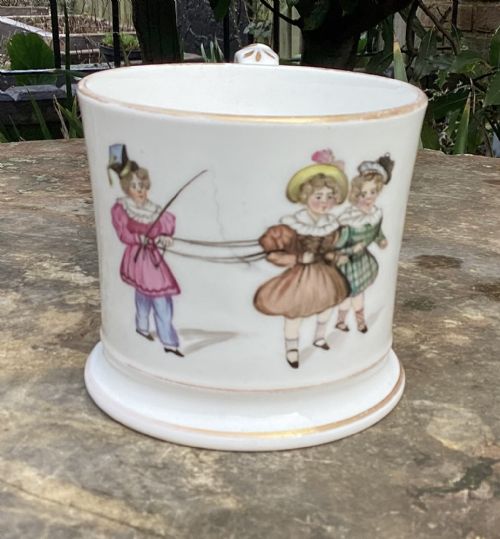


Antique Porcelain Tankard
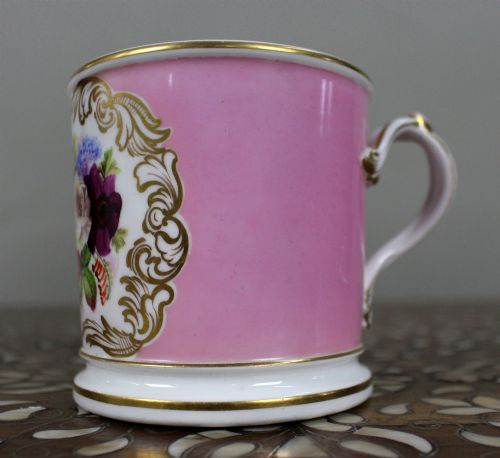
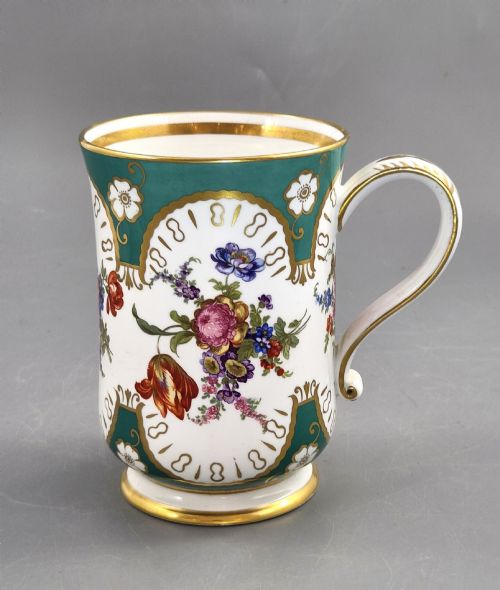
An antique porcelain tankard holds a drink as solidly as earthenware, yet carries the delicate painted scene of a cabinet piece.
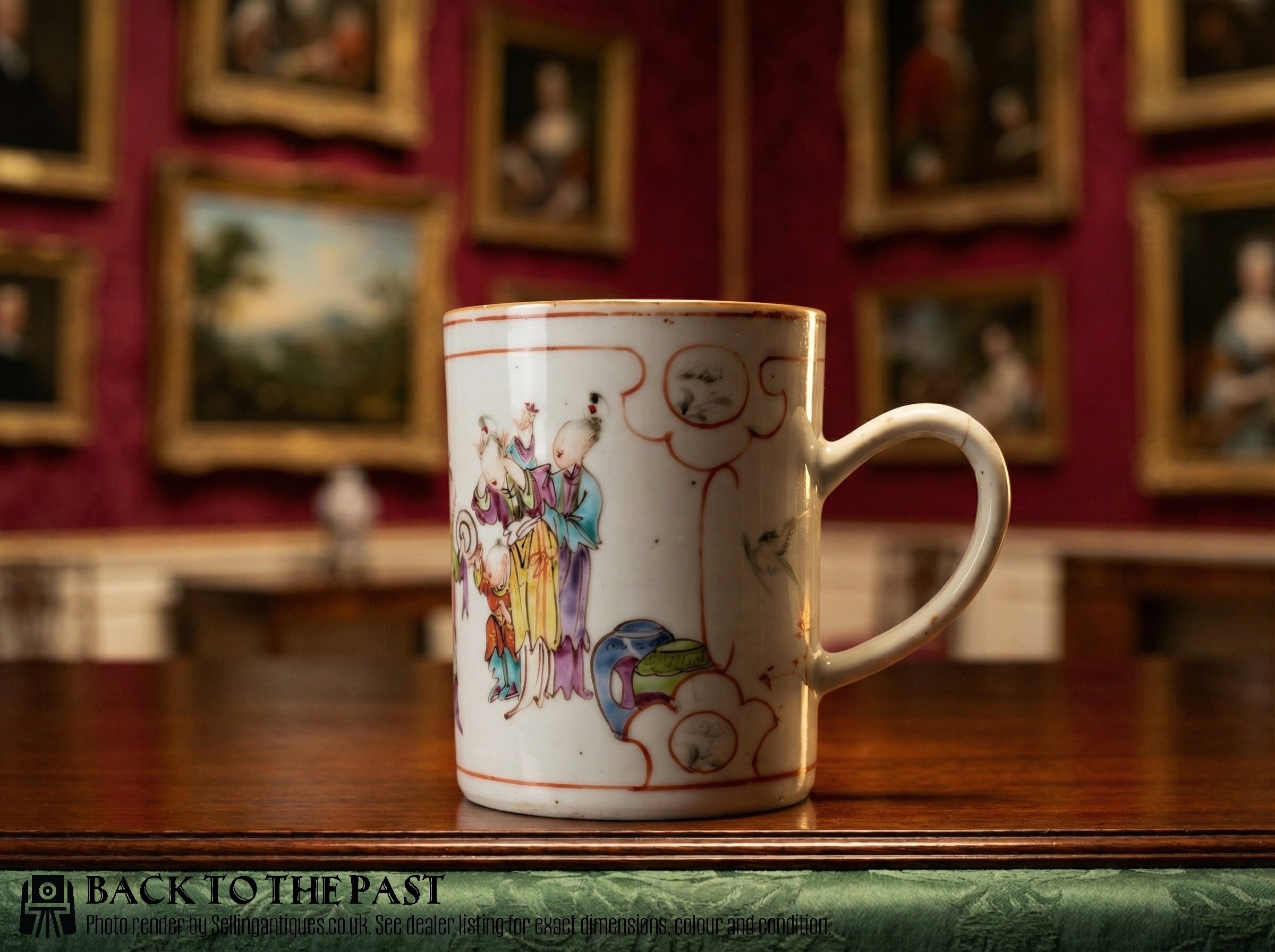
Antique Porcelain Tankard
An antique porcelain tankard represents a sturdy drinking vessel transformed into a canvas for fine ceramic artistry. These pieces span eighteenth-century Chinese export wares and nineteenth-century English manufactories.
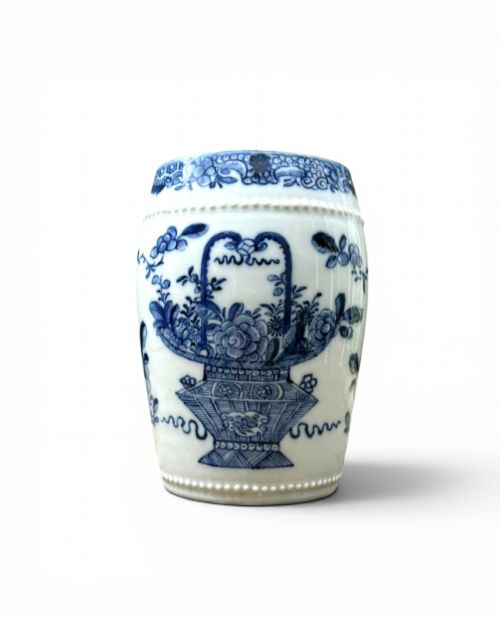
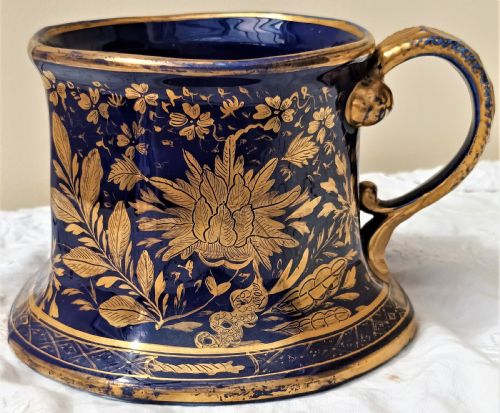
The versions most common here include barrel-shaped mugs from the Qianlong period and porter mugs from the Georgian era. Makers utilised hard-paste porcelain and ironstone to form these substantial cylindrical vessels.
Collectors encounter everything from simple Chinese export tankards to heavily decorated French Old Paris cabinet mugs and Worcester porcelain pieces. Each object balances the practical form of a drinking mug with decorative painted or gilt surfaces.
How they were made
Potters shaped hard-paste porcelain and ironstone on the wheel or in moulds to form the thick walls required for a sturdy tankard. They applied cobalt underglaze, enamel paints, and gold leaf before firing the ceramic body to fix the colours.
Surface decoration frequently involved hand-painted Chinese export scenes, floral motifs, or topographical views. Artisans then added gilt highlights and glossy glazes to protect the delicate enamel work.
Antique Porcelain Tankard Retail Price Guide 2026
Typical asking prices for porcelain tankard among the pieces listed under this phrase on Sellingantiques today, from the lower quarter to the upper quarter. They describe what is for sale here now, not the wider market.
Listings feature hard-paste porcelain, ironstone, and enamel alongside gold leaf gilding across the eighteenth and nineteenth centuries.
What varies in quality
The distinction between standard domestic wares and top-tier cabinet pieces lies in the precision of the hand painting and the crispness of the porcelain body. Pieces featuring detailed polychrome scenes or intricate gold leaf gilding demonstrate superior artistry.
Makers such as Worcester and Derby achieved finer potting and more refined enamelling than anonymous regional factories. The weight of the porcelain and the stability of the handle attachment also separate everyday mugs from exhibition-quality tankards.
Grainger Worcester·Derby Porcelain·Hadley Worcester·Lowestoft Porcelain
The Antique Porcelain Tankard Glossary
- Hard-Paste Porcelain
- A durable ceramic composition fired at high temperatures using kaolin and petuntse. This material forms a dense, vitrified body that resists scratching.
- Cobalt Underglaze
- A blue pigment applied to the raw ceramic body before glazing and firing. This technique ensures the colour sinks permanently beneath the glassy surface.
- Ironstone
- A heavy, dense ceramic developed in the nineteenth century to imitate porcelain. It offers exceptional strength for functional vessels while accepting enamel colours well.
- Polychrome
- Decoration employing multiple distinct enamel colours on a ceramic surface. Artisans painted these pigments by hand over the initial glaze.
- Gilt
- A thin layer of gold applied to the rim, handle, or decorative borders of the porcelain. This finish elevates a functional drinking vessel into a luxury display piece.
Antique Porcelain Tankard: Frequently Asked Questions
Were these tankards used for drinking?
Most antique porcelain tankards served as functional drinking vessels for ale, porter, or beer during the eighteenth and nineteenth centuries. Their thick walls helped maintain the temperature of the beverage while the sturdy handle provided a secure grip.
Over time, many fine examples transitioned from the dining table to the cabinet. Their intricate hand-painted scenes made them better suited for display than everyday tavern use.
How do I date an 18th-century tankard?
Dating relies on stylistic clues, paste composition, and painted motifs rather than stamped marks, which were rarely used early on. Eighteenth-century Chinese export pieces often display characteristic Qianlong palette colours and potting traits.
English factories from the same era used distinct porcelain bodies and glaze characteristics. Comparing the decorative style to documented factory patterns helps narrow down the decade of production.
What is the difference between a mug and a tankard?
A tankard traditionally refers to a large, single-handled drinking vessel with straight or slightly tapered sides. The term often implies a more substantial capacity and a heavier ceramic body than a standard tea mug.
In historical ceramics, the categories overlap frequently. Makers and collectors often use mug and tankard interchangeably for cylindrical handled drinking vessels.
How should I display porcelain tankards?
Display these vessels in enclosed cabinets away from direct sunlight to protect enamel colours and gold leaf from fading. Ensure the shelves are stable and deep enough to support the heavy base of ironstone or hard-paste porcelain.
Keep them away from areas with heavy foot traffic or vibration. Handling should remain minimal to protect fragile painted surfaces and historic handles.