
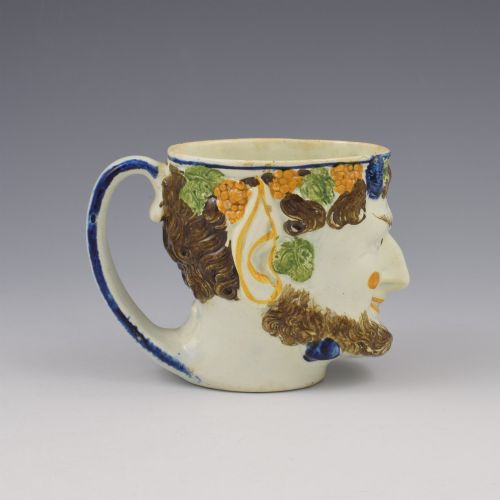
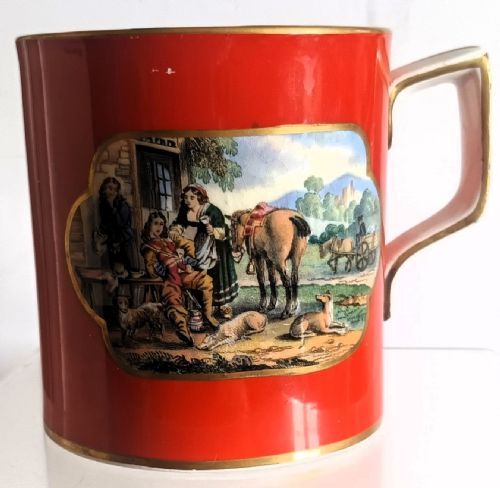


Polychrome Ceramic Tankard
A polychrome ceramic tankard is a robust drinking vessel painted in multiple colours, offering a tangible link to eighteenth and nineteenth-century taverns and parlours.
Polychrome Ceramic Tankard
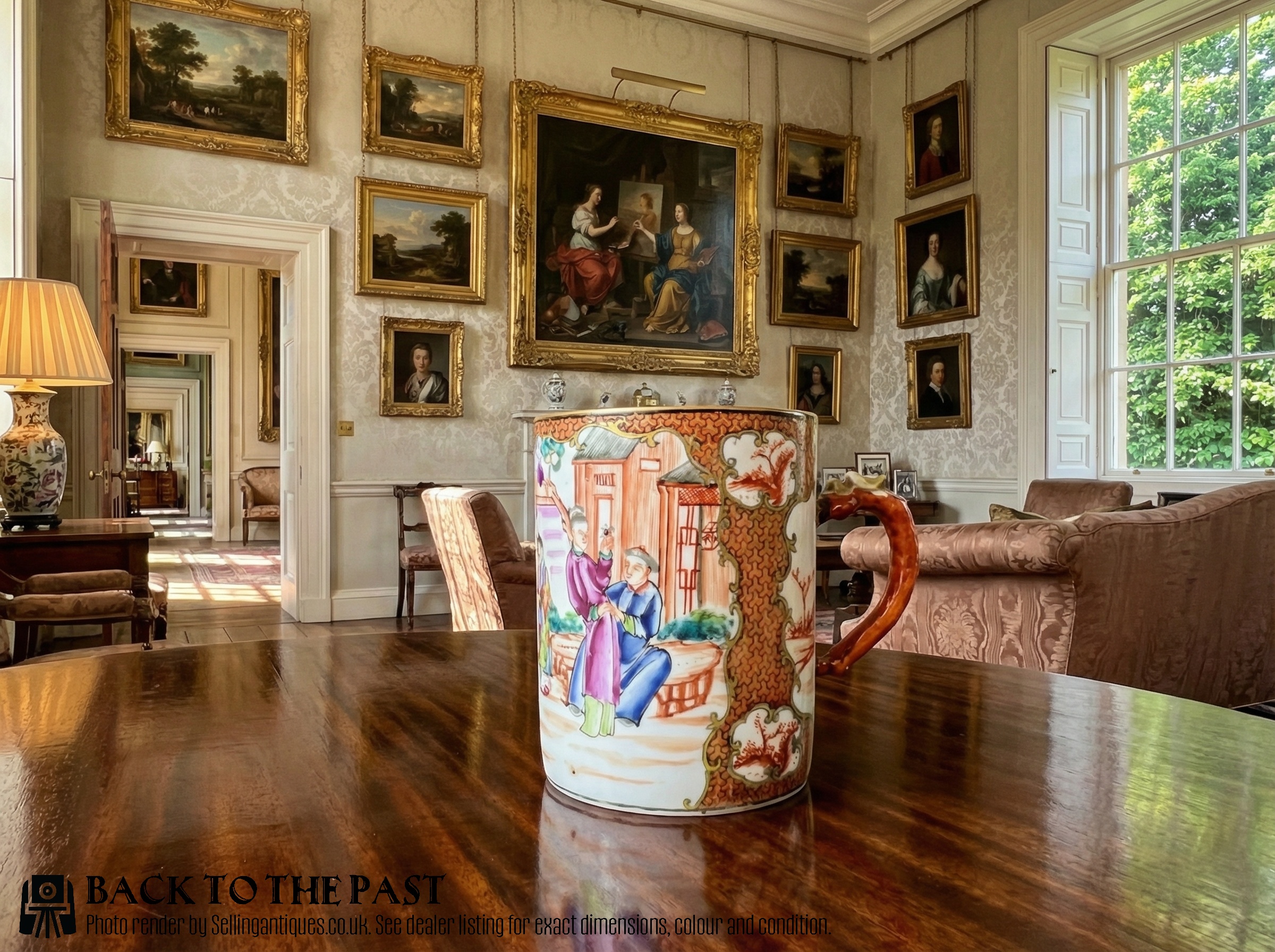
A polychrome ceramic tankard encompasses sturdy utilitarian mugs and display pieces originating from English, European, and Asian kilns. When searching for a polychrome ceramic tankard, a buyer encounters forms ranging from Staffordshire pearlware and creamware to Chinese export porcelain and German faience.
The selection on this page demonstrates various historical expressions, including Georgian Staffordshire figures and Qing dynasty export porcelain. Most pieces span the eighteenth and nineteenth centuries, reflecting domestic consumption and international trade routes of the period.
Mugs and tankards appear in different capacities, from half-pint vessels to large drinking vessels featuring sculptural elements like satyr masks or interior ceramic frogs. These pieces serve as drinking vessels or cabinet displays, showcasing the diverse ceramic traditions of their respective eras.
Materials and production methods
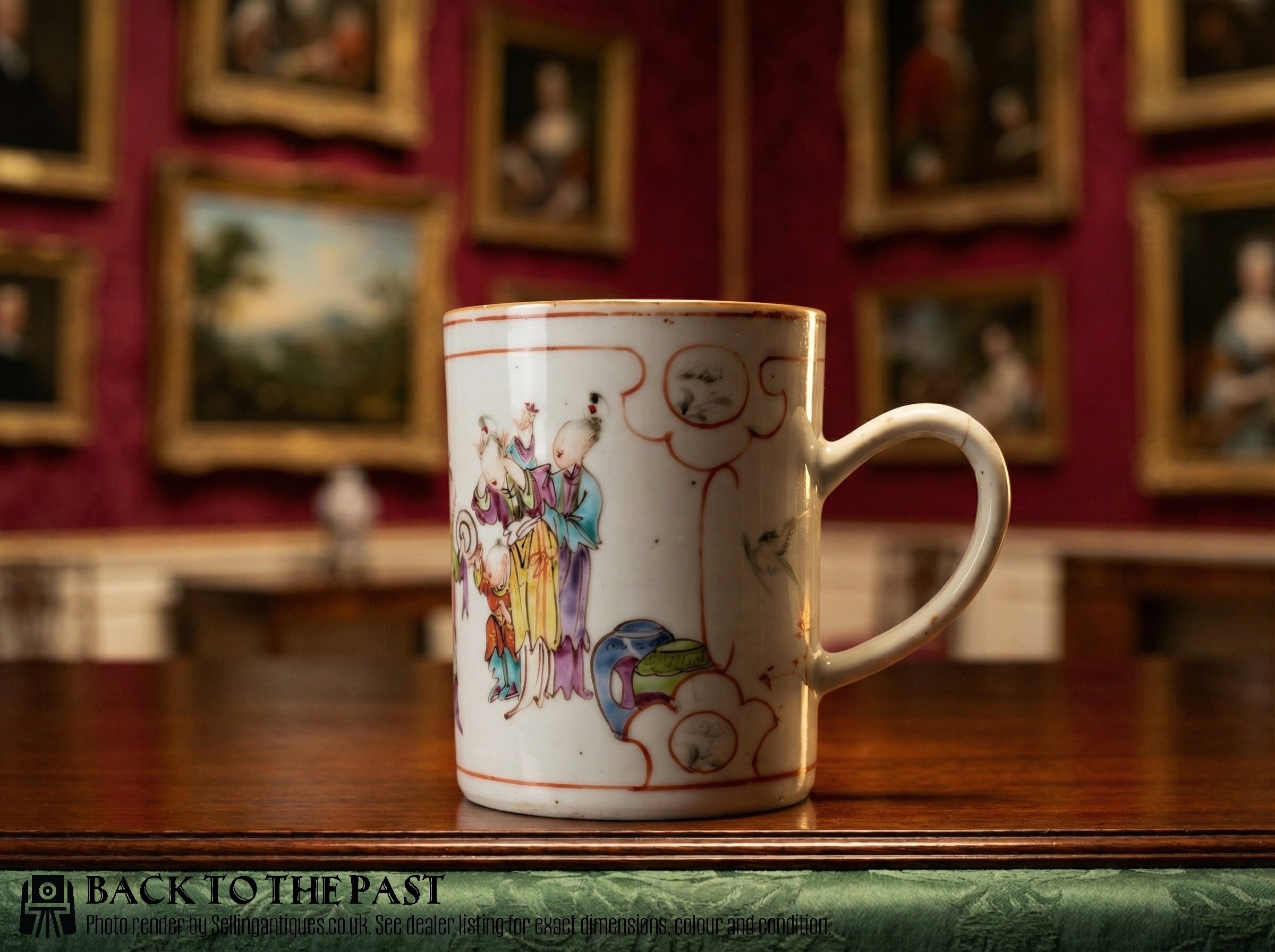
Makers shaped these vessels using earthenware, creamware, pearlware, faience, and porcelain. Potters threw or moulded the clay before applying glazes and painting mineral pigments directly onto the surface.
Decoration relied on enamel colours, sometimes enhanced with gold leaf or gilt details. Chinese export pieces utilised the famille rose and famille vert palettes, whilst English potteries employed underglaze and overglaze enamel painting on pearlware and creamware bodies.
Listings feature pearlware, creamware, porcelain, and faience spanning the eighteenth and nineteenth centuries.
Assessing quality and craftsmanship
The distinction between standard utility items and finer pieces lies in the precision of the modelling and the control of the enamel painting. Delicately rendered Chinese export porcelain and finely moulded Staffordshire earthenware display a higher degree of artisan skill than mass-produced tavern mugs.
The Polychrome Ceramic Tankard Glossary
- Pearlware
- A refined earthenware developed in the late eighteenth century featuring a subtle blue-tinted glaze designed to mimic Chinese porcelain.
- Creamware
- A fine-grained earthenware with a warm yellowish lead glaze, perfected by English potters during the Georgian period.
- Faience
- European tin-glazed earthenware, often produced in Germany and decorated with opaque coloured glazes.
- Famille Rose
- A palette of Chinese porcelain decoration distinguished by opaque pink or rose enamel colours introduced during the Qing dynasty.
Polychrome Ceramic Tankard: Frequently Asked Questions
What is a frog mug?
A frog mug is a drinking vessel featuring a small ceramic frog modelled inside the base, designed to surprise the drinker as the liquid recedes.
These pieces were popular in English taverns during the Georgian and nineteenth centuries as novelty items.
How do I date a ceramic tankard?
Dating relies on identifying the ceramic body, glaze characteristics, and decorative style, comparing them against known production periods.
English pearlware and creamware typically point to the late eighteenth or early nineteenth century, whilst Chinese export porcelain aligns with specific dynastic reigns.
Were these tankards used for beer?
These vessels served everyday drinking purposes for beer, ale, and other beverages in homes and public houses.
Larger tankards and German steins held substantial quantities for communal or heavy consumption.
What does polychrome mean?
Polychrome describes an object decorated in multiple distinct colours rather than a single monochrome tone.
On these tankards, the term refers to hand-painted enamel designs utilising reds, greens, pinks, and blues.