
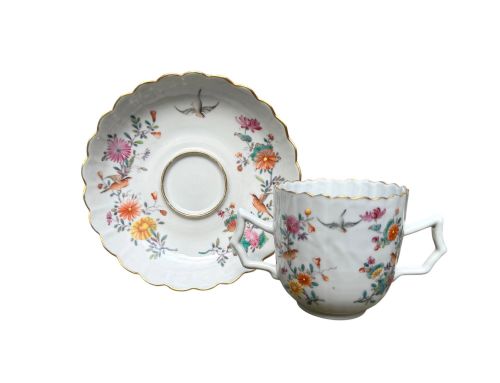
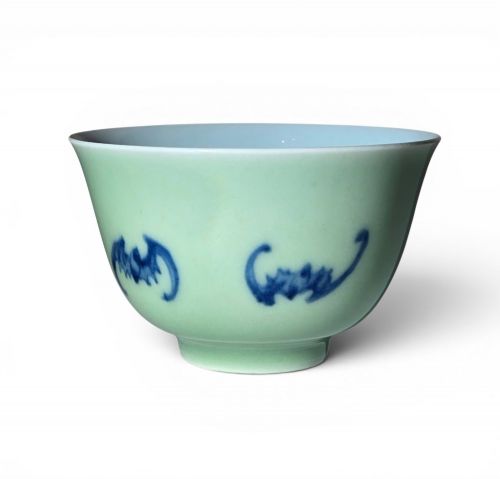


Qianlong Porcelain Cup
A qianlong porcelain cup brings eighteenth-century kiln mastery to the table, offering collectors delicate tea wares and robust mugs adorned with vibrant enamels.
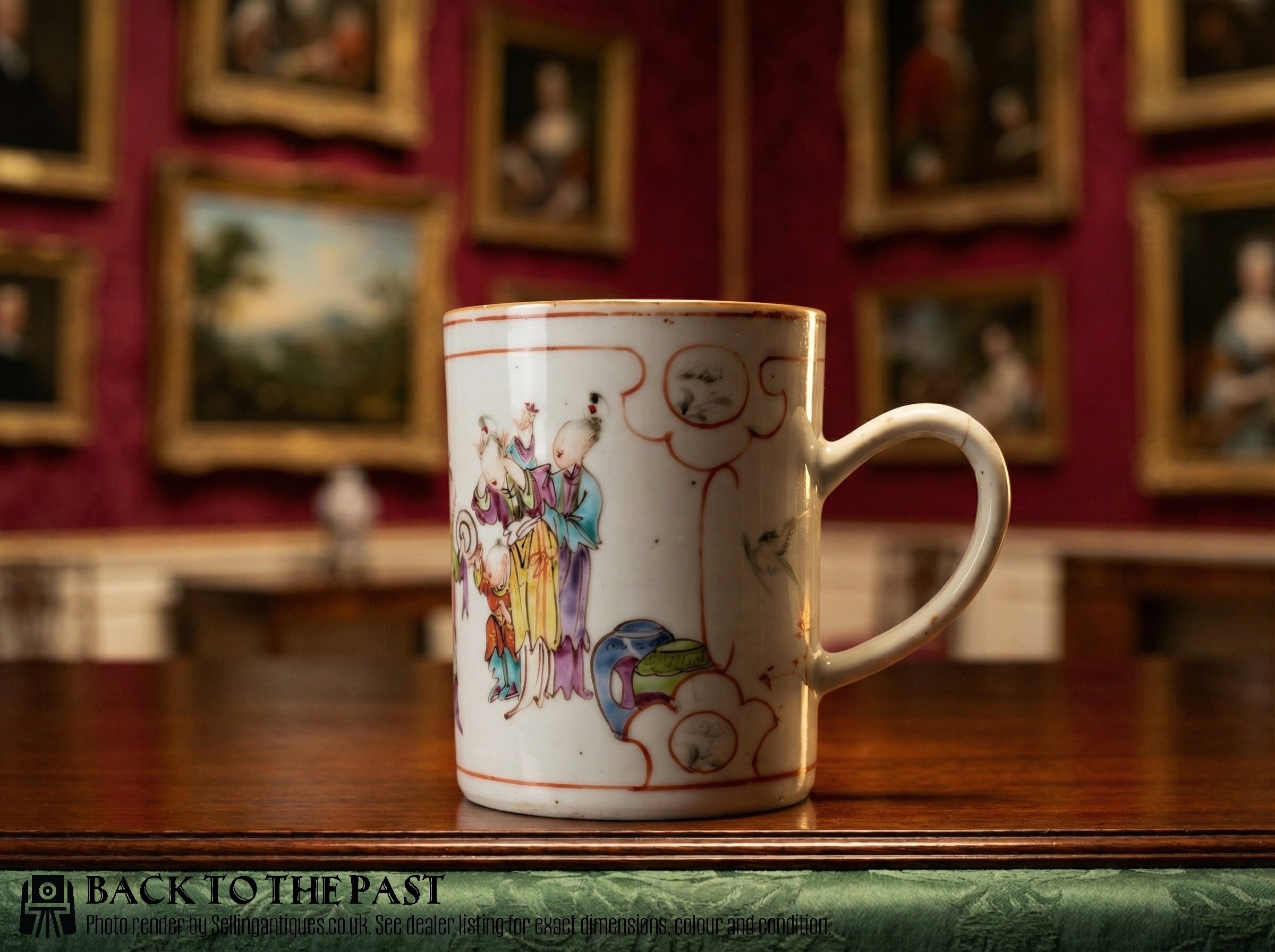
Qianlong Porcelain Cup
A qianlong porcelain cup encompasses eighteenth-century tea bowls, teacups with saucers, and larger mugs from the Qing Dynasty. These pieces emerge from Chinese export production and domestic output during the reign of the Qianlong period.
Buyers most frequently encounter famille rose enamels and underglaze blue designs on hard-paste porcelain forms. The selection ranges from delicate tea wares with stands to substantial mugs and tankards.
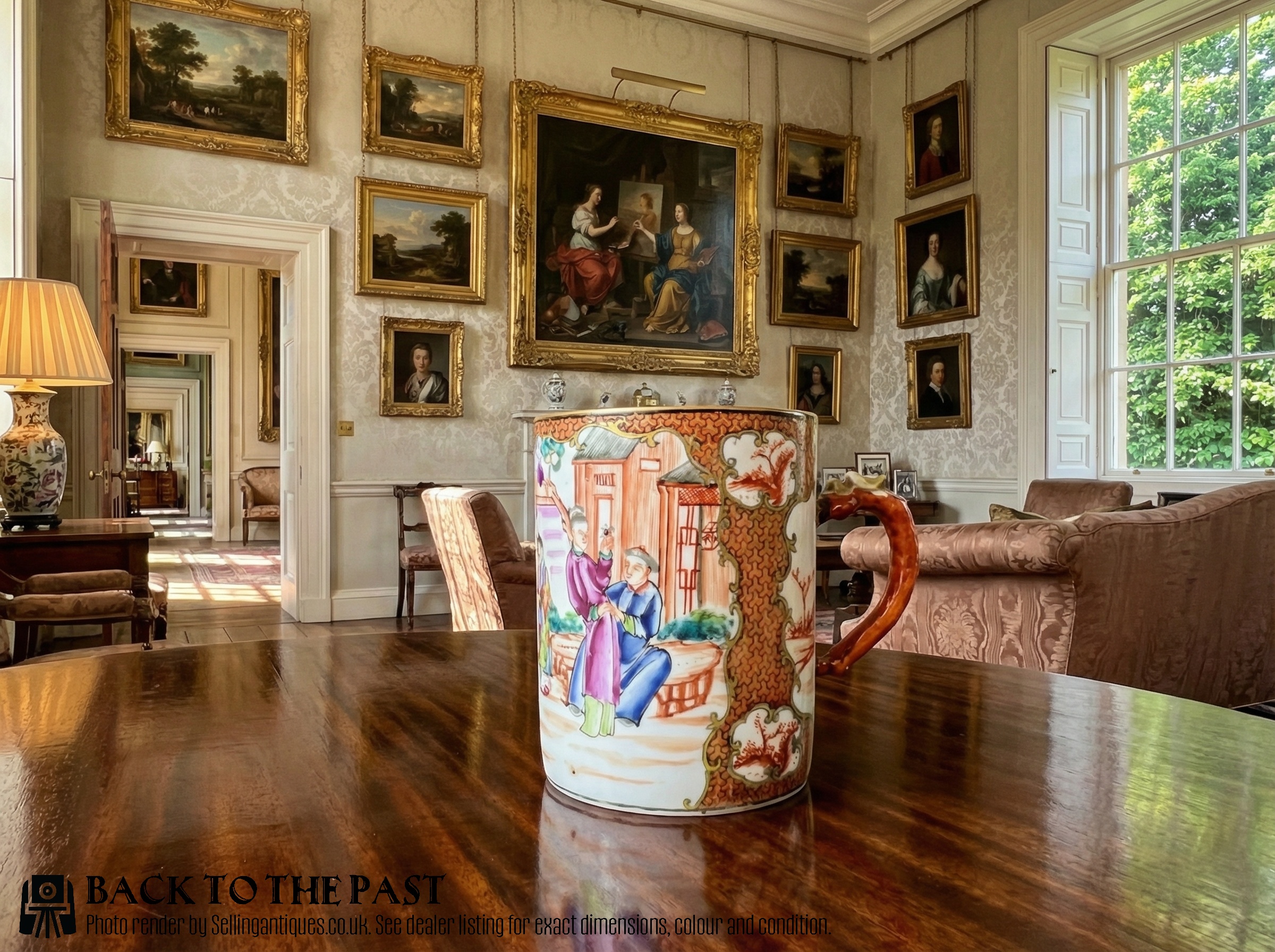
The objects span periods around seventeen-fifty and the broader span of the eighteenth century. Mandarin palette acrobatics scenes, celadon grounds, and Amsterdam Bont decorations appear across the surviving inventory.
Materials and Technique
Potters shaped hard-paste porcelain using fine china clay to create thin-walled tea bowls alongside thick-walled mugs. Glazes seal the ceramic body before artisans apply detailed decoration.
Workshops utilised overglaze enamel, famille rose pigments, gold leaf, and gold gilt to build colourful pictorial surfaces. Underglaze blue techniques also define specific decorated pieces before final firing.
Current listings span the eighteenth century, featuring hard-paste porcelain decorated with enamel, gold leaf, and glaze.
Assessing Quality
The refinement of the painted brushwork dictates the standing of a qianlong porcelain cup within its class. Controlled detailing in figural scenes and floral motifs separates standard trade pieces from superior examples.
The purity of the porcelain body and the crispness of the glaze application determine overall visual success. Richness in the application of overglaze enamel and gold gilt adds distinct optical depth.
The Qianlong Porcelain Cup Glossary
- Hard-paste porcelain
- A dense, vitrified ceramic fired at high temperatures using kaolin and petuntse. This material forms the durable body of eighteenth-century Chinese cups.
- Famille rose
- A palette of opaque overglaze enamels dominated by pink or rose colours introduced during the Qing Dynasty. Artisans used these pigments to render detailed pictorial scenes.
- Underglaze blue
- Cobalt pigment painted directly onto the unglazed porcelain body before applying a clear glaze and firing. This technique creates permanent blue designs beneath the glossy surface.
- Amsterdam Bont
- Chinese export porcelain decorated or augmented in workshops in Amsterdam with additional enamels. This European reworking created distinct secondary colour schemes.
- Mandarin palette
- A style of Chinese export porcelain featuring elaborate courtly figures and narrative scenes within bordered panels. These designs reflect eighteenth-century European demand for exotic imagery.
Qianlong Porcelain Cup: Frequently Asked Questions
How were these cups used originally?
Wealthy households utilised these pieces for serving tea from specialised teawares, cups, and matching saucers. Larger mugs and tankards served various table beverages.
Many pieces were created for the export market, bridging Chinese manufacturing traditions with European dining customs.
How do I care for my cup?
Display these porcelain vessels away from direct sunlight and areas subject to sudden temperature changes. Gentle handling preserves the delicate overglaze enamels and gold gilt.
Clean them only by hand using lukewarm water and mild soap, avoiding harsh abrasives that could damage the historic ceramic surface.
How can I identify the period?
Look for stylistic markers such as famille rose palettes, Mandarin figure scenes, and specific celadon grounds characteristic of the eighteenth century. Characteristics of hard-paste porcelain and export styles aid attribution.
Some pieces carry specific reign marks or align with documented design periods between seventeen-thirty-six and seventeen-ninety-five.