
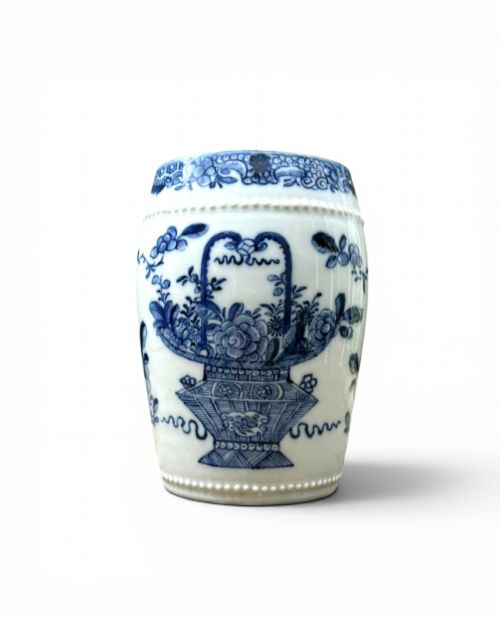


Antique Chinese Mug
An antique chinese mug brings centuries of hand-painted porcelain and silver craftsmanship straight to the table.
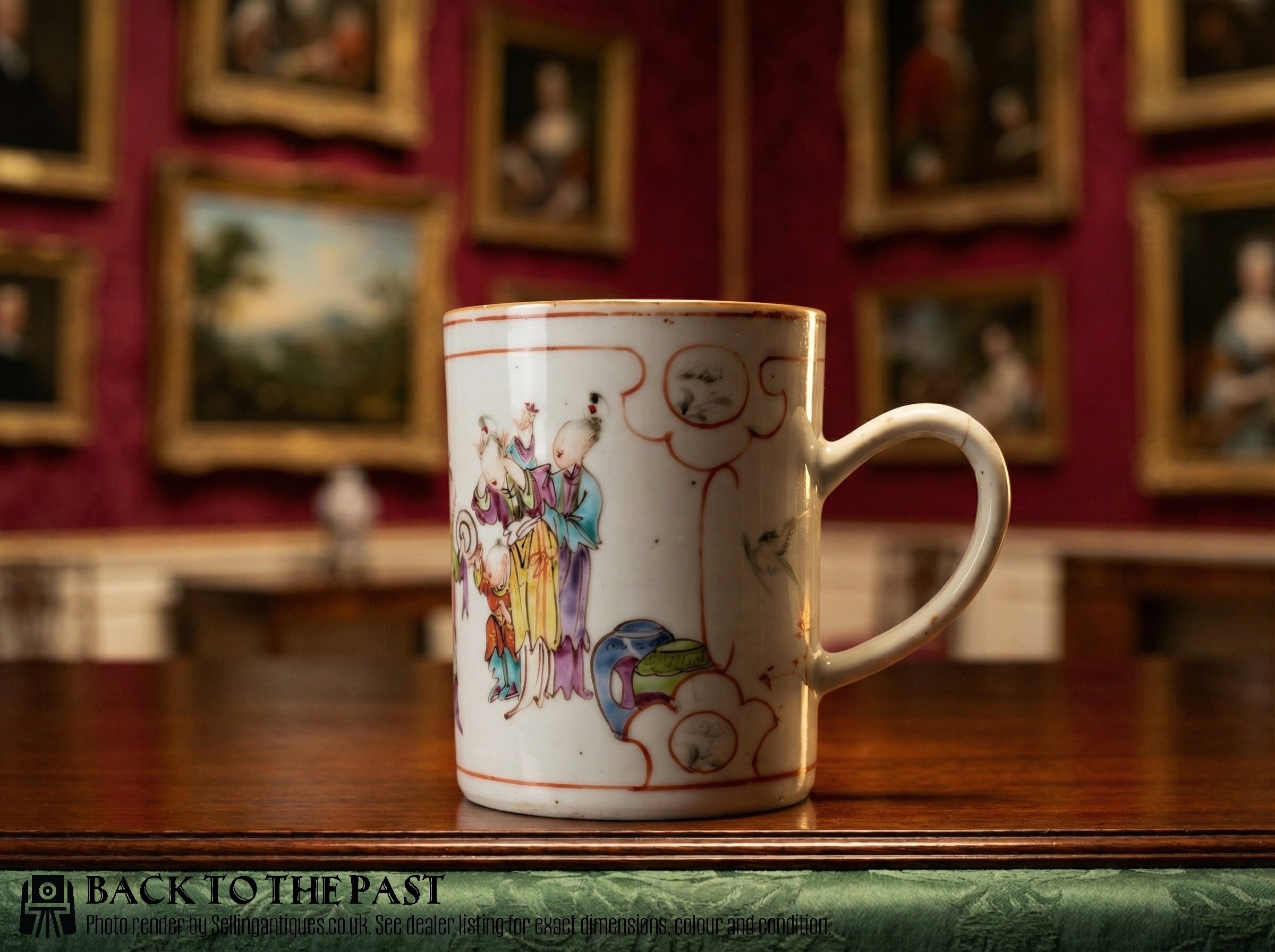
Antique Chinese Mug
An antique chinese mug embodies the rich intersection of Eastern production and Western utility, taking forms such as cylindrical tankards and barrel-shaped vessels. Buyers examining this category encounter robust drinking vessels produced primarily for export markets during the eighteenth and nineteenth centuries.
The material record spans porcelain, soft-paste porcelain, and earthenware alongside precious metals like silver. Surviving examples frequently display intricate hand-painted decoration reflecting Qing Dynasty aesthetics alongside European Chinoiserie interpretations.
Pieces range from large Qianlong period porcelain mugs featuring polychrome enamel palettes to later silver tankards bearing regional maker marks. This variety offers collectors tangible links to historical trade routes and domestic dining customs.
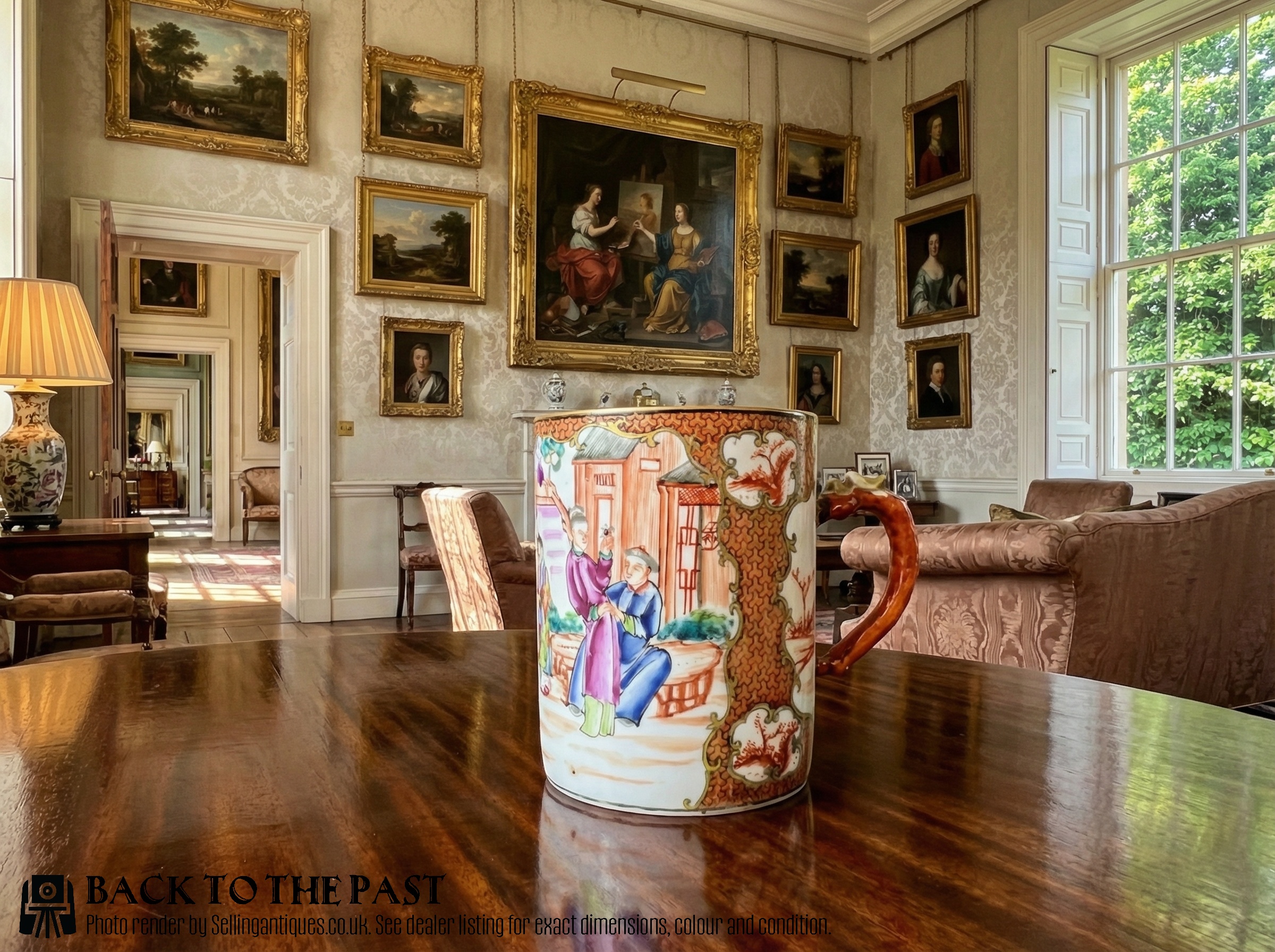
How they were made
Makers utilised high-fired porcelain and soft-paste ceramic bodies formed into sturdy handle-bearing shapes suitable for daily consumption. Cobalt underglaze provided deep blue foundational designs, while subsequent enamels and gold leaf added surface colour and metallic detailing.
Silver variants involved hammering and soldering techniques to shape solid metal into commemorative christening vessels and large tankards. Artisans applied precise engraving and repoussé work to decorate the exterior surfaces with heraldic crests and traditional motifs.
Some sturdy export mugs crossed oceans just to hold an eighteenth-century gentleman's morning ale before settling onto quiet display shelves.
What varies in quality
The refinement of the painted brushwork separates standard production from exceptional work, particularly in the rendering of facial expressions and garment folds on figural scenes. Precision in cobalt underglaze application and the vibrancy of famille rose enamels indicate superior kiln control and pigment selection.
Structural integrity and the crispness of moulded or hammered details distinguish finer vessels from utilitarian wares. The inclusion of precious elements like gold leaf or solid silver further elevates the status of an individual piece.
Wang Hing
The Antique Chinese Mug Glossary
- Qianlong Period
- The era spanning the eighteenth century marked by significant output of porcelain destined for Western export markets. Pieces from this time frequently utilise rich enamel palettes.
- Cobalt Underglaze
- A blue pigment applied to ceramic bodies before glazing and firing at high temperatures. This technique ensures the colour remains permanent and protected beneath a glassy surface.
- Famille Rose
- A palette of opaque rose-pink enamels introduced during the Qing Dynasty. It allowed artists to achieve subtle tonal gradations in floral and figural compositions.
- Chinese Export
- Goods manufactured in China specifically for European and American consumers. These items often blend traditional Asian forms with Western functional requirements.
- Soft-paste Porcelain
- A ceramic material composed of clay and glass frit fired at lower temperatures than hard-paste. It possesses a warm tone and a slightly softer surface texture.
Antique Chinese Mug: Frequently Asked Questions
How were antique Chinese mugs used?
These vessels served as functional drinking containers for ale, beer, or hot beverages in domestic settings. Many larger tankards were also displayed on sideboards to demonstrate household wealth.
Over time, some pieces transitioned into decorative cabinet items or specialised presentation pieces, such as silver christening mugs.
How do I date an antique Chinese mug?
Dating relies on examining the ceramic body, glaze characteristics, and decorative styles associated with specific historical periods like the eighteenth century. Reign marks and historical trade patterns provide further chronological context.
Silver variants often feature hallmarks and maker stamps that narrow down the production year to a specific decade.
What is the difference between porcelain and earthenware mugs?
Porcelain is fired at much higher temperatures, resulting in a dense, vitrified body that is impermeable to liquids and often translucent. Earthenware is more porous and requires an applied glaze to hold liquids.
Export mugs are predominantly porcelain, offering greater durability and a finer surface for detailed enamel painting.
How should I care for an antique mug?
Display or store ceramic and silver mugs away from direct sunlight and temperature extremes to protect fragile enamels and gold leaf. Hand washing with mild soap and water is necessary if cleaning is required.
Avoid abrasive cloths or chemical cleaners that can damage the glaze or polish.