


Chinese Figurative Porcelain
Chinese figurative porcelain pieces are hand-painted ceramic vessels depicting human and court figures, sought after for their rich palette and historical detail.
Chinese Figurative Porcelain
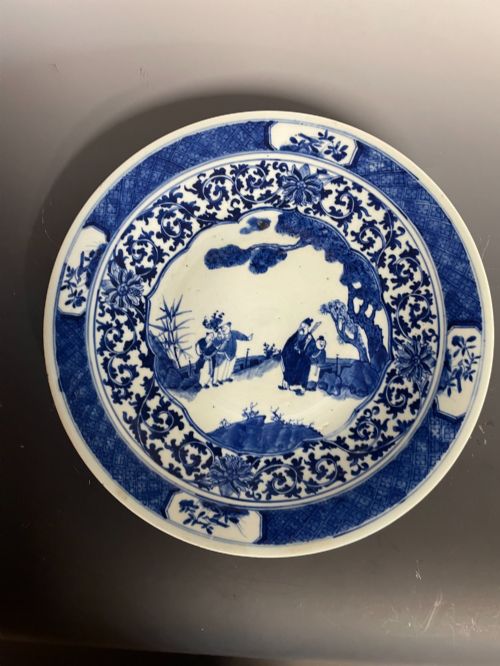
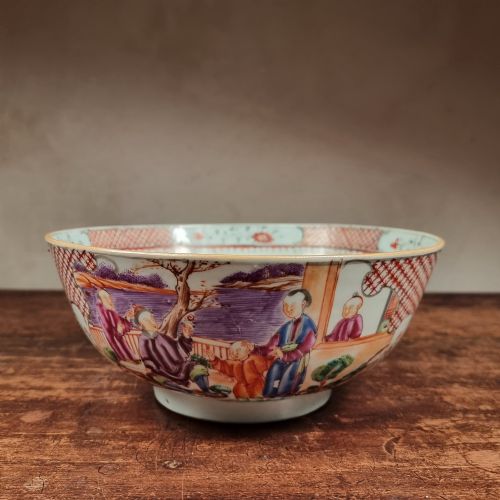
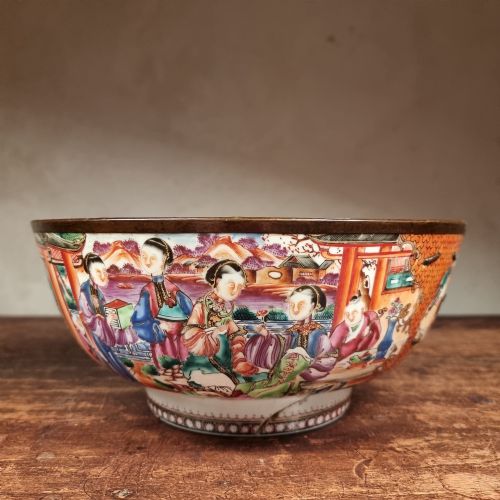
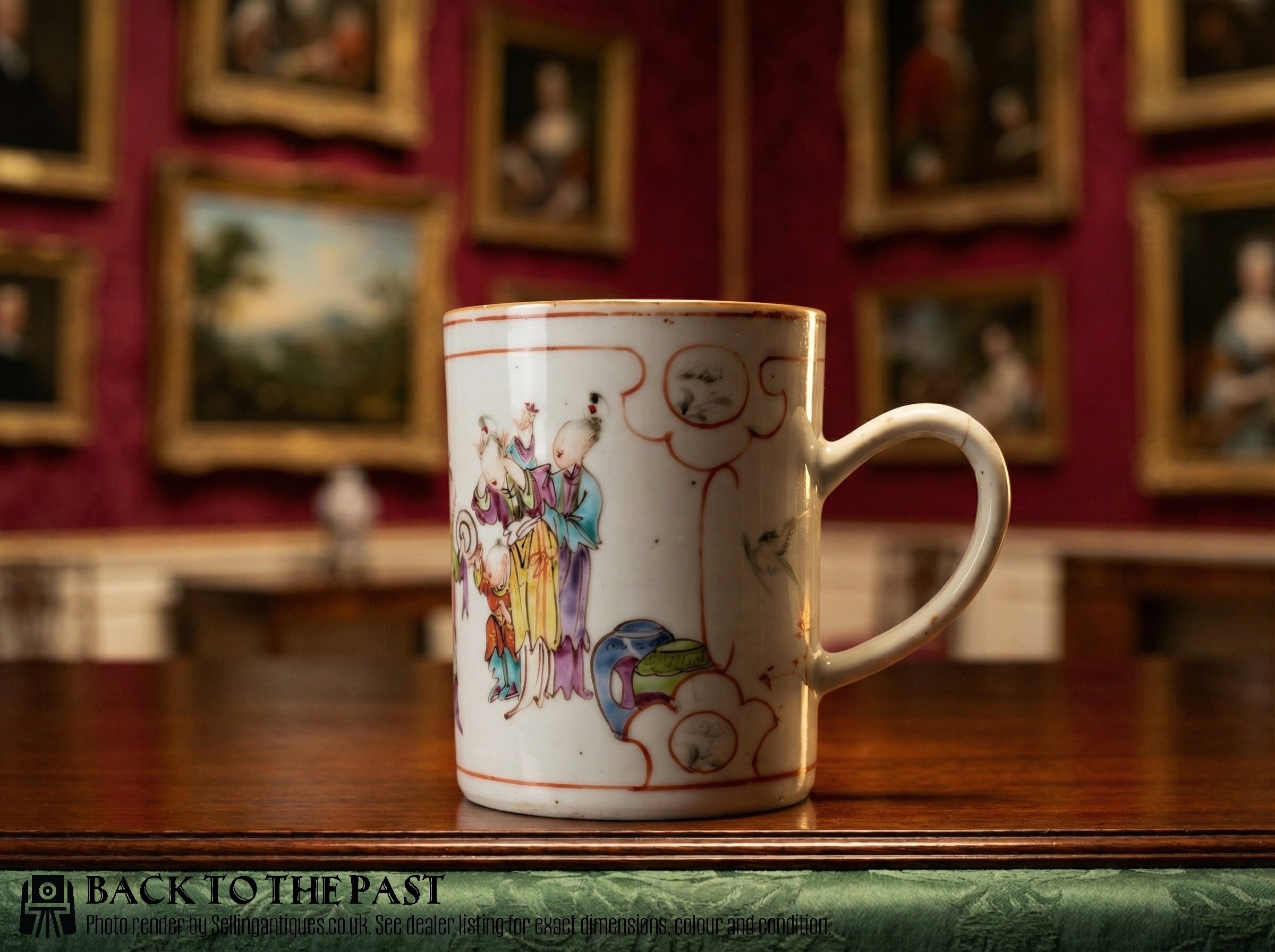
When you search for chinese figurative porcelain, you encounter items predominantly spanning the eighteenth and nineteenth centuries, including the Qing Dynasty and Chinese Export periods. These objects primarily manifest as vases, decorative bowls, mugs, and plates.
The most frequent items met on this page are nineteenth-century pieces, notably Canton and famille rose examples. Vases, double gourd vessels, and table lamps frequently incorporate brass, wood, silk, and fabric elements added later for domestic conversion.
Earlier eighteenth-century representations appear as Qianlong porcelain mugs and plates featuring intricate hand-painted designs. The forms range from simple domestic tableware to large baluster vases created for export markets.
Materials and construction
The foundation of these works is hard-paste porcelain, decorated using cobalt underglaze, enamel, and multi-coloured glaze techniques. Artisans applied pigments by hand to create detailed figurative scenes upon the ceramic surface.
Decorative palettes often incorporate famille rose and famille verte enamels, alongside powder blue grounds. Certain vessels utilise brass mountings and wooden bases to complement the ceramic body.
Certain nineteenth-century porcelain vases enjoy a second career holding up lampshades rather than flowers.
Determining quality
Quality in these ceramics rests upon the precision of the hand-painted brushwork and the clarity of the enamel colours. Finer examples display meticulous detail in human facial expressions and garment folds.
The complexity of the form and the preservation of the glaze layer also dictate the standing of a piece. Larger formats, such as castellated bowls and baluster vases, require greater technical skill in firing than standard plates.
The Chinese Figurative Porcelain Glossary
- Famille rose
- A major palette of Chinese porcelain introduced in the eighteenth century, distinguished by opaque pink or rose enamel derived from colloidal gold. It allowed artists to render subtle gradations in shading.
- Famille verte
- A green-dominant ceramic palette utilising transparent green enamel alongside iron red, yellow, and blue pigments. This style flourished particularly during the Qing Dynasty before the introduction of rose pink.
- Canton
- A major production centre for export porcelain located in southern China, known for bustling figurative scenes and dense floral borders. Canton porcelain was largely decorated on blanks fired elsewhere.
- Cobalt underglaze
- A blue pigment applied to the raw porcelain body before glazing and high-temperature firing, resulting in a durable blue design beneath the glassy surface layer.
Chinese Figurative Porcelain: Frequently Asked Questions
What is Chinese figurative porcelain?
These pieces are ceramic vessels decorated with hand-painted depictions of people, warriors, and court scenes. They originate primarily from the eighteenth and nineteenth centuries.
The category encompasses vases, bowls, plates, and mugs created during the Qing Dynasty and the Chinese Export period.
How do I date a piece?
Dating relies on stylistic markers, palette characteristics, and recorded period attributions such as the Qianlong era or the nineteenth century. Examining the specific enamel colours helps place the item within a chronological window.
Changes in export patterns and manufacturing techniques across the eighteenth and nineteenth centuries provide further clues for age identification.
Were these items used daily?
Many mugs, plates, and bowls served practical functions in domestic settings or international trade before becoming decorative objects. Tableware items were produced for both local use and export markets.
Vases and larger display vessels served primarily as ornamental furnishings within elite interiors.
How do I care for my porcelain?
Protect these ceramics by placing them on stable surfaces away from high traffic areas and direct sunlight. Dust them gently with a soft, dry cloth.
Avoid using chemical cleaners or immersing items that feature added brass, fabric, or wooden components in water.