


Oriental Porcelain Saucer
An oriental porcelain saucer brings centuries of refined kiln craft and painted trade history straight to your table.
Oriental Porcelain Saucer
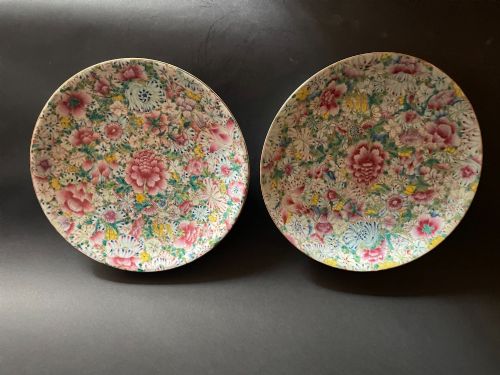
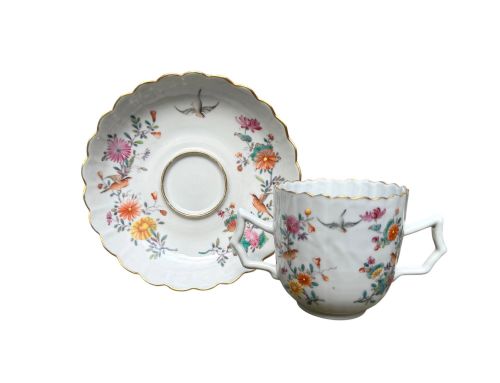
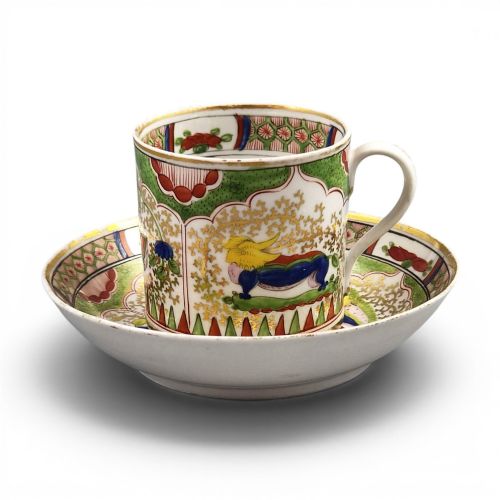
An oriental porcelain saucer captures the historic output of Asian kilns alongside domestic British interpretations created for tea service. You will encounter forms ranging from eighteenth-century Chinese export wares to nineteenth-century Japanese imari and Satsuma pieces.
The listings on this page span diverse periods including the eighteenth century, the Georgian era, and the late nineteenth century. These small vessels served alongside teacups, coffee cups, and bowls in formal dining settings.
Origin points stretch across Chinese dynasties and Japanese periods, intersecting with European factories like Worcester that adopted eastern designs. Each piece reflects the material culture of global trade and domestic tea drinking.
Materials and Techniques
Potters shaped fine porcelain bodies before applying cobalt blue underglaze decoration directly to the clay. Artisans then fired these pieces at high temperatures to vitrify the ceramic material.
Overglaze enamel pigments, gold leaf, and gilt details were frequently added in subsequent low-temperature firings. Iron red enamel and intricate hand-painted motifs complete the surface ornamentation on many examples.
Listings feature porcelain, enamel, gold leaf, and cobalt blue across eighteenth, nineteenth, and early twentieth century periods.
Assessing Quality and Execution
Execution of the painted brushwork separates ordinary production from exceptional items. Crisp cobalt blue underglaze lines and precise enamel placement indicate superior workshop standards.
The fineness of the porcelain body and the complexity of decorative schemes, such as detailed Japanese imari or famille rose palettes, determine the overall calibre of a saucer.
The Oriental Porcelain Saucer Glossary
- Porcelain
- A hard, white, translucent ceramic fired at high temperatures from specific clay mixtures. It provides a durable and resonant base for delicate painted decoration.
- Cobalt Blue Underglaze
- A mineral pigment applied to the unfired ceramic body before glazing and firing. This technique creates deep blue designs that remain permanent and protected beneath the glaze.
- Imari
- A Japanese export style characterised by a distinct palette of cobalt blue, iron red, and gilt highlights. The style originated in Arita and gained immense popularity in Europe.
- Famille Rose
- A polychrome enamel palette dominated by opaque pink or rose colours introduced in the eighteenth century. It allowed for nuanced shading on Chinese export porcelain.
- Celadon
- A transparent green glaze with subtle crackle patterns applied over a pale porcelain body. This ancient finish mimics the appearance of jade.
Oriental Porcelain Saucer: Frequently Asked Questions
How do I date an oriental porcelain saucer?
Examine the painting style, glaze characteristics, and any reign marks on the base to establish a chronological anchor.
Comparing the potting weight and cobalt tone against known period examples helps narrow down the century of manufacture.
Were these saucers used with tea or coffee?
Historical records and matching sets show these pieces served both tea and coffee cups depending on the drink's fashion.
Dealers often list them alongside specific cup types like coffee cups, tea bowls, and wine cups.
Can I use these antique saucers daily?
These delicate ceramics require careful handling due to their age and the fragility of overglaze enamel decorations.
Hand washing in warm water without harsh detergents preserves the gilt leaf and painted surfaces for display.
How do Chinese and Japanese saucers differ?
Chinese pieces often feature cobalt blue underglaze or famille rose enamels reflecting imperial dynasties and export trade demands.
Japanese examples frequently showcase imari, Satsuma, or Hirado traditions with distinctive local motifs and colour palettes.