



Qing Dynasty Plate
When you search for a qing dynasty plate, you are looking at centuries of ceramic skill shaped by imperial workshops and export trade.
Qing Dynasty Plate
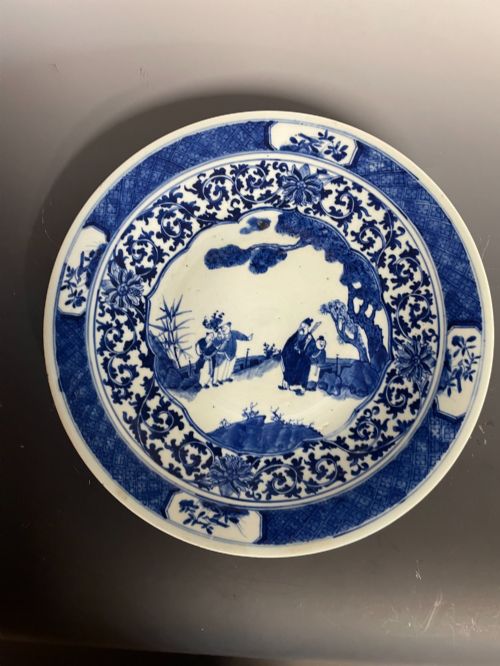
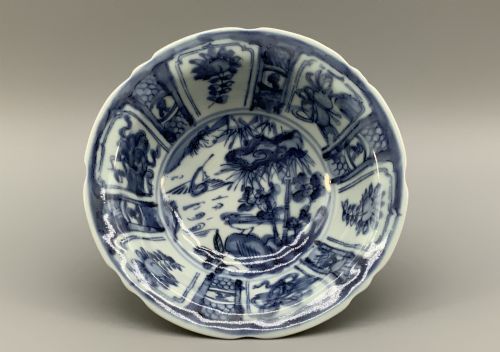
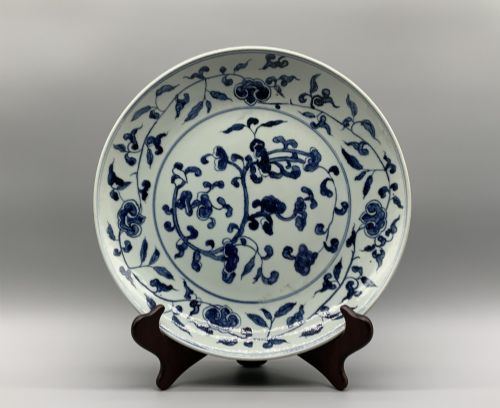
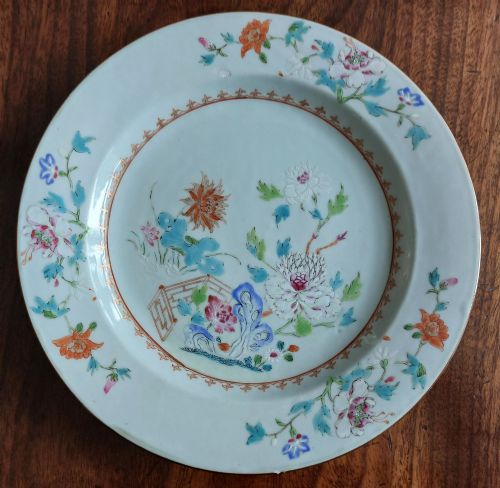
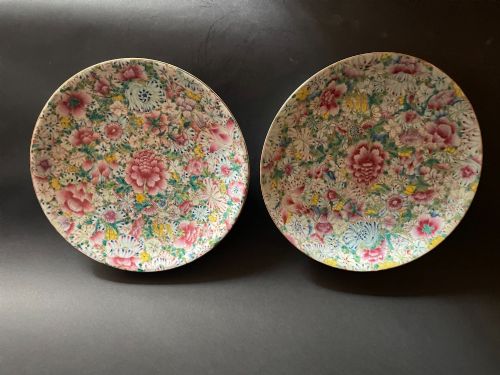
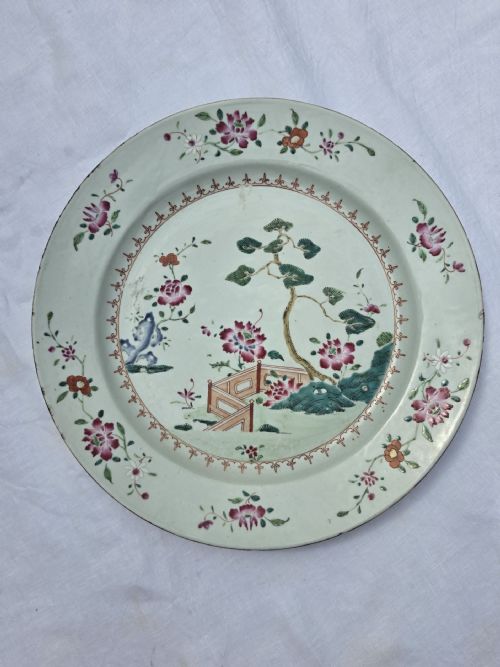
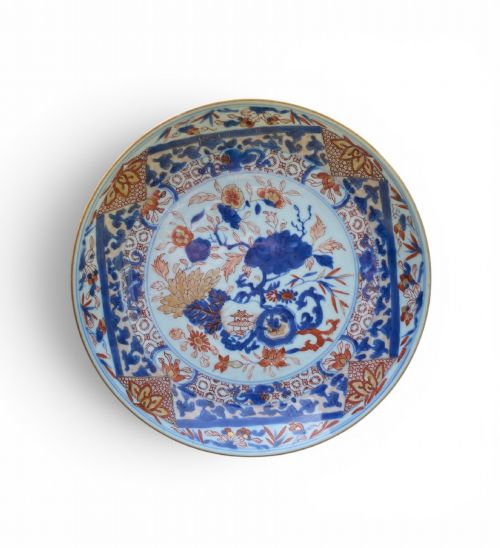
A qing dynasty plate encompasses a range of circular and lobed serving vessels made during the Qing period, covering both domestic imperial wares and pieces destined for international export. You will regularly encounter blue and white porcelain chargers, Famille Rose dishes, and Canton polychrome plates on this page.
The objects span from the Kangxi and Qianlong periods through to the late 19th century, reflecting shifts in court taste and global trade. Forms vary from simple round dining plates to large decorative chargers, lobed bowls, and trefoil trays.
Most examples originate from major Chinese kilns, employing traditional ceramic bodies that range from hard-paste porcelain to delicate glazed earthenware. Collectors seek these pieces for their intricate painted narratives, armorial designs, and distinct imperial marks.
How They Were Made
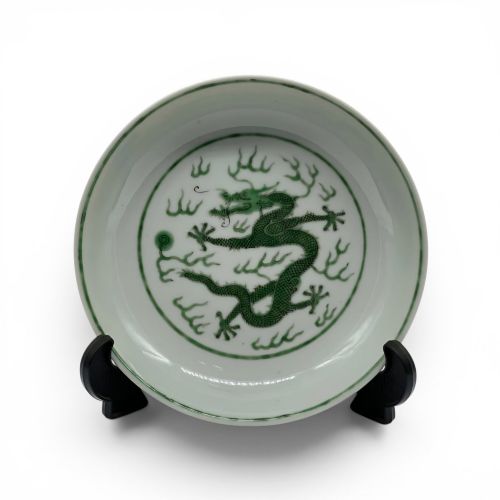
Makers utilised hard-paste porcelain and ceramic bodies shaped by hand or moulded into specific floral and geometric profiles. Cobalt underglaze was applied before firing to create deep blue motifs, while overglaze enamels such as Famille Rose and Famille Verte added varied palettes.
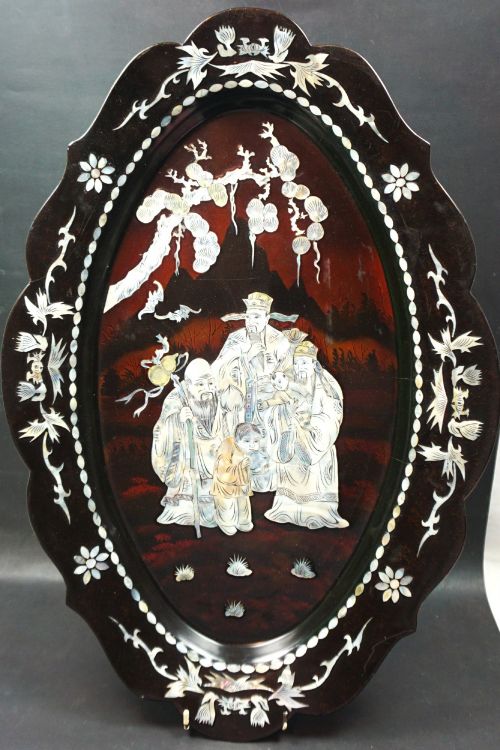
Artisans applied gold leaf, iron-red pigments, and intricate copper wire for cloisonne elements on bronze and brass foundations. Firing took place in large kilns where temperature control determined the brilliance of the glaze and the crispness of the painted details.
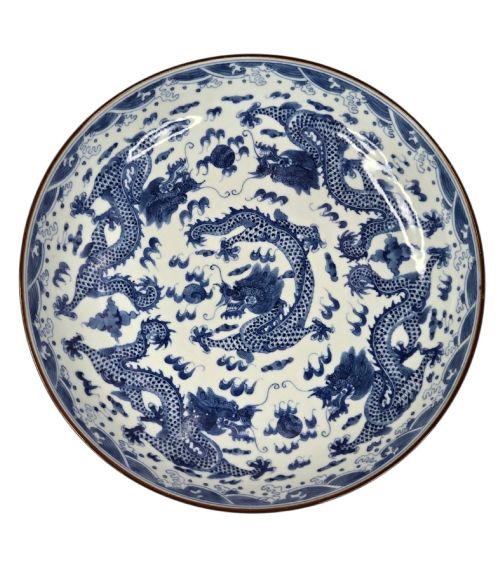
Several plates depict cheerful acrobatics and circus designs alongside traditional dragons and floral motifs.
What Varies in Quality
The precision of the brushwork and the complexity of the painted narrative separate standard production wares from pieces made for the imperial court. Fine shading in the cobalt glaze and careful control over polychrome enamel layers indicate a higher standard of workshop output.
The crispness of moulded forms, the condition of the glaze, and the presence of clear reign marks distinguish exceptional examples. Purity in the porcelain body and the careful application of gold leaf further elevate the standing of an individual charger or dish.
The Qing Dynasty Plate Glossary
- Famille Rose
- A major palette of Chinese porcelain enamels introduced in the 18th century, distinguished by its opaque pink or rose colour derived from colloidal gold. It allowed artists to paint subtle tonal gradations on the porcelain surface.
- Kangxi Period
- The reign of the Kangxi Emperor, lasting from 1661 to 1722, noted for technical excellence in blue and white porcelain. Pieces from this era often display deep cobalt tones and refined floral or dragon motifs.
- Qianlong Period
- The era spanning 1735 to 1796, characterised by experimental glazing techniques and intricate polychrome decoration. Wares from this time frequently combine multiple enamel colours and complex geometric borders.
- Charger
- A large decorative plate or platter used historically for ceremonial service or display on a sideboard. In Chinese export wares, these large pieces often feature elaborate dragon or landscape scenes.
- Canton
- A southern Chinese port city where vast quantities of porcelain were decorated for export during the 19th century. Canton wares are typically recognised by densely painted green, pink, and gilt panels of figures and birds.
Qing Dynasty Plate: Frequently Asked Questions
How do I know if a plate is from the Kangxi period?
Kangxi period pieces often feature deep cobalt blue underglaze painting with high clarity and specific floral or symbolic marks on the base. Stylistic cues include vibrant blue rendering and finely potted hard-paste porcelain.
Examining the foot rim and the texture of the glaze helps confirm the period. Many genuine examples also carry apocryphal marks or specific leaf and art symbols rather than imperial text.
What is the difference between Famille Rose and Famille Verte?
Famille Verte relies predominantly on green enamel tones combined with iron red, yellow, and blue, coming to prominence in the 17th century. Famille Rose emerged later, defined by the introduction of an opaque pink enamel.
The colour palette shift allows collectors to date pieces visually. Famille Rose offers softer pinks and purples, while Famille Verte presents a more vibrant, leaf-green dominant scheme.
Were these plates used for dining or display?
While many standard plates served practical dining functions in European and domestic households, large chargers and armorial dishes were primarily intended for display. Wealthy families placed them on sideboards to signal status.
Export wares made for Western markets often fulfilled specific dining requirements, such as soup plates and octagonal platters. Imperial pieces, however, remained within palace precincts for ceremonial use.