
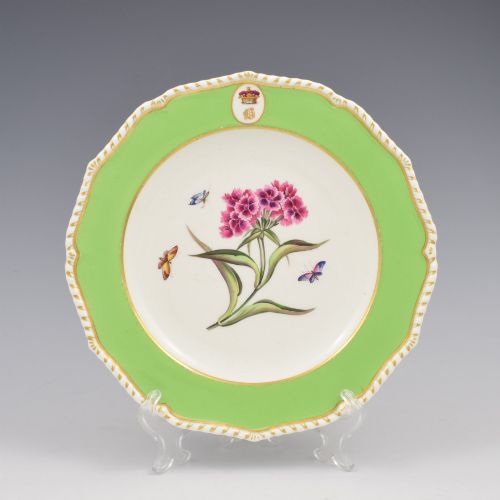

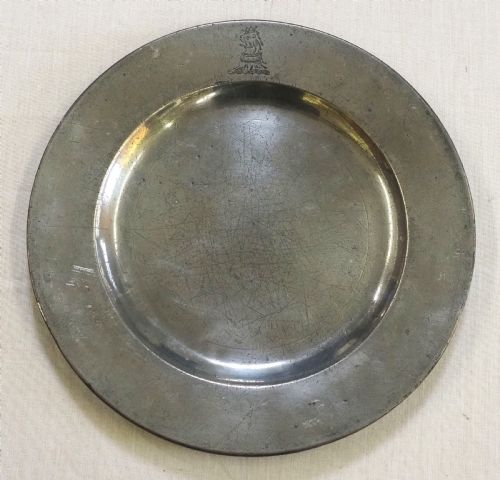


Georgian Armorial Plate
A georgian armorial plate displays painted or engraved family crests, offering a direct link to noble provenance that collectors prize for dining display.
Georgian Armorial Plate
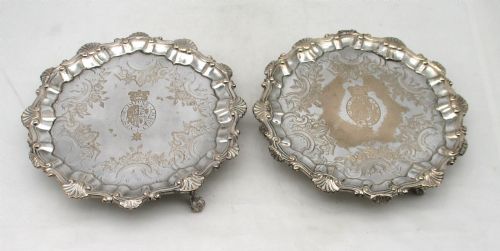
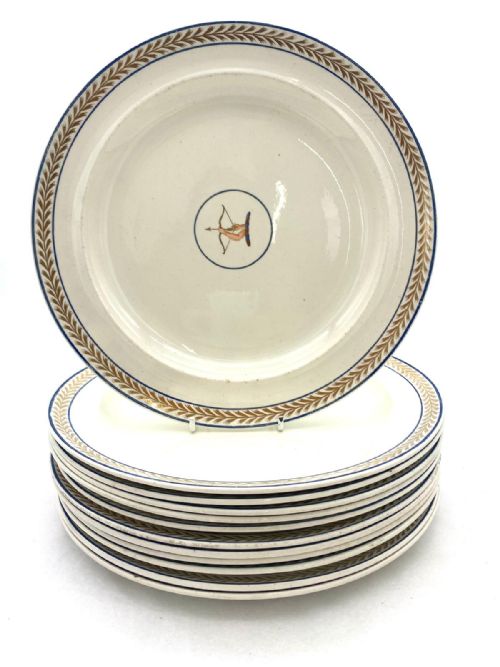
A georgian armorial plate carries the specific coat of arms, crest or motto of an aristocratic family, painted or engraved upon its surface. These pieces range from fine porcelain dessert services to robust creamware dinner plates and sturdy old sheffield plate platters.
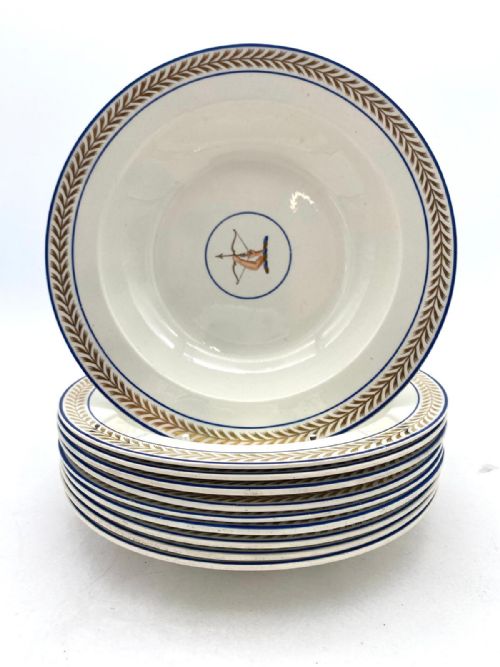
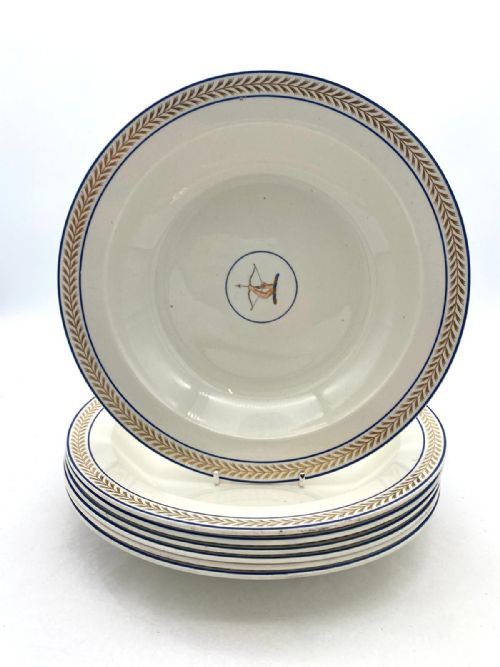
Most examples originate from the eighteenth century or the regency period, spanning English factories and chinese export wares made for the western market. You will encounter various forms including soup plates, pudding bowls, and dessert plates alongside larger serving dishes.
The heraldry painted or engraved upon each georgian armorial plate identifies the original noble owner, making these items both decorative tablewares and historical records of lineage.
Materials and construction
Ceramic pieces utilise porcelain, creamware, and earthenware bodies decorated with enamel paints, sometimes incorporating gold leaf highlights to accentuate the heraldic crests and border details.
Metal items employ old sheffield plate, copper, and silver, utilising careful engraving techniques to cut the coats of arms cleanly into the reflective metal surface.
Factors of quality
Quality rests upon the crispness of the heraldic engraving in metal or the precision and detail of the enamel painting on ceramic surfaces. Finer pieces display intricate brushwork in botanical or armorial borders and superior preservation of the crest.
The distinction between standard table service pieces and top tier examples also depends on the historical significance and social rank of the noble family whose coat of arms the plate bears.
Wedgwood·Bloor Derby·James Spackman·Matthew Boulton·Chamberlain Worcester·Barr, Flight and Barr·Minton
The Georgian Armorial Plate Glossary
- Armorial
- Bearing a coat of arms or heraldic device. This term describes ceramics and metalware personalized for specific families.
- Old Sheffield Plate
- A fused composite metal made by layering a thin sheet of silver over a thicker copper base. It creates durable domestic wares with a genuine silver surface.
- Creamware
- A refined earthenware developed in eighteenth century England with a warm yellowish lead glaze. Wedgwood perfected this pale ceramic body for utilitarian and formal dinner services.
- Famille Rose
- A palette of opaque enamel colours dominated by pink, introduced to chinese export porcelain during the eighteenth century. It allowed artists to render complex coats of arms with vibrant floral surroundings.
Georgian Armorial Plate: Frequently Asked Questions
What is a georgian armorial plate?
A georgian armorial plate is a dining or display piece featuring a hand painted or engraved family coat of arms.
These items were commissioned by nobility and gentry during the eighteenth and nineteenth centuries to display family lineage during formal meals.
How were armorial plates used?
They functioned as practical tableware for dining, serving soups, puddings, and meats at high status tables.
At the same time, displaying heraldry signalled the wealth, lineage, and social standing of the host to assembled guests.
How do I identify the family crest?
The painted or engraved shield displays specific heraldic charges, colours, and crests that correspond to registered British or foreign peerage records.
Comparing the motto and armorial bearings against historical rolls of arms reveals the identity of the original owner.
Can I use these plates for dining?
Most antique pieces are fragile due to their age and delicate enamel or plated surfaces, making them better suited for cabinet display.
Using them regularly risks wearing away the hand painted heraldry and historic metal finishes.
How do I date a georgian plate?
Dating relies upon stylistic markers of the ceramic body, glaze characteristics, and shape variations typical of periods like the regency or eighteenth century.
Maker marks stamped or painted on the reverse of ceramic pieces provide further chronological precision.