


18th Century Chinese China
These pieces of 18th century chinese china span export plates, armorial services, and blue and white vessels crafted for global trade.
18th Century Chinese China
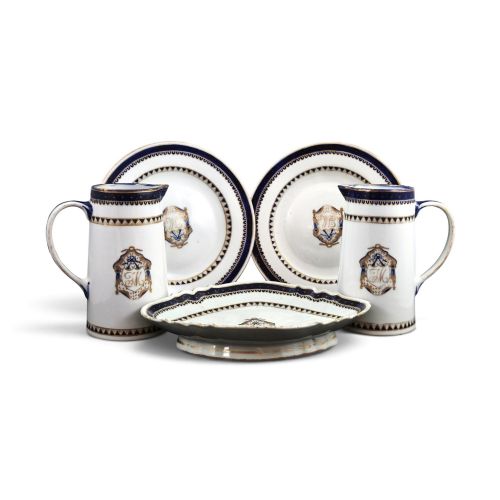
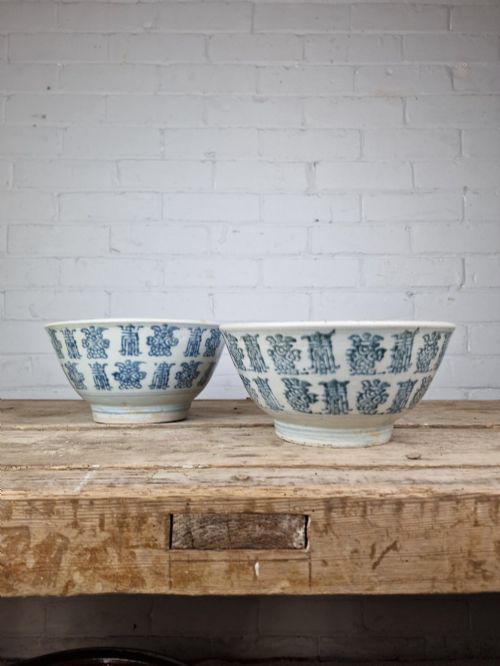
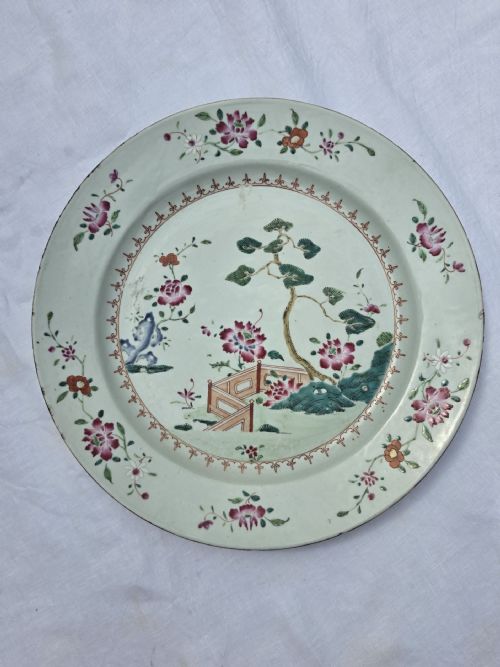
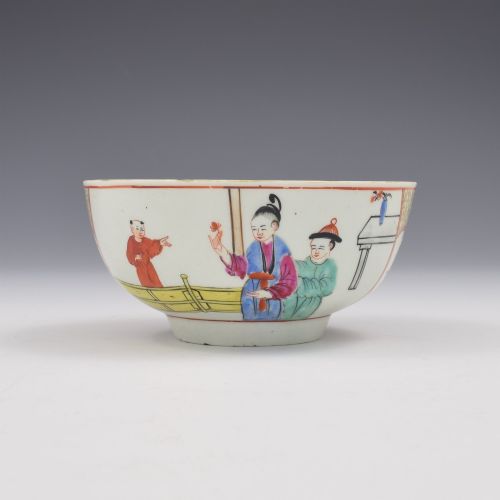
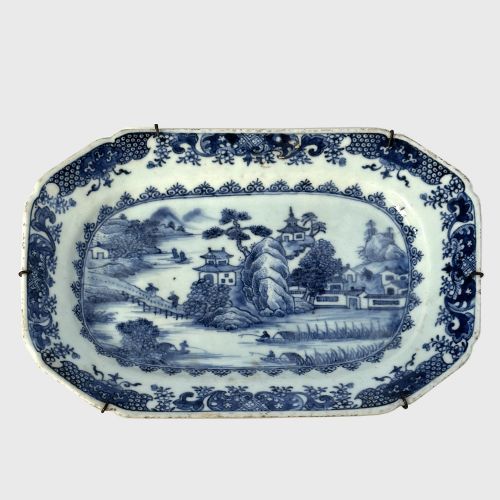
Collectors seeking 18th century chinese china encounter robust porcelain made for export during the Qing Dynasty, particularly the Qianlong period. The selection includes decorative plates, chargers, platters, tureens, and tea wares painted in cobalt underglaze or famille rose enamels.
Many items bear specific armorial bearings or monogrammed ciphers commissioned by European families. Alongside true import pieces, the record contains English porcelain from factories such as Worcester and Bow decorated in direct imitation of oriental patterns.
How They Were Made
Potters utilised hard-paste porcelain formed from petuntse and kaolin, fired at high temperatures to achieve a dense, impermeable body. Soft-paste porcelain appears in domestic English adaptations of the oriental style.
Decoration relied on cobalt underglaze applied before firing, or overglaze enamels including gold leaf and the opaque pinks characteristic of the famille rose palette.
The listings span the Kangxi, Qianlong, and Qing periods, featuring porcelain, enamel, gold leaf, and cobalt glaze.
What Varies in Quality
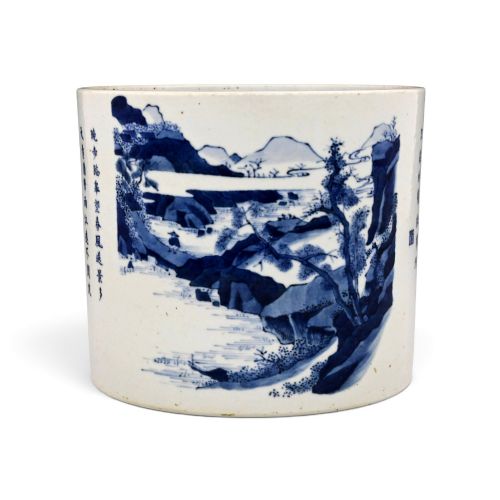
Painting precision separates standard export wares from superior examples, with finely rendered brush pots, human figures, and armorial crests commanding attention. The crispness of the cobalt glaze and the stability of overglaze enamels indicate the skill of the kiln firing.
Completeness within services, such as matching sets of plates, saucers, or baskets with stands, dictates desirability among collectors.
The 18th Century Chinese China Glossary
- Famille Rose
- A polychrome enamel palette introduced in the Qing Dynasty, distinguished by opaque pinks and rose colours derived from colloidal gold.
- Armorial
- Porcelain decorated with European heraldic coats of arms, commissioned specially for aristocratic households.
- Bitong
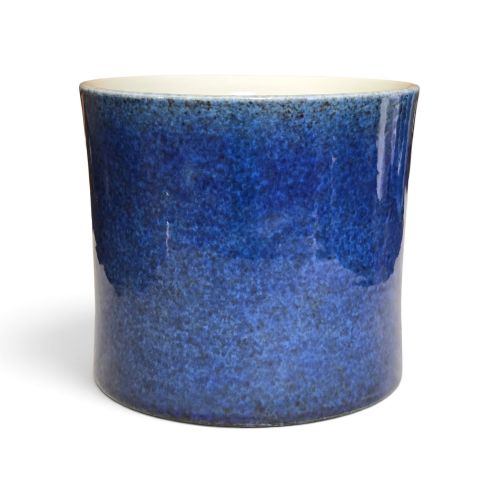
- A cylindrical scholar's brush pot used in traditional Chinese writing rooms.
- Export
- Goods manufactured in China specifically for shipment to Western markets during the trade expansion.
- Nanking
- Blue and white porcelain shipped through the port of Nanjing, typically featuring river landscapes and architectural motifs.
18th Century Chinese China: Frequently Asked Questions
What is Chinese export porcelain?
This category comprises ceramics made in China specifically for European and American markets from the seventeenth through the nineteenth centuries. The designs often blended oriental shapes with Western armorial or domestic motifs.
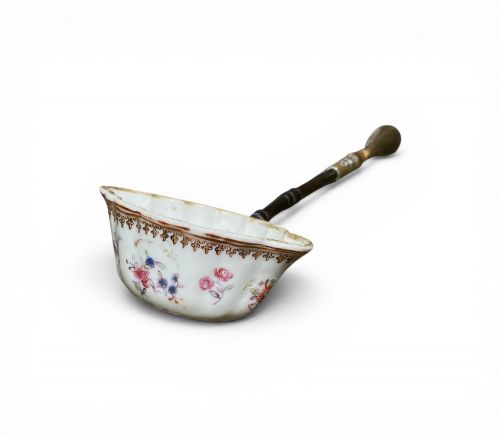
Potters adapted forms such as tureens, sauce boats, and chargers to suit foreign dining habits while retaining traditional regional painting techniques.
How do I identify the Qianlong period?
The reign of the Qianlong Emperor spans from 1736 to 1795, marking a peak in technical refinement and artistic output for porcelain kilns. Pieces from this era frequently feature intricate famille rose enamelling, rich armorial decoration, or balanced blue and white compositions.
Markings on the base can sometimes denote the period, though many export wares relied on decorative symbols or remained unmarked for Western buyers.
Were these pieces used for dining?
Wealthy households utilised these ceramics for formal dining, displaying tureens, platters, and soup plates during large banquets. Smaller vessels like tea bowls, saucers, and cream jugs formed part of social tea services.
Over generations, many items transitioned from functional dining ware to decorative cabinet pieces collected for their painted details.
What is the difference between Kangxi and Qianlong styles?
Kangxi pieces, produced between 1662 and 1722, often showcase deep cobalt underglaze painting, intricate blue and white patterns, and powder-blue glazes. The brush pots and vessels from this earlier phase emphasise vigorous linework and disciplined composition.
Qianlong ceramics introduce broader polychrome palettes like famille rose, alongside complex armorial commissions and rich gilding that reflect evolving export tastes.