




Antique Beer Tankard
An antique beer tankard brings heavy metals and fired clays straight from the tavern table into a modern room.
Antique Beer Tankard
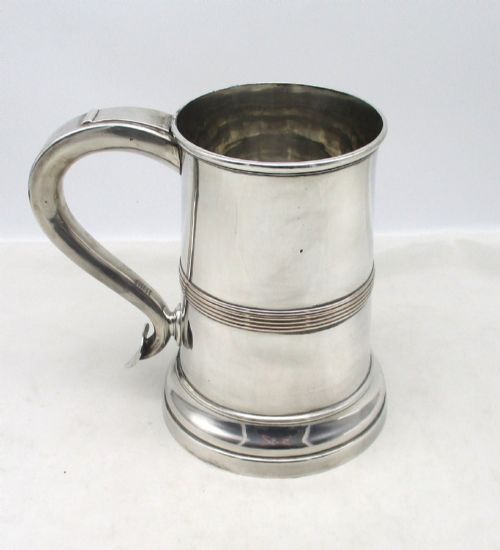
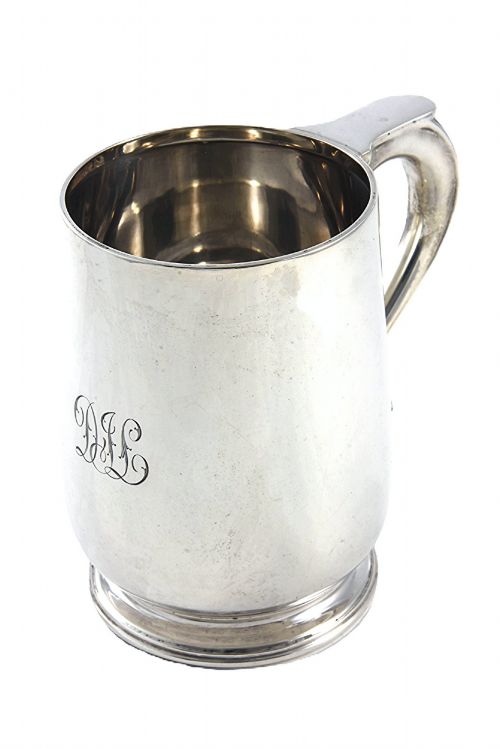
An antique beer tankard is a stout drinking vessel built to hold ale, beer, or porter during past centuries. The selections range from hefty metal tavern measures to refined silver vessels made for the dining table.
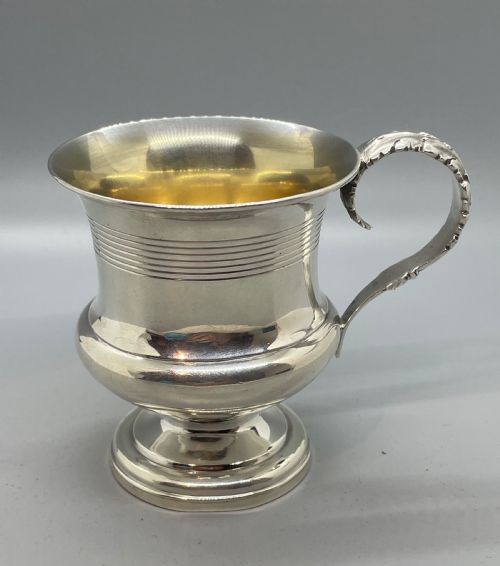
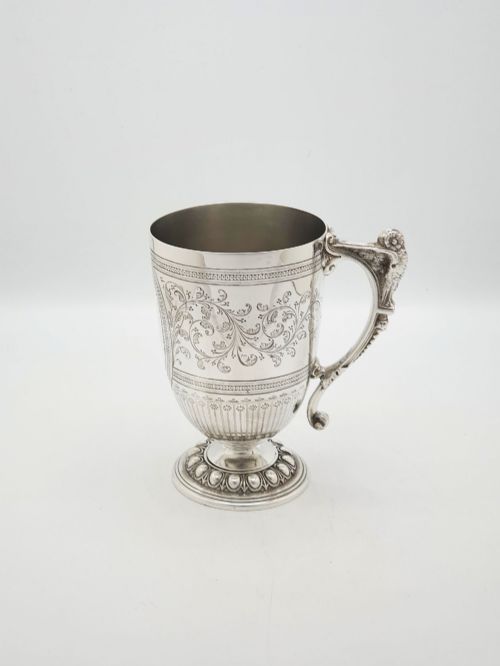
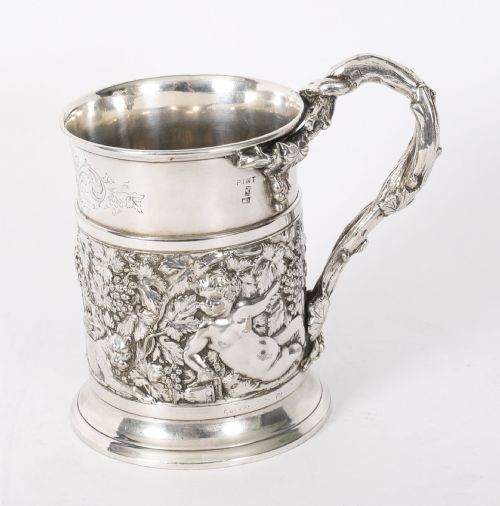
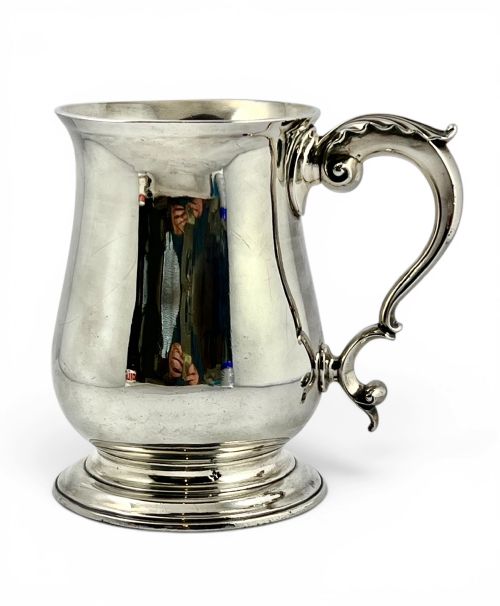
You will encounter pieces spanning from the eighteenth century through the twentieth century, with pewter and silver plate appearing frequently alongside sterling silver and porcelain. Styles shift from plain Georgian bodies to decorative Victorian and Edwardian examples with handles and embossing.
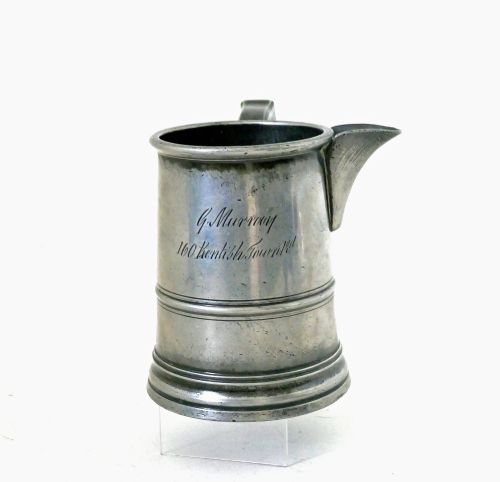
Domestic and institutional pieces sit side by side in this category, including public house measures stamped with capacity marks and school or tavern jugs. German steins in stoneware, pottery, and faience also make regular appearances alongside British metalwork.
How they were made
Metalsmiths formed these vessels using various techniques, casting pewter in moulds and hammering sterling silver sheets into stout, hollow bodies. Silversmiths soldered handles onto bodies and added hinged lids to keep dust out of the brew.
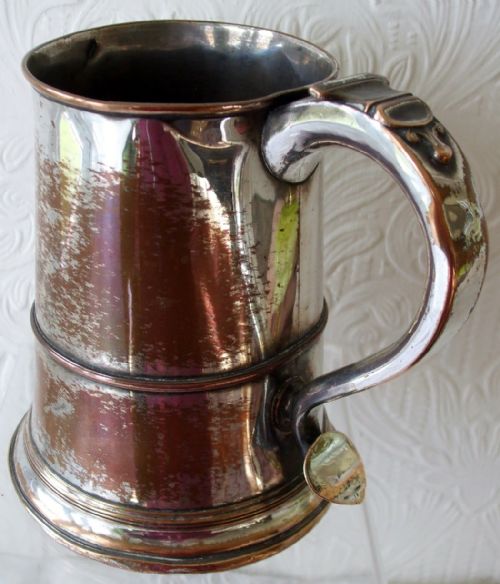
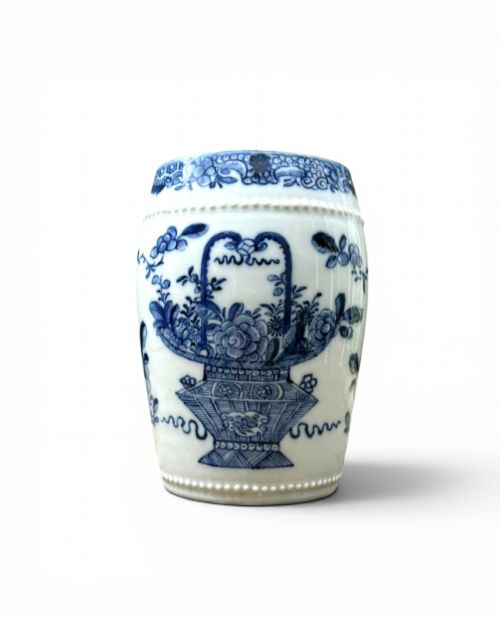
Old Sheffield plate combined a thin layer of silver fused to a copper core, while electroplating later emerged to coat base metals in a bright silver finish. Potters shaped clay on wheels, applying salt glazes to stoneware or painting polychrome designs onto delft faience before kiln firing.
Listings feature metalware and ceramics spanning from the eighteenth century to the mid-twentieth century, dominated by pewter and silver plate.
What varies in quality
The standard of an antique beer tankard depends heavily on the weight of the metal and the crispness of any engraving or embossing. Heavier silver and pewter specimens retain their structural integrity and wall thickness far better through centuries of use.
Maker marks and town assay stamps elevate certain pieces, recording the precise silversmith and year of production. The quality of applied details, such as cast handles, thumbpieces on lidded examples, and engraved tavern inscriptions, separates standard utility items from high-end workshop output.
John Payne·William Grundy·G R Collis·Watts & Harton·Richard Morton·Archibald Knox for Liberty & Co·Frederic Sanders·Barker Brothers·Sarreguemines
The Antique Beer Tankard Glossary
- Old Sheffield Plate
- A material made by fusing a thin sheet of silver to a thick copper base, often showing subtle lines of copper where edges meet. This technique predates modern electroplating and holds importance for eighteenth-century dating.
- Pewter
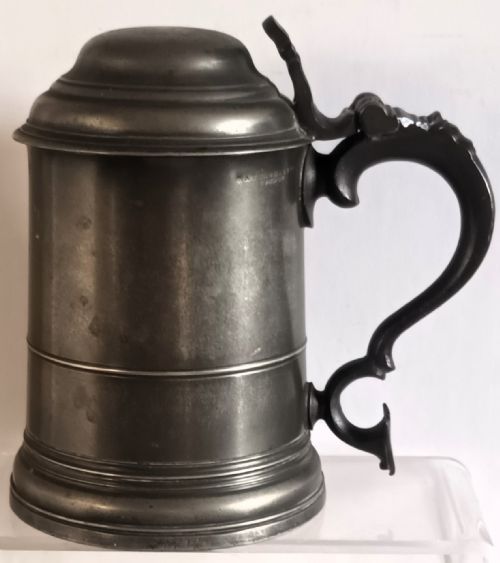
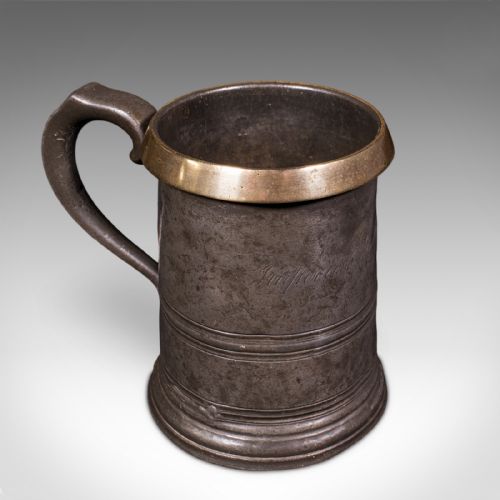
- An alloy of tin mixed with copper, lead, or antimony, used widely for tavern mugs and measure jugs. It develops a dark grey patina over decades of handling.
- Hallmark
- A stamp or series of stamps pressed into silver or gold items to indicate the maker, standard of metal, and year of testing. These marks provide reliable clues for dating British silver pieces.
- Faience
- Tin-glazed earthenware produced across continental Europe, often decorated with colourful painted scenes. These pieces require careful handling due to the porous nature of the fired clay body.
Antique Beer Tankard: Frequently Asked Questions
What is the difference between a mug and a tankard?
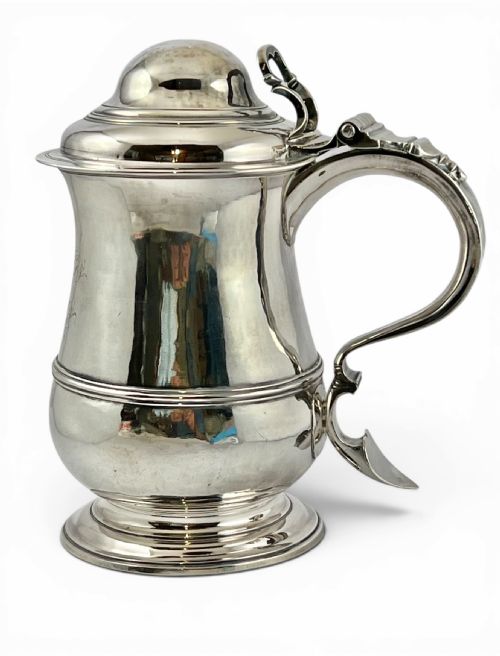
A tankard traditionally refers to a large drinking vessel fitted with a handle and very often a hinged lid, whilst a mug lacks the lid.
Many antique examples blur these lines, with nineteenth-century makers using the terms interchangeably for both silver and pewter drinkware.
How do I clean an antique pewter tankard?
Warm water and mild washing liquid applied with a soft cloth will remove surface dust without harming the metal. Avoid harsh commercial metal polishes that strip away the dark grey patina built up over generations.
Dry the vessel thoroughly with a soft towel to prevent water spots from forming on the surface.
Can I still drink beer from these vessels?
Many silver and pewter tankards remain structurally sound enough to hold cold drinks for special occasions. Historical pewter often contained lead, so modern testing kits should be used if you intend to consume liquids from older metal pieces.
Porcelain and stoneware steins generally require gentle hand washing rather than dishwasher cycles to protect the glazes.
How do I date an antique silver tankard?
British silver pieces usually carry a stamped date letter alongside assay office marks that pinpoint the exact year of manufacture. Stylistic shifts in the shape of the body and handle styles also help narrow down the production period when marks are worn.