
Hand Painted Regency China
Hand painted regency china encompasses porcelain, bone china, and ironstone vessels decorated with enamel and gold leaf.
Hand Painted Regency China
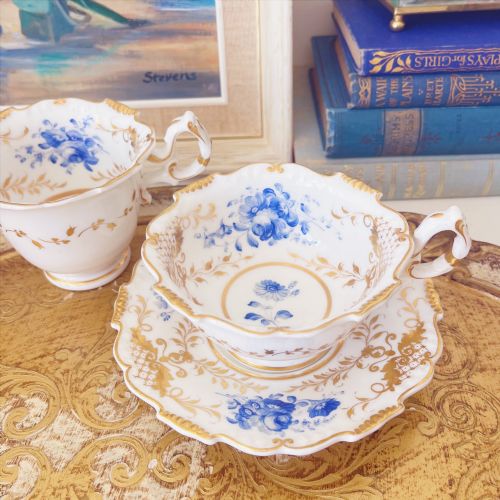
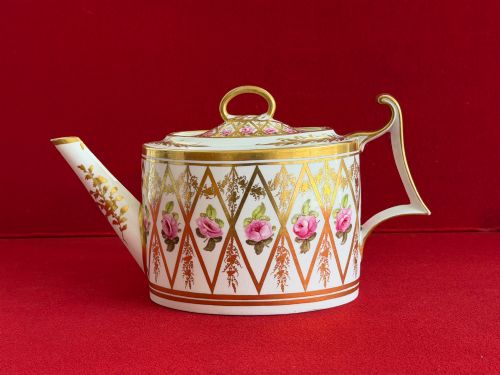
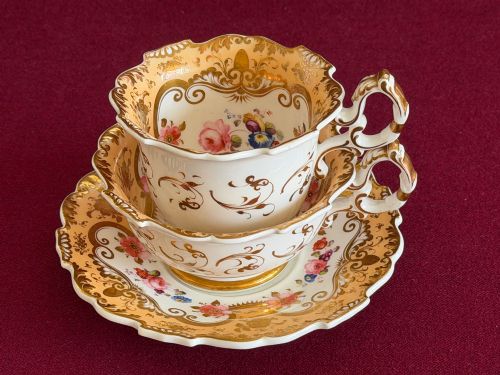
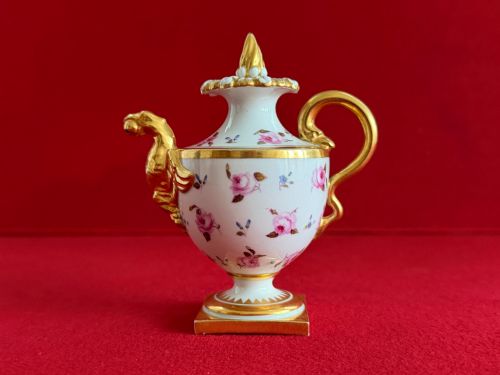
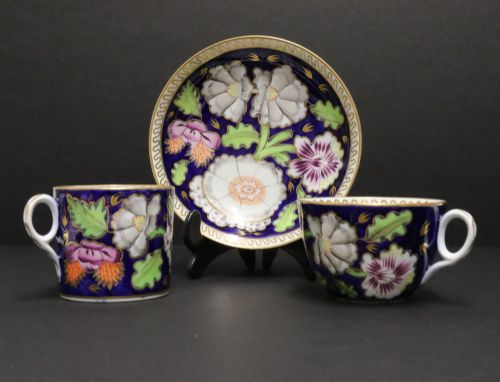
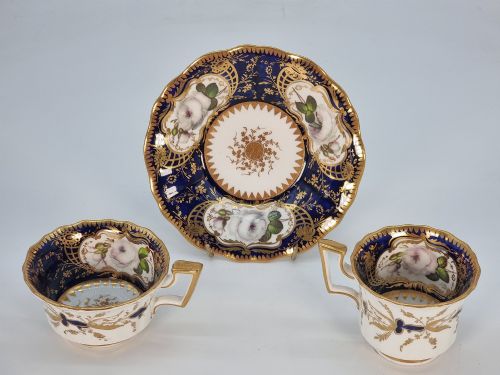
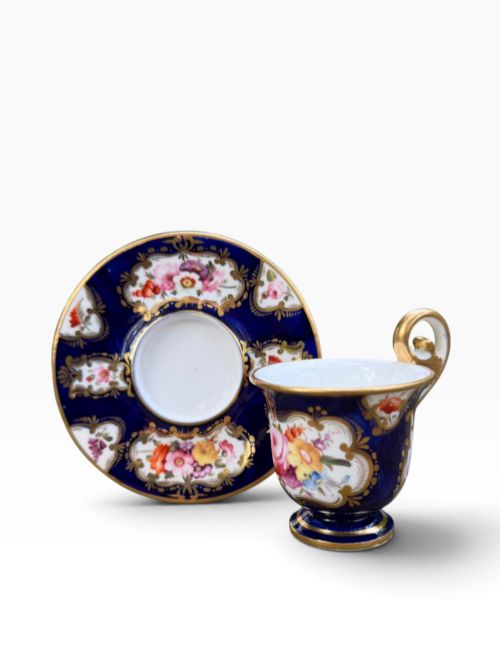
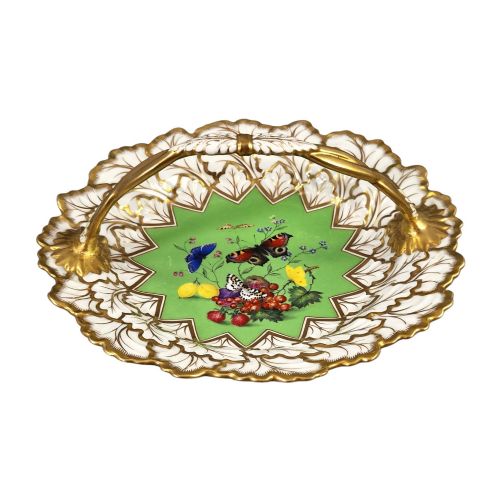
When you examine hand painted regency china, you look at teacups, cabinet plates, dessert services, and vases from the early nineteenth century. These objects date across the Regency, Georgian, and wider nineteenth century periods, reflecting the output of English and European factories.
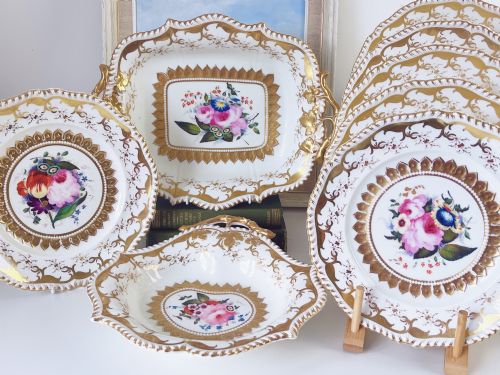
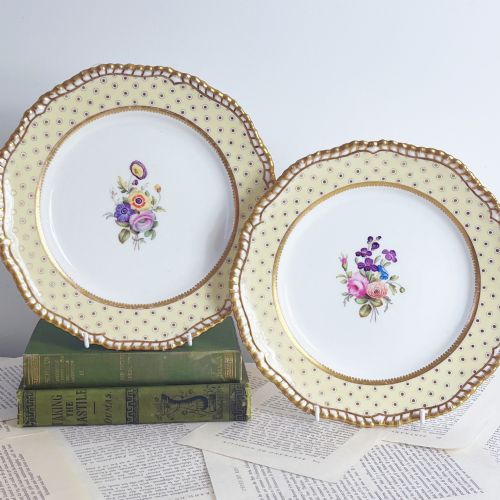
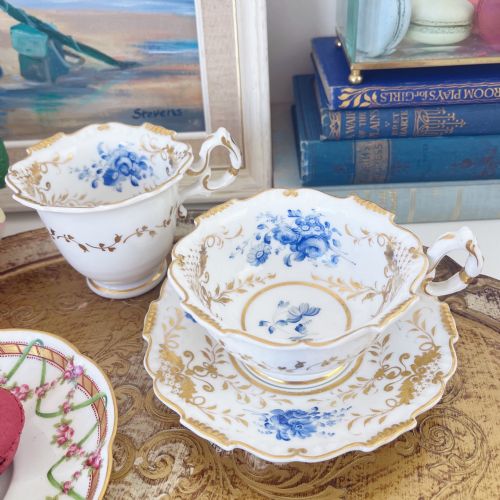
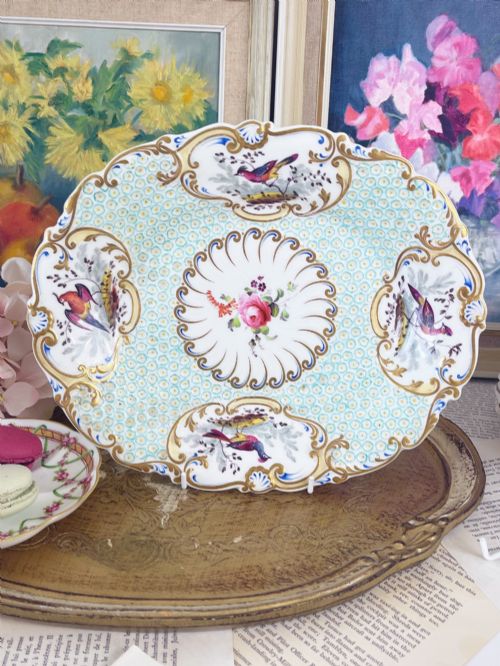
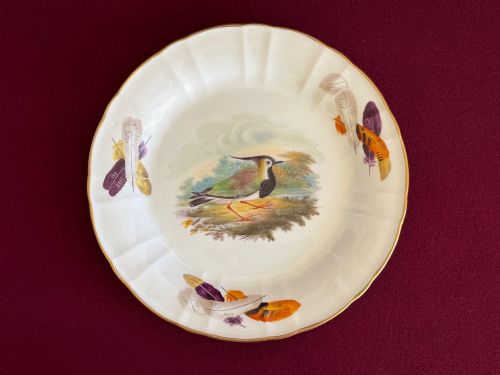
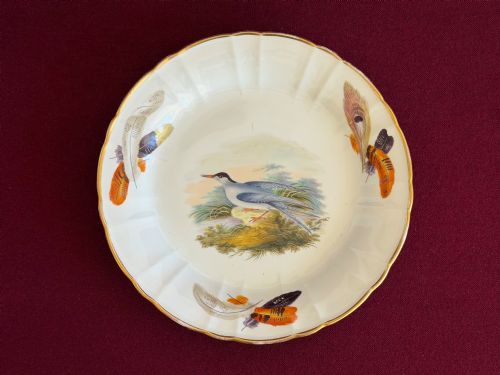
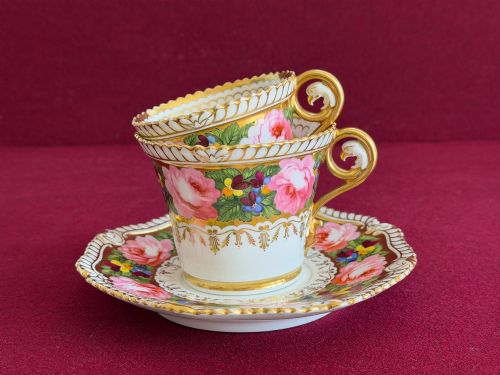
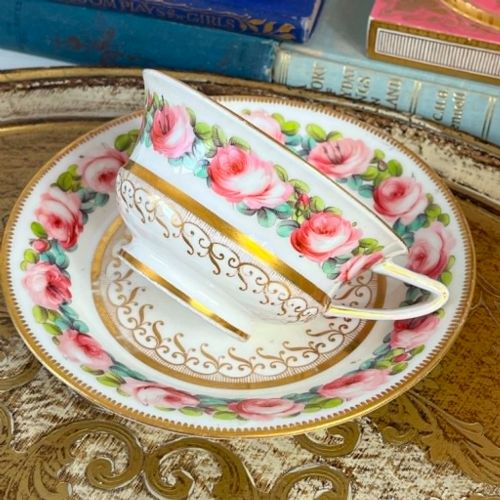
The most common forms on this page include trios of tea and coffee cups, dessert plates, and decorative dishes. Many display botanical subjects, birds, or topographical scenes executed by hand over glazed ceramic bodies.
Makers represented span Staffordshire, Worcester, and Derby potteries alongside continental works. The designs bridge neoclassical formality and decorative patterns inspired by Japanese and Chinese motifs.
What varies in quality
Quality in these ceramics rests on the precision of the hand painting and the crispness of the porcelain moulding. Pieces decorated by named botanical artists or featuring intricate hand-painted birds display superior brushwork compared to standard factory output.
The application of gilding and the weight of the ceramic body also differentiate standard utilitarian wares from cabinet pieces intended for display. Potteries such as Flight, Barr & Barr and Bloor Derby maintained high standards in their porcelain bodies and enamel stability.
Early nineteenth-century painters immortalised specific cabbage roses and lapwings on porcelain, proving that Regency diners loved birds and blooms on their breakfast table.
Grainger Lee & Co·Spode·H & R Daniel·Derby Porcelain·Wedgwood·Chamberlain Worcester·Flight Barr & Barr·Newhall·Coalport John Rose·Berlin·Minton·John Davenport·Bloor Derby
The Hand Painted Regency China Glossary
- Bone china
- A type of porcelain incorporating bone ash into the paste, producing a strong, translucent white body. This material allowed makers to throw thinner walls for teacups and plates.
- Ironstone
- A heavy, durable ceramic patented in the nineteenth century to rival true porcelain. It provided a robust surface for printed and hand-painted Japan patterns.
- Sucrier
- A covered vessel designed to hold sugar on the tea table. These often match the tea and coffee cups in a service.
- Trio
- A set comprising a teacup, coffee cup, and saucer designed together. They form a standard unit in early nineteenth century breakfast and tea services.
- Comport
- A raised dish or pedestal bowl used for serving fruit or dessert. They anchor the centre of a formal nineteenth century table setting.
Hand Painted Regency China: Frequently Asked Questions
How do I use these cups?
These historical teacups and trios can be used for occasional tea or coffee service if handled with care. Hand washing is essential to preserve the delicate enamels and gilding.
Many collectors prefer to display cabinet cups and saucers in dedicated vitrines to protect the hand-painted surfaces from wear.
Were these made for daily use?
Many items, such as ironstone plates and standard teacups, were produced for regular household dining during the Georgian and Regency periods. Finer porcelain services with elaborate armorials or botanical paintings served wealthy households for special occasions.
Cabinet plates and decorative dishes were frequently intended purely for display on sideboards and walls.
How do I date these pieces?
Dating relies on factory marks stamped or painted on the base, stylistic shifts from neoclassical to floral designs, and the specific shape names recorded by potteries. Comparing pattern numbers with factory archives provides closer production dates.
The inclusion of specific body types, such as early bone china or felspar porcelain, further narrows the manufacturing window.
Can I mix different patterns?
Mixing cabinet plates and dessert dishes from the same period creates a traditional cabinet display that reflects nineteenth-century collecting habits. Matching trios and services offer a more uniform appearance for table settings.
Shared colour palettes, such as cobalt blue and gold or botanical greens, help disparate pieces sit harmoniously together.