



Georgian English Pottery
Georgian English pottery brings together creamware, pearlware, and transfer-printed earthenware that defined domestic tables and mantelpieces across the eighteenth and nineteenth centuries.
Georgian English Pottery
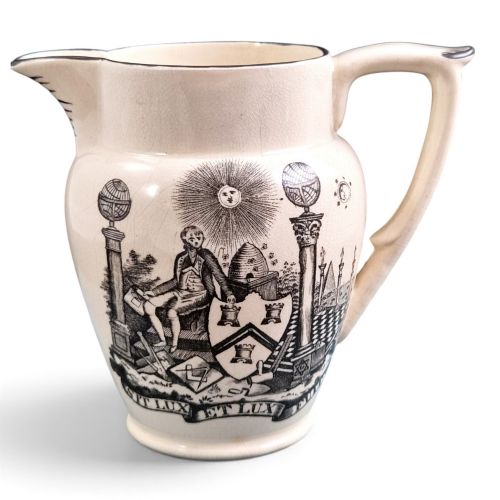
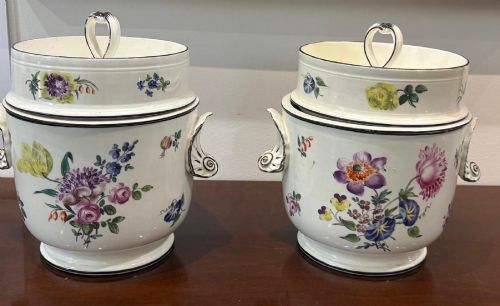
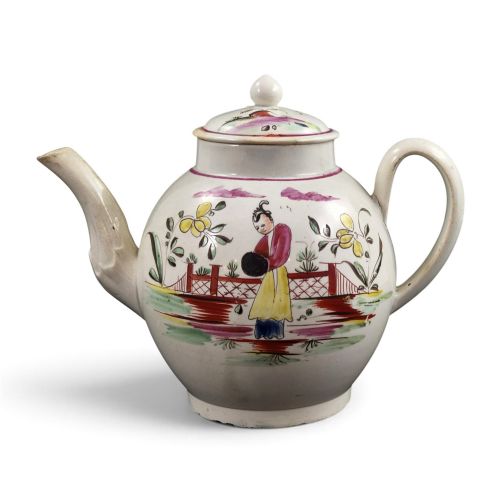
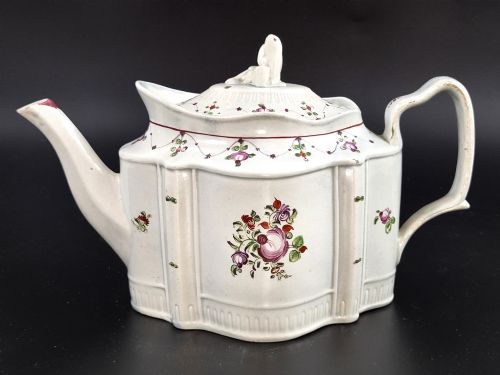
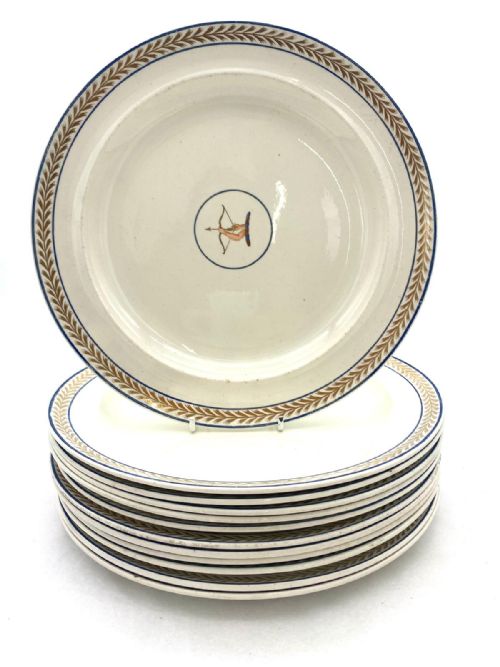
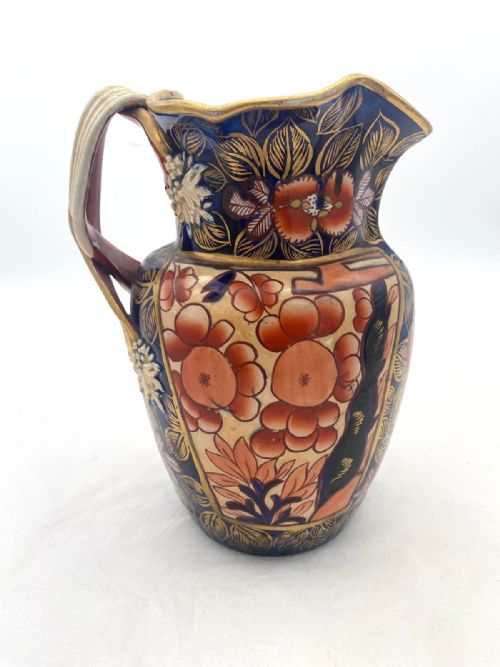
Georgian English pottery encompasses functional vessels and decorative items produced during the eighteenth and nineteenth centuries, ranging from utilitarian kitchenwares to refined dining services. Jugs, tureens, plates, and teapots dominate the selection, often carrying topographical scenes, armorial crests, or patriotic motifs suited to the period. Buyers exploring this category encounter earthenware bodies finished with tin glaze, creamware, pearlware, or ironstone.
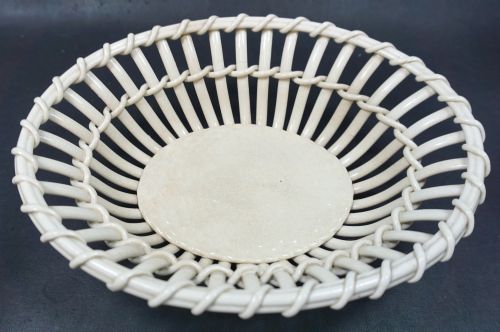
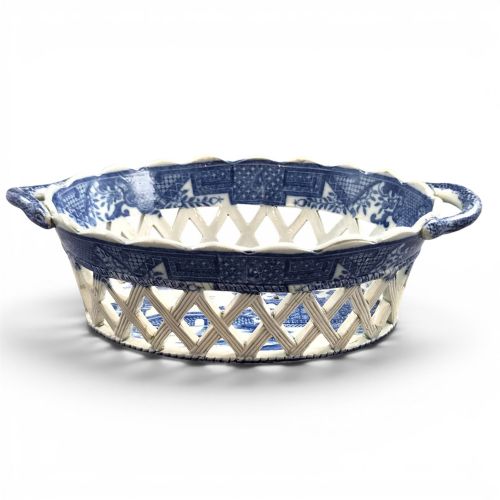
Transfer-printed blue and white plates and platters form a significant portion of what appears on this page, alongside moulded creamware baskets and earthenware figures. Makers utilised specialised shapes like commode-shaped teapots, frog mugs, and chestnut baskets for specific domestic tasks. The aesthetic spans straightforward rustic country wares to intricate neoclassical designs and Chinoiserie patterns.
How They Were Made
Potters shaped clay bodies using local earthenware or refined mixtures, which were then fired before receiving glazes such as tin glaze, transparent lead glaze, or coloured enamel. Transfer printing allowed workshops to apply complex copperplate engravings onto ceramic surfaces prior to a final kiln firing.
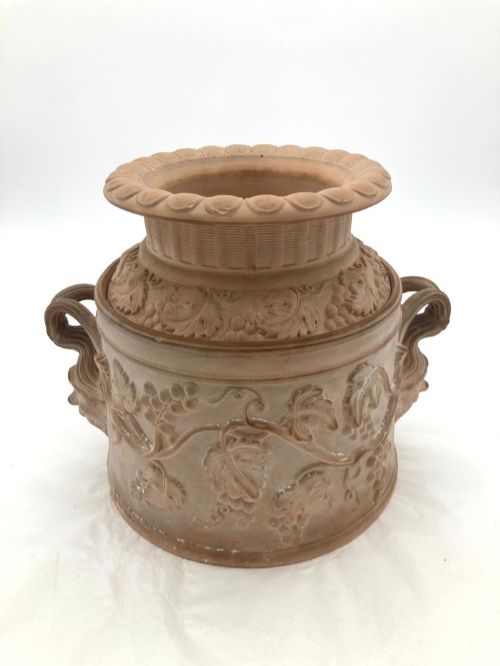
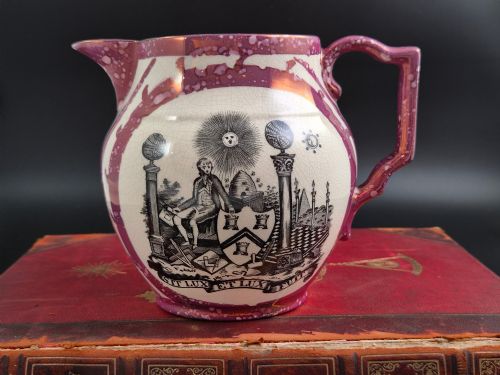
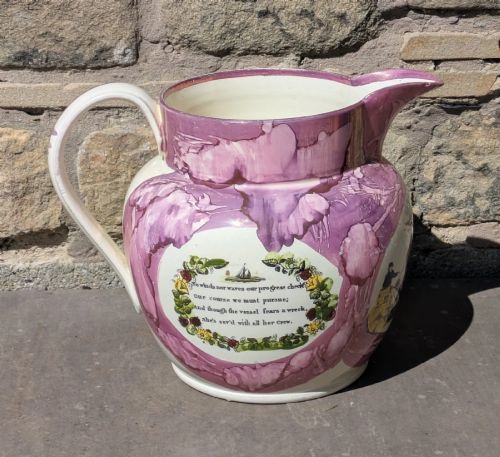
Moulding and casting techniques created raised reliefs, reticulated basketwork, and figural groups like lions, leopards, and human characters. Lustre techniques introduced metallic finishes, such as Sunderland pink splash, by applying thin layers of gold or platinum during secondary firings.
Watch out for the tiny ceramic frog lurking at the bottom of the ale tankard, ready to surprise unsuspecting drinkers.
What Varies in Quality
Execution of transfer printing defines the sharpness of architectural views, foliage, and figures, where blurred lines or uneven ink transfer distinguish standard output from crisper impressions. The delicacy of moulded elements, such as reticulated piercing on chestnut baskets or the modeling of figural groups, separates ambitious studio pieces from basic utilitarian vessels.
Glaze consistency and colour depth contribute to overall visual success, with evenly pooled creamware surfaces or vibrant polychrome enamels showing greater chemical and firing control. Armorial accuracy and documented patterns from named makers reflect the level of workshop patronage and design ambition.
Wedgwood·Spode·Mason's·John Rogers and Son·J. & R. Clews
The Georgian English Pottery Glossary
- Creamware
- A refined earthenware body developed in Staffordshire during the eighteenth century, possessing a warm, pale yellow or cream tone under a lead glaze.
- Pearlware
- An improved earthenware introduced around 1779 with a small amount of cobalt added to the glaze to make the ceramic body appear whiter and closer to Chinese porcelain.
- Transfer print
- A decoration method where an engraved copper plate transfers a design onto paper, which is then pressed onto the unfired or biscuit ceramic body.
- Tin glaze
- An opaque white glaze containing tin oxide, used on delftware to provide a smooth ground for painted blue or polychrome pigments.
- Lustreware
- Earthenware decorated with a metallic film that produces a reflective, iridescent sheen, often applied in pink or copper tones during the nineteenth century.
Georgian English Pottery: Frequently Asked Questions
How do I care for antique earthenware?
Wash pieces by hand in warm water using a mild detergent, avoiding dishwashers and prolonged soaking that can damage old glazes and earthenware bodies.
Store them securely on stable surfaces away from direct sunlight to protect enamel colours and prevent accidental chips to fragile rims.
What is a frog mug?
A frog mug is a drinking vessel featuring a small ceramic frog moulded inside the base, designed to surprise the drinker as the liquid lowered.
These novelty items were popular in alehouses during the Georgian era for drinking games and social entertainment.
How do I distinguish creamware from pearlware?
Creamware displays a distinct buttery, warm cream-coloured hue beneath its transparent glaze, typical of mid-to-late eighteenth-century tablewares.
Pearlware utilises a slightly bluish tint pooled in crevices because of cobalt added to the glaze, creating a whiter appearance intended to mimic porcelain.
Were these pieces used daily or displayed?
Many items, including plates, platters, teapots, and tureens, served practical functions for dining and food preparation in Georgian households.
Decorative figures, armorial services, and lustre jugs were often displayed on mantelpieces or dressers to showcase household status and taste.