


Antique Floral Tankard
An antique floral tankard brings centuries of hand-painted blooms and rich ceramic forms directly to your table.
Antique Floral Tankard
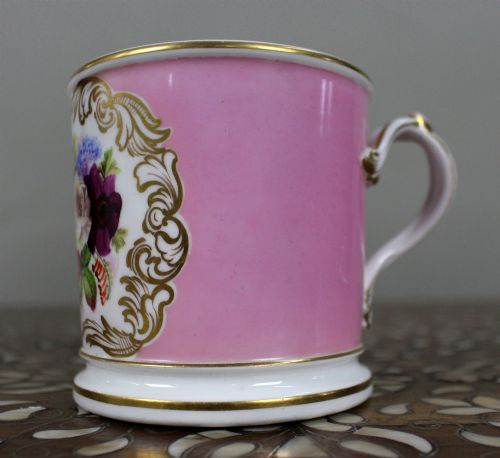
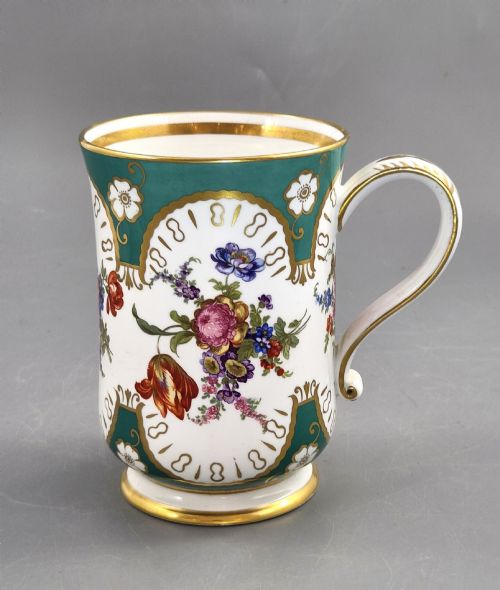
An antique floral tankard is a drinking vessel adorned with botanical motifs, spanning periods from the eighteenth century to the Victorian era. When searching for an antique floral tankard, buyers encounter pieces fashioned in porcelain, ironstone, earthenware, and sterling silver.
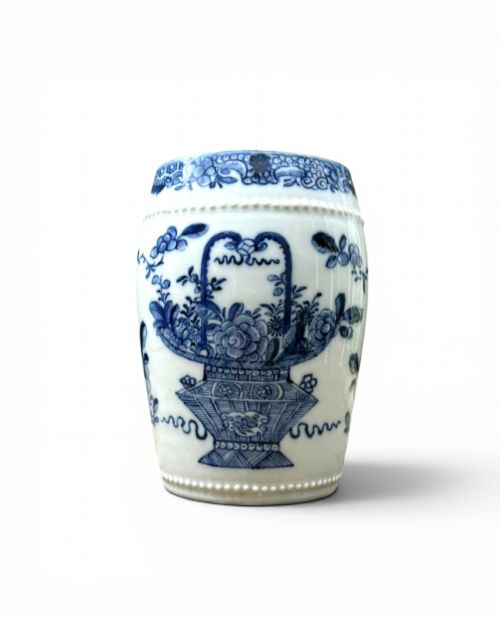
The selections on this page range from Georgian creamware and Qianlong Chinese export porcelain to Victorian Gaudy Welsh pottery and Art Nouveau silver. These vessels appear in various forms, including cabinet cups, christening mugs, and lidded cloisonné enamel vessels.
The most common examples on this page date from the mid-nineteenth century, reflecting Victorian and Georgian manufacturing traditions. Makers utilised diverse regional styles, encompassing French Rococo revival designs, Chinese export work, and Japanese Edo period pieces.
How they were made
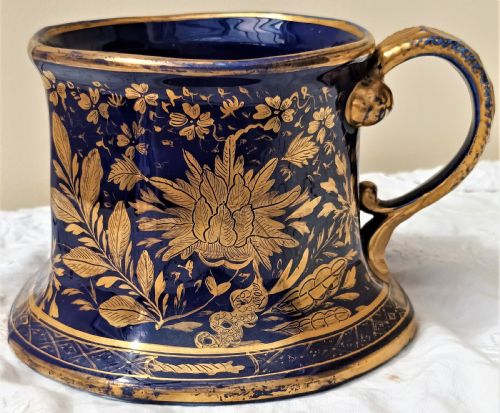
Potters and metalsmiths shaped these vessels using traditional methods appropriate to porcelain, ironstone, earthenware, and sterling silver. Artisans applied glazes, gold leaf, and gilt accents to ceramic bodies, while silversmiths relied on hand engraving and hallmarking.
Decoration relied heavily on hand-painted floral patterns, polychrome enamels, and specialised grounds such as the Rose Pompadour and Sèvres style green. Cloisonné enamel pieces required intricate wirework cells filled with coloured pastes before firing.
Materials represented include porcelain, ironstone, creamware, earthenware, sterling silver, and cloisonné enamel.
What varies in quality
Quality in an antique floral tankard rests on the precision of the hand-painting and the clarity of the botanical motifs. Pieces featuring intricate polychrome enamels, carefully applied gold leaf, or well-preserved gilt grounds demonstrate superior craftsmanship.
The choice of material and the reputation of the origin further separate standard utility pieces from exceptional cabinet items. Refined porcelain bodies and crisp silver hallmarks indicate higher standards of production compared to simpler earthenware items.
Grainger Worcester·Mason's·Lowestoft
The Antique Floral Tankard Glossary
- Ironstone
- A patented heavy earthenware developed in the nineteenth century that mimics porcelain's durability. It provides a sturdy white body well-suited for colourful floral transfers and hand-painted enamels.
- Cloisonné
- A metalwork technique where thin flat wires are soldered to a base to form compartments, which are then filled with enamel paste. Japanese examples from the late Edo period utilise this method for detailed floral designs.
- Creamware
- A fine light-coloured earthenware perfected in eighteenth-century England with a yellowish lead glaze. Georgian makers frequently utilised this body for hand-painted botanical vessels.
- Gilt
- A thin layer of gold applied to the surface of porcelain, silver, or pottery for decorative enrichment. It enhances the visual appeal of floral motifs and borders on cabinet cups.
Antique Floral Tankard: Frequently Asked Questions
How were these tankards used?
Many of these vessels served practical functions for drinking ale, beer, or cider during meals and social gatherings. Others, such as christening mugs and cabinet cups, functioned primarily as commemorative items or decorative display pieces.
Silver and porcelain examples often belonged to well-to-do households, while sturdy ironstone and earthenware versions saw more everyday use.
How do I date an antique floral tankard?
Dating relies on identifying the material, stylistic markers, and any maker marks or hallmarks present on the piece. Eighteenth-century examples often feature specific export porcelain bodies, while Victorian pieces display distinct nineteenth-century revival styles.
Silver tankards typically carry official town and date hallmarks that narrow down their year of production precisely.
How do I display an antique tankard?
These vessels suit enclosed shelving, cabinets, or dedicated display spaces where their floral details remain visible. Keeping them away from direct sunlight protects hand-painted enamels and gilt highlights from fading.
Because materials range from delicate porcelain to robust silver, placement should ensure stability and prevent accidental knocks.