
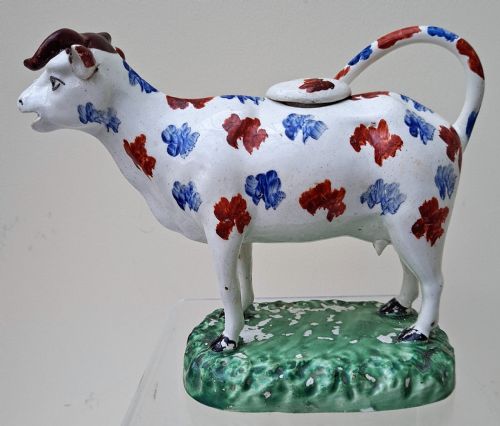


Antique Folk Art Jug
These antique folk art jugs offer honest craft and vernacular charm, drawing collectors who value local tradition over formal polish.
Antique Folk Art Jug
When you search for an antique folk art jug, you encounter practical vessels made by regional potters and metalworkers rather than grand urban factories. The examples found here span several centuries and regions, encompassing diverse domestic forms.
The most prevalent formats on this page include earthenware pitchers, slipware tavern vessels, creamers, and milk churns. These objects served utilitarian roles in dairies, homes, and taverns before becoming collector pieces.
Origins stretch from English and Welsh country workshops to Dutch and Mediterranean makers. Each piece bears the distinct stylistic markers of its local folk tradition, ranging from slip-decorated earthenware to painted pottery.
Materials and construction methods
Makers relied on local clays, shaping pitchers and creamers on the potter's wheel or utilising simple moulds. Earthenware, pearlware, and terracotta formed the physical body of these utilitarian vessels.
Surfaces received lead glazes, ceramic glazes, or fluid slip decoration trailed by hand. Metal pieces in this category combine brass and copper elements formed through beating and soldering.
Listings on this site range from seventeenth-century Dutch slipware jars to nineteenth-century Staffordshire pearlware and Welsh earthenware.
Assessing quality in folk art vessels
Quality rests in the confidence of the maker's hand and the richness of the glaze. A successful piece shows expressive brushwork, fluid slip trailing, or clean metal construction that transcends basic utility.
Wear tells part of the story, as heavy domestic use often softens sharp edges and builds rich surface patination. The most desirable vessels retain their original character without losing the structural integrity needed to survive centuries.
The Antique Folk Art Jug Glossary
- Slipware
- Pottery decorated with slip, which is liquid clay thinned to the consistency of cream. Potters trail or brush this mixture onto a contrasting clay body before firing.
- Pearlware
- A refined earthenware developed in Staffordshire featuring a pale blueish glaze pooling in recesses. It bridged the gap between creamware and later white earthenwares.
- Tavern jug
- A sturdy earthenware vessel designed for heavy daily use in public houses. These pieces often feature generous handles and durable lead glazes.
- Cow creamer
- A hollow ceramic figure of a cow shaped into a small cream jug. Milk is typically poured through an opening on the back.
- Bargeware
- Highly decorated tin-glazed or earthenware items associated with canal boat folk art. They often feature bright painted details and applied motifs.
Antique Folk Art Jug: Frequently Asked Questions
How were these jugs originally used?
Most of these vessels served practical roles in domestic kitchens, dairies, and taverns. They held liquids like milk, beer, or cream for daily consumption.
Over time, many transitioned from working pantry items to decorative mantel ornaments as industrial manufacturing changed household routines.
What is slipware?
Slipware is pottery decorated by applying liquid clay, known as slip, onto the surface of an unfired or leather-hard clay body. Potters trailed, combed, or brushed the mixture to create distinctive patterns.
This technique dates back centuries and remains one of the most recognizable traits of early vernacular pottery.
How do I care for an antique earthenware jug?
Display your vessel away from direct sunlight and sudden temperature shifts to protect fragile historic glazes. Handle it with clean hands, supporting the base rather than relying solely on the handle.
Dust the surface gently with a dry cloth and avoid washing porous historic earthenware in water.
How can I tell a 17th-century jug from a 19th-century one?
Earlier pieces from the seventeenth century often show heavier earthen bodies, deeper lead glazes, and simpler, hand-formed profiles associated with early slipware traditions. Nineteenth-century examples frequently display more refined glazes, moulded details, and brighter painted palettes.
Examining the foot ring, base wear, and glaze composition helps clarify the manufacturing period.