


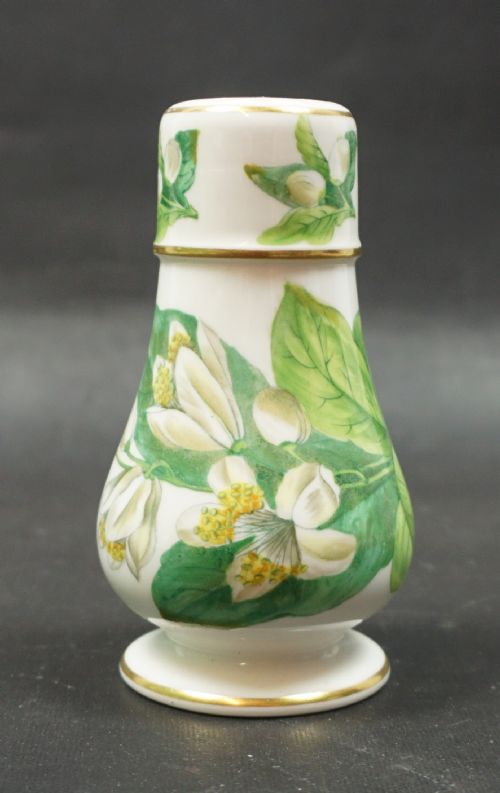


Regency Pearlware Pottery
Regency pearlware pottery brings refined British earthenware into your home through expressive figures, transfer-printed tableware, and delicate tea sets.
Regency Pearlware Pottery
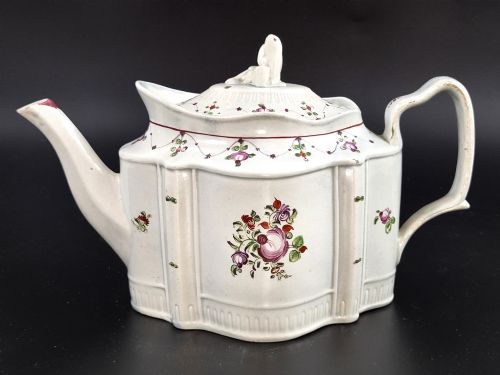
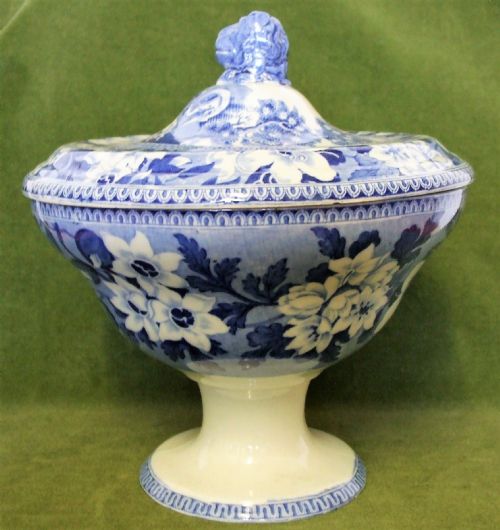
When you search for regency pearlware pottery, you encounter a diverse range of 19th-century ceramic items spanning decorative plates, figures, teapots, and tureens. The pieces originate from Georgian and Regency periods, reflecting the domestic tastes and decorative arts of early British households.
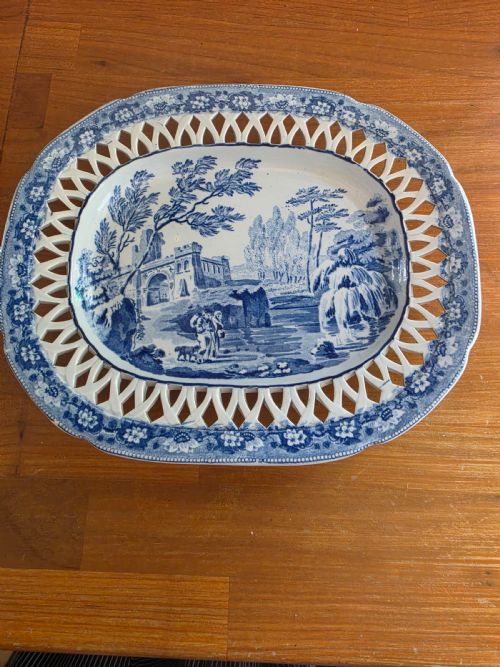
You are most likely to meet blue and white transfer-printed tableware, such as platters and plates bearing scenic patterns, alongside earthenware figures depicting animals, lions, leopards, and biblical scenes. These ceramic objects combine functional utility with distinct sculptural forms typical of the era.
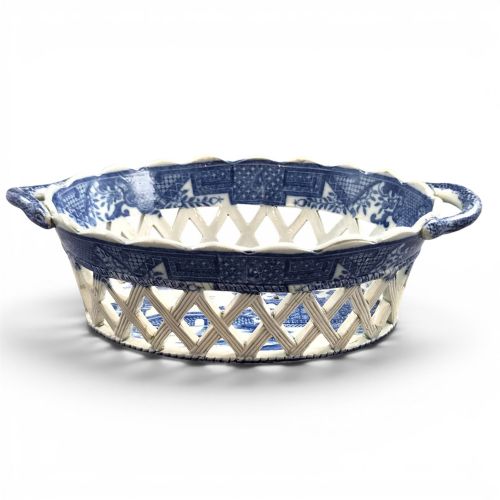
The selection includes specialised items like frog mugs, pounce pots, chestnut baskets, and spill vases, demonstrating the versatility of the material. Makers and workshops utilised earthenware bodies covered in characteristic pearlware glaze to achieve a refined, slightly bluish surface tone.
How they were made
Potters shaped these objects from earthenware bodies, applying a pale pearlware glaze that pooled subtly in recesses to create a characteristic bluish tint. Artisans decorated the surfaces using underglaze blue transfer printing or hand-painted enamels, sometimes incorporating gold leaf highlights for added distinction.
Moulded construction defined much of the figural output, allowing workshops to produce intricate animal groups, architectural spill vases, and sculptural figures with consistent detail. Platters, plates, and teapots relied on a combination of thrown forms, moulded elements, and hand-applied handles or finials.
A frog lurks at the bottom of certain mugs, designed to leap out at the drinker as the tea disappears.
What varies in quality
The distinction between tiers of this pottery rests on the clarity of the transfer printing and the precision of the hand-painted enamels. Finer examples display crisp outlines, deep cobalt tones without excessive blurring, and carefully painted details that enhance the underlying ceramic form.
Davenport·Spode·John Rogers and Son·Sewell·Enoch Wood factory·Thomas Harley
The Regency Pearlware Pottery Glossary
- Pearlware
- A refined type of earthenware developed in the late 18th century featuring a thin glaze with a slight bluish tinge. This glaze was formulated to mimic the whiteness of Chinese porcelain.
- Transfer printing
- A decoration technique where an engraved copper plate transfers a design onto tissue paper, which is then pressed onto the ceramic body before firing. It allowed for intricate, repeatable patterns like blue and white landscapes.
- Prattware
- An early type of English earthenware decorated with specific underglaze metal oxide colours, typically blue, ochre, brown, and green. Pieces often include moulded relief decoration.
- Retesed or reticulated
- Openwork decoration formed by cutting or piercing patterns through the clay before firing, commonly seen on chestnut baskets and fruit dishes. It required considerable skill to prevent warping in the kiln.
- Frog mug
- A drinking vessel featuring a small ceramic frog moulded on the inside bottom, designed to surprise the drinker as the liquid lowered. They often commemorated specific measures or local events.
Regency Pearlware Pottery: Frequently Asked Questions
What is pearlware?
Pearlware is a refined British earthenware developed to bridge the gap between heavy creamware and expensive Chinese porcelain. Its defining feature is a lead glaze containing a small amount of cobalt, which settled in crevices to produce a faint bluish hue.
Potters utilised this smooth surface for both delicate hand-painted botanical motifs and intricate blue and white transfer-printed scenes throughout the Georgian and Regency periods.
How do I care for antique pottery?
Keep these fragile earthenware pieces out of direct sunlight and away from rapid temperature fluctuations to protect the ancient glaze and body. Display them on stable surfaces where they will not be bumped or subjected to vibrations.
Wash them only by hand in lukewarm water with mild soap when strictly necessary, avoiding dishwashers and harsh scrubbers that can damage enamel or gold leaf details.
Were these items used daily?
Many objects on this page, such as plates, platters, teapots, and tea bowls, served practical functions in early 19th-century dining and tea service. Families used them for everyday meals as well as formal entertaining, relying on durable earthenware for domestic tasks.
Other items like chestnut baskets, figures, and spill vases fulfilled purely decorative or specialised roles on mantelpieces, sideboards, and drawing-room tables.
How are periods identified?
Dating relies on stylistic markers, manufacturing techniques, ceramic bodies, and recorded patterns associated with specific pottery factories. Shape profiles, such as the commode-shaped teapots or octagonal forms, often point to specific decades within the Georgian and Regency eras.
References to known makers or historical events depicted on the pottery, like specific battles or monuments, provide reliable chronological anchors for historians and collectors.