




Antique Porcelain Beakers
These antique porcelain beakers range from Georgian cabinet cups to Japanese blue and white trumpet forms, offering tactile historical craft.
Antique Porcelain Beakers
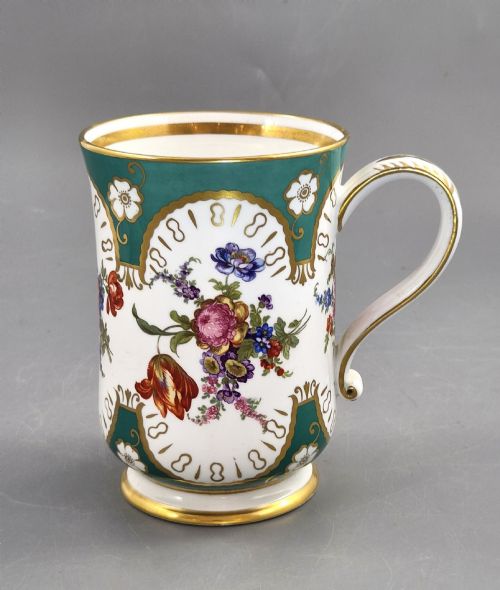
When you search for antique porcelain beakers, you encounter drinking vessels, cabinet cups, and vase-form beakers originating from European factories and Asian kilns. The selection spans centuries of ceramic history, from seventeenth-century Japanese Arita pieces to nineteenth-century English and continental porcelain.
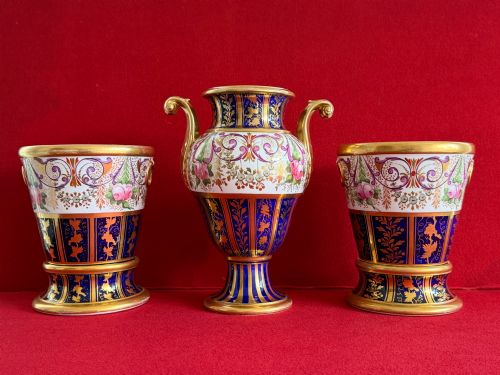
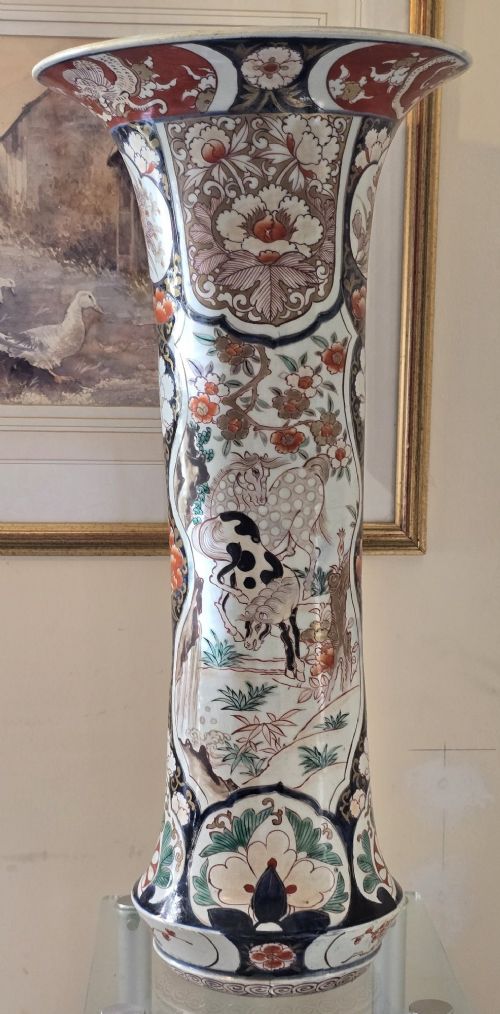
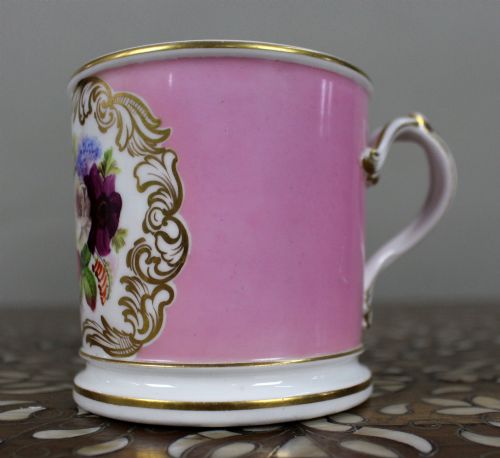
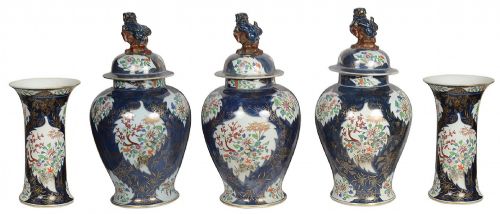
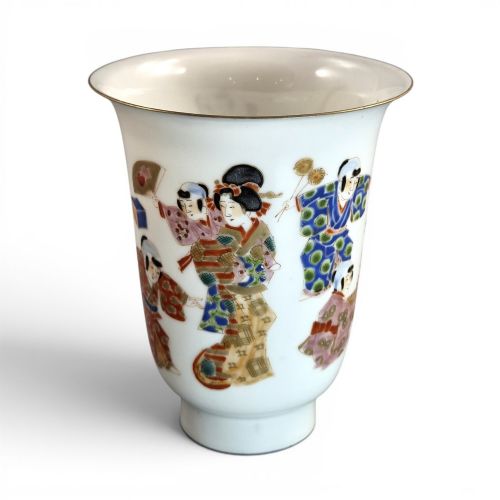
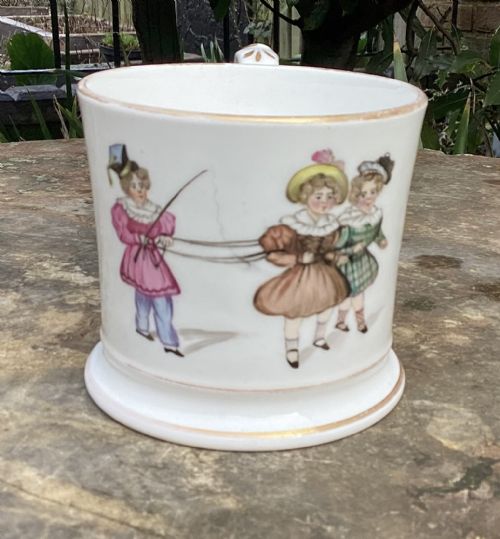
The forms on this page include cylindrical mugs, tapering lemonade beakers, and trumpet-shaped beaker vases. European examples often reflect Regency, Victorian, and Neoclassical tastes, while pieces from Japan demonstrate Edo and Meiji period aesthetics.
How they were made
Potters utilised hard-paste porcelain and earthenware bodies, shaping them on wheels or moulding them into specific vessel geometries. Kiln firing fixed the ceramic body before artisans applied intricate underglaze blue, enamel colours, and gold leaf details.
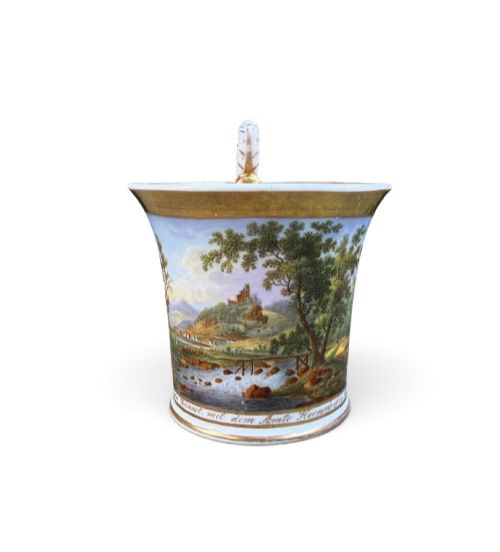
Many items incorporate additional decorative techniques such as cobalt painting, gilt moriage relief, and hand-painted topographical or allegorical scenes. Subsequent firings bonded these surface pigments and gilding to the porcelain glaze.
Antique Porcelain Beakers Retail Price Guide 2026
Typical asking prices for porcelain beakers among the pieces listed under this phrase on Sellingantiques today, from the lower quarter to the upper quarter. They describe what is for sale here now, not the wider market.
Listings feature hard-paste porcelain and earthenware bodies decorated with enamel, gold leaf, and cobalt blue across multiple centuries.
What varies in quality
The standard of an antique porcelain beaker rests upon the crispness of its moulding and the precision of its hand-painted decoration. Superior pieces display finely detailed brushwork, stable gilding, and balanced proportions without distortion from the kiln.
Origin and factory reputation also distinguish the pieces, with established European manufactories and documented Japanese periods commanding particular attention. The complexity of the palette, whether simple underglaze blue or rich polychrome enamels with gold leaf, defines the execution.
Grainger Worcester·Derby Porcelain·Doulton Burslem·Royal Vienna
The Antique Porcelain Beakers Glossary
- Hard-Paste Porcelain
- A dense, vitrified ceramic composed of kaolin and petuntse fired at high temperatures. This material creates a durable, translucent body common in European and Asian production.
- Gilt
- A thin layer of gold applied to the surface of the porcelain for decoration. It often appears as intricate borders or highlighted motifs.
- Enamel
- Opaque glass-like pigments fused to the porcelain surface during a secondary low-temperature firing. This technique allows for vibrant polychrome designs.
- Moriage
- A decorative technique where slip is piped onto the ceramic surface to create raised, textured patterns before glazing and firing. It is frequently seen on Japanese wares.
- Gu
- A traditional Chinese beaker-form vessel characterised by a flared mouth, a constricted central section, and a wide base. Later European and Asian makers adapted this ancient silhouette.
Antique Porcelain Beakers: Frequently Asked Questions
How were porcelain beakers used historically?
These vessels served various functions ranging from practical drinking mugs for porter and lemonade to purely decorative cabinet cups displayed in drawing rooms. Taller beaker-form vases were utilised for floral arrangements or as mantelpiece ornaments.
Over time, many fine porcelain beakers transitioned from functional dining items to collected cabinet pieces, prized for their artistic painted scenes and delicate manufacture.
How do I identify a Regency period beaker?
Regency pieces often exhibit Neoclassical influences, featuring clean classical shapes, painted topographical scenes, or refined gilt decoration. Dates typically span the late eighteenth century through the early decades of the nineteenth century.
Factory characteristics and specific paste compositions from English makers like Derby help confirm this chronological attribution alongside stylistic cues.
What is the difference between European and Japanese beakers?
European beakers from this selection frequently showcase factory marks, allegorical paintings, and revival styles such as French Rococo or Neoclassical. Their forms align with Western dining and display customs.
Japanese beakers, including Arita and Satsuma wares, emphasise distinct decorative traditions like cobalt blue painting, eggshell porcelain bodies, and textured moriage work rooted in Edo and Meiji aesthetics.
How should I display antique porcelain beakers?
Display these vessels in stable environments away from direct sunlight and high traffic areas to protect their delicate enamel and gold leaf surfaces. Enclosed cabinets provide the best protection against dust and accidental knocks.
Ensure that shelving is level and secure, particularly for taller trumpet-shaped beaker vases and handleless cabinet cups that require steady placement.