
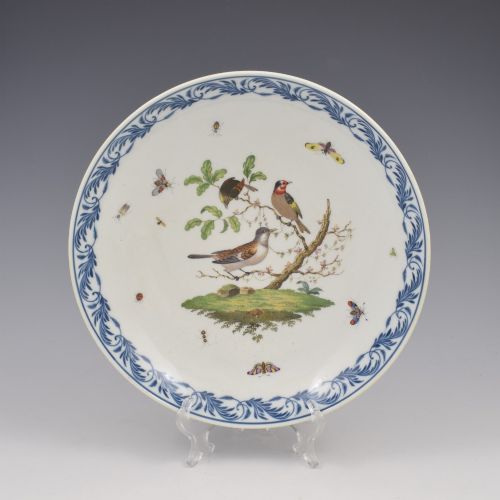


Bird Painted Porcelain
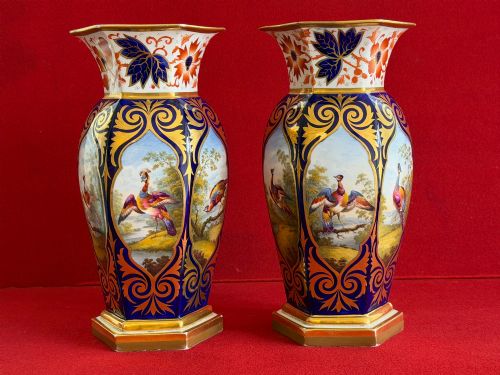
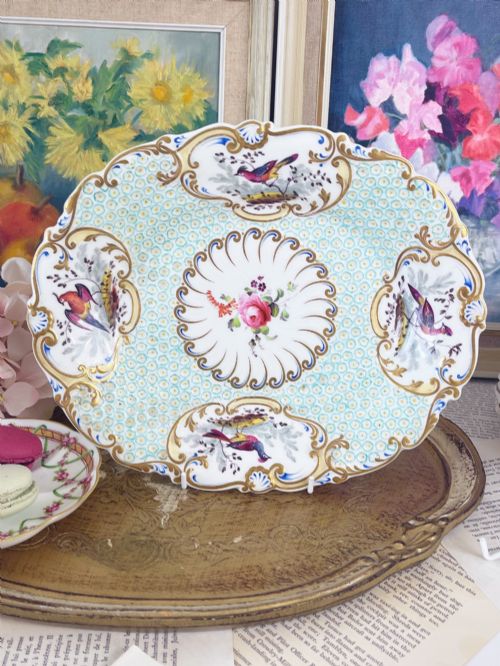
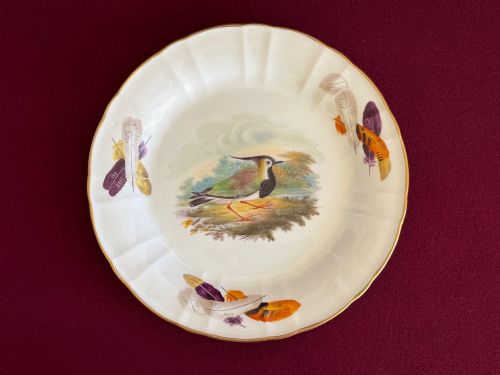
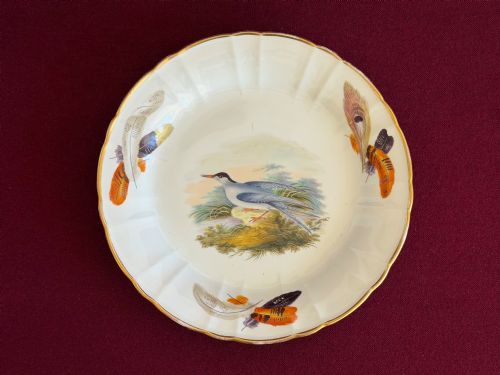
Bird painted porcelain brings together centuries of meticulous ceramic painting, capturing vibrant avian subjects across plates, vases, and figures.

Bird Painted Porcelain
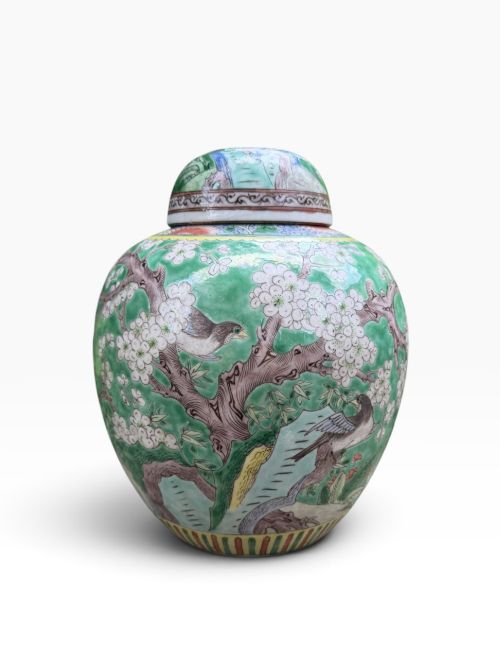
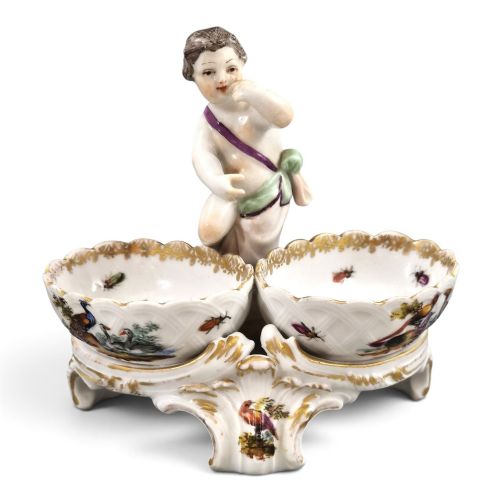
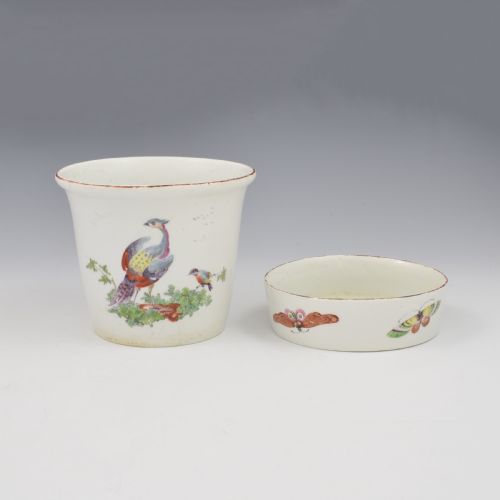
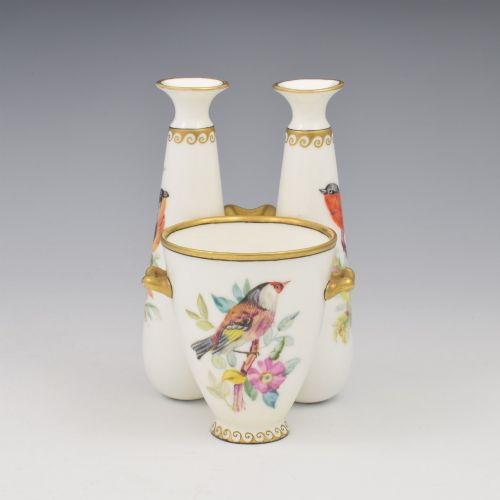
Bird painted porcelain encompasses a diverse range of decorative ceramic items decorated with avian motifs, from delicate cabinet plates to large jardinieres and figures. Buyers searching for bird painted porcelain encounter traditional English works from Worcester and Coalport alongside continental masterpieces from Meissen and Dresden.
The selection includes functional and display vessels such as tea cups, soup tureens, and chargers, each integrating naturalistic or exotic bird imagery. Pieces span multiple production periods, heavily representing nineteenth-century manufacturing alongside eighteenth-century items and later Japanese Meiji wares.
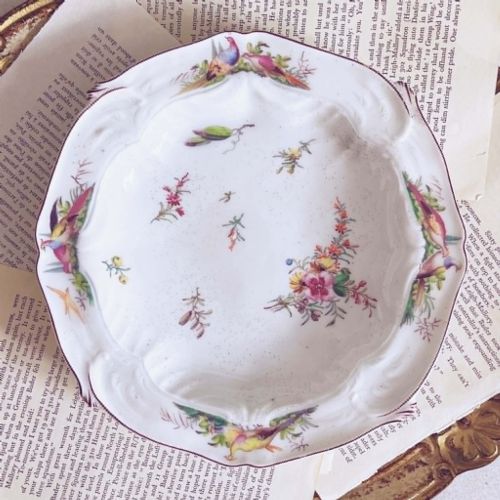
Domestic English factories frequently applied botanical and ornithological accuracy to plates and dishes, while continental and Asian counterparts produced elaborately glazed parrots, jars, and vases. This category bridges fine art and functional pottery, appealing to collectors of both natural history illustration and historical ceramics.
Materials and construction
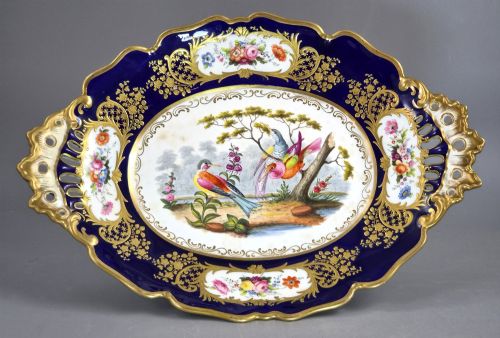
Makers utilised hard-paste porcelain, soft-paste porcelain, and bone china as the primary ceramic bodies, shaping them into thrown vessels, cast figures, or moulded dishes. Glazes provided a smooth, vitreous surface necessary for fine brushwork, frequently enhanced by cobalt blue underglaze or coloured enamel grounds.
Painters applied mineral-based enamel colours by hand before subjecting the pieces to kiln firings that fused the pigments into the glaze. Gilding with gold leaf and gilt accents often completed the decoration, highlighting rims, handles, and borders.
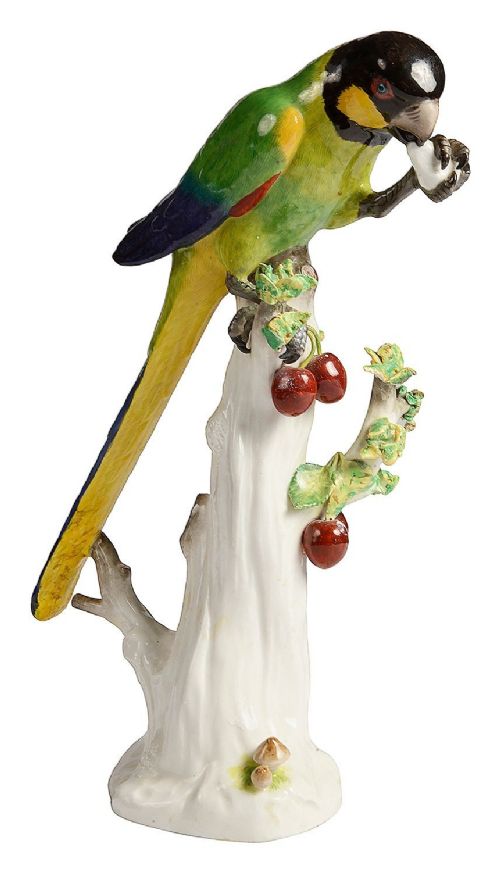
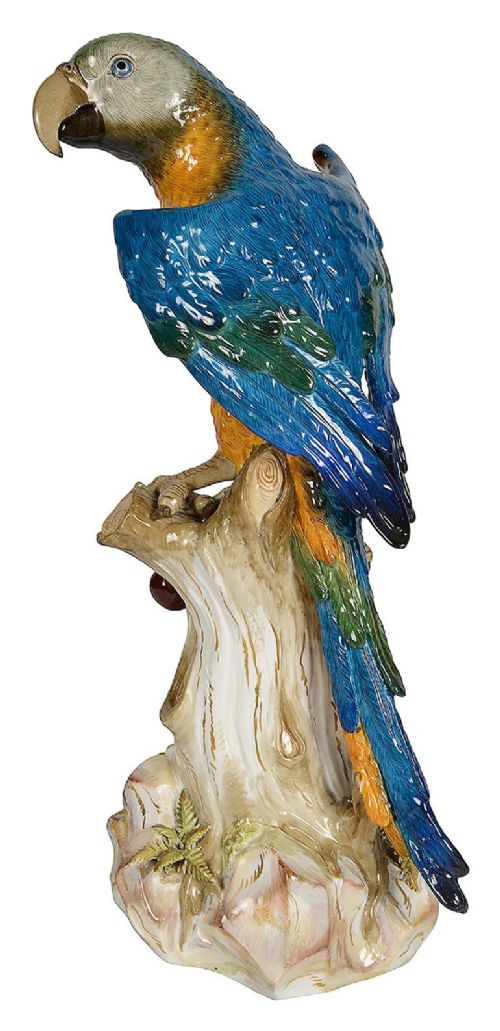
Parrots feature prominently among the ceramic birds, often sitting smugly on tree trunks as though they own the mantelpiece.
Evaluating quality and execution
Quality rests significantly upon the skill of the hand-painted brushwork, distinguishing stiff or generic rendering from detailed ornithological precision and lifelike posture. Finer examples display subtle tonal gradations in plumage, expert feather detailing, and a harmonious relationship between the bird and its botanical background.
The sophistication of the ceramic body and the crispness of moulded elements also dictate value, with sharper relief work and smoother glaze surfaces indicating superior manufacture. Additionally, the prominence of the decorating artist or the prestige of the factory, such as designated Worcester painters or Meissen modelers, elevates the standing of a piece.
Flight Barr And Barr·H And R Daniel·Meissen·Coalport·Chelsea·KPM Berlin·Royal Worcester·Minton·Dresden·Chamberlains Worcester
The Bird Painted Porcelain Glossary
- Enamel
- Opaque glass-based pigment applied over the fired glaze and fixed in a muffle kiln. This technique allows for a wide palette of vibrant colours on bird painted porcelain.
- Gilding
- The application of gold leaf or powdered gold to ceramic surfaces for decorative emphasis. It often highlights the borders and rims of plates and vases.
- Soft-Paste Porcelain
- An artificial porcelain composition fired at lower temperatures than hard-paste porcelain. It produces a warm, creamy body common in eighteenth-century English wares.
- Underglaze
- Pigment applied to the ceramic body before the application of the glaze and final high-temperature firing. Cobalt blue is the most frequent colour utilised in this manner.
- Reticulated
- Pierced or openwork patterning formed in the wet clay before firing. This technique creates intricate lattice borders on decorative plates and bowls.
Bird Painted Porcelain: Frequently Asked Questions
How do I identify bird painted porcelain?
Examination of the surface reveals hand-applied enamel painting depicting avian subjects rather than printed transfers. Factory marks on the underside often confirm the origin and period.
Finer specimens display intricate feather detail and naturalistic colouring that set them apart from standard decorative ceramics.
Were these pieces used for dining?
Many items, including service dishes, soup tureens, and plates, served functional roles in wealthy households during the eighteenth and nineteenth centuries.
Others, such as cabinet plates and decorative vases, were intended solely for display in drawing rooms and parlours.
How should I display antique porcelain?
Sturdy shelving away from direct sunlight protects the enamel colours and gilding from fading over time. Secure placement prevents accidental tipping, especially for top-heavy vases and figures.
Using proper plate hangers or dedicated display stands safeguards the edges from unnecessary friction.
What is the difference between English and continental porcelain?
English factories like Worcester and Coalport frequently utilised bone china and soft-paste bodies with refined botanical and ornithological painting styles. Continental makers such as Meissen often produced harder porcelain bodies alongside sculptural figures and vibrant polychrome enamels.
Japanese Meiji exports brought distinct aesthetic traditions involving intricate gilding and rich Satsuma or Imari palettes.