



Hand Painted Bird China
Hand painted bird china brings together centuries of fine ceramics and natural history, offering charming avian subjects for display.

Hand Painted Bird China
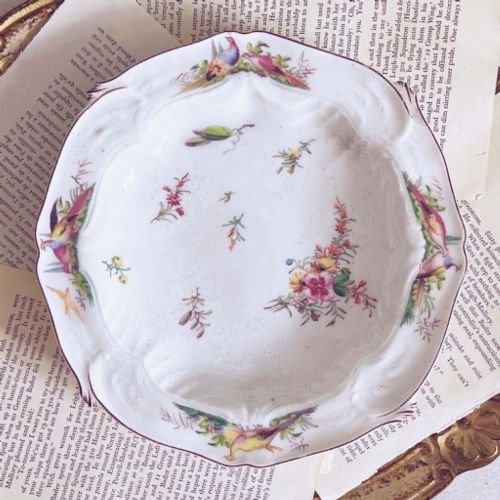
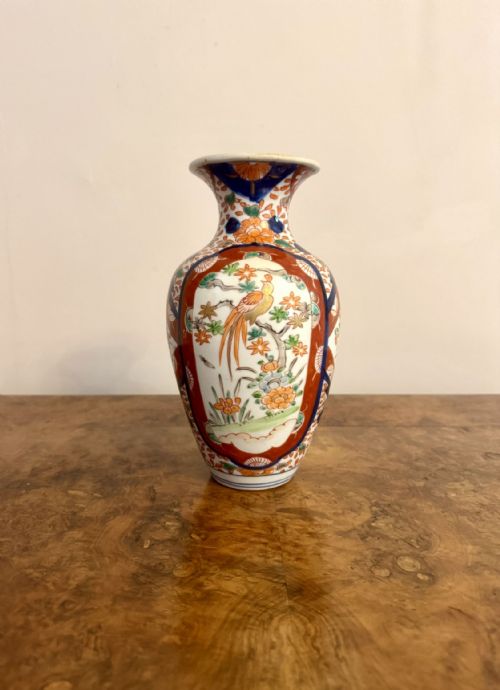
Hand painted bird china comprises plates, dishes, cups, saucers, and vases decorated with avian subjects across multiple periods. Buyers look for cabinet plates, dessert dishes, and tea wares that display detailed plumage and naturalistic poses.
The selection ranges from eighteenth-century soft-paste porcelain to twentieth-century bone china and stone china. Regency and Victorian examples sit alongside Georgian pieces and later Edwardian productions.
English factories such as Worcester, Chelsea, and Royal Worcester dominate the offerings, alongside continental manufactories like Meissen and Asian export wares. These pieces serve primarily as decorative items for display cabinets or walls.
How hand painted bird china was made
Potters shaped these objects using hard-paste porcelain, soft-paste porcelain, bone china, or stone china as the ceramic base. Artisans then applied enamel colours by hand to render feathers, foliage, and landscapes.
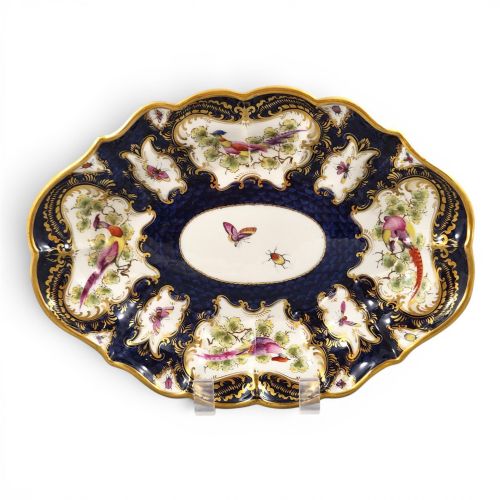
Many items incorporate gold leaf, gilding, or gilt accents to frame the central painted bird motifs. Wet blue grounds and moulded relief details frequently complement the painted enamel decoration.
Hand Painted Bird China Retail Price Guide 2026
Typical asking prices for hand painted bird china among the pieces listed under this phrase on Sellingantiques today, from the lower quarter to the upper quarter. They describe what is for sale here now, not the wider market.
Listings feature porcelain, bone china, and stone china decorated with enamel and gold leaf across the Georgian, Regency, and Edwardian periods.
What varies in quality
The precision and detail of the hand painting set the finest examples apart from standard production. Artisans who rendered individual feathers and realistic avian anatomy created more desirable pieces than those using formulaic decoration.
The choice of ceramic body and the preservation of the enamel colours and gilding influence the overall standing of an object. Named artists and documented factory patterns add distinction to individual pieces.
H & R Daniel·Wedgwood·Chelsea·Royal Worcester·Chamberlain Worcester·Grainger & Co·Royal Crown Derby·Meissen·Davenport
The Hand Painted Bird China Glossary
- Soft-paste porcelain
- An artificial porcelain composition fired at lower temperatures than hard-paste, common in eighteenth-century English manufactories. It possesses a warm tone under the glaze.
- Enamel
- Opaque glass used as a pigment for painting on ceramics before a secondary firing. It allows for vibrant polychrome bird plumage.
- Gilding
- The application of gold leaf or gold paint to ceramic surfaces. It highlights rims, handles, and borders.
- Cabinet plate
- A decorative plate intended for display in a cabinet rather than for dining use. These often feature elaborate painted bird scenes.
- Wet blue
- A rich underglaze blue ground colour applied to porcelain, often used on eighteenth-century Worcester pieces to frame painted reserves.
Hand Painted Bird China: Frequently Asked Questions
How do I clean hand painted bird china?
Wash these pieces gently by hand using lukewarm water and mild soap, avoiding harsh scrubbing or dishwashers.
Dry them immediately with a soft cloth to protect the delicate enamel paints and gold gilding from moisture damage.
Can I use these plates for serving food?
Most antique cabinet plates and decorative dishes are best reserved for display rather than daily dining.
Utensils and frequent washing can wear down the hand-painted enamels and historic ceramic bodies over time.
How do I identify the maker?
Check the underside of the base for painted marks, impressed stamps, or pattern numbers left by the factory.
Many nineteenth and twentieth-century makers utilised specific ciphers or printed crests that date the piece.
What periods are common for bird china?
The pieces span from the mid-eighteenth century through the Regency and Victorian eras into the early twentieth century.
Georgian and Regency examples often feature soft-paste porcelain, while later Victorian and Edwardian items utilise bone china.